

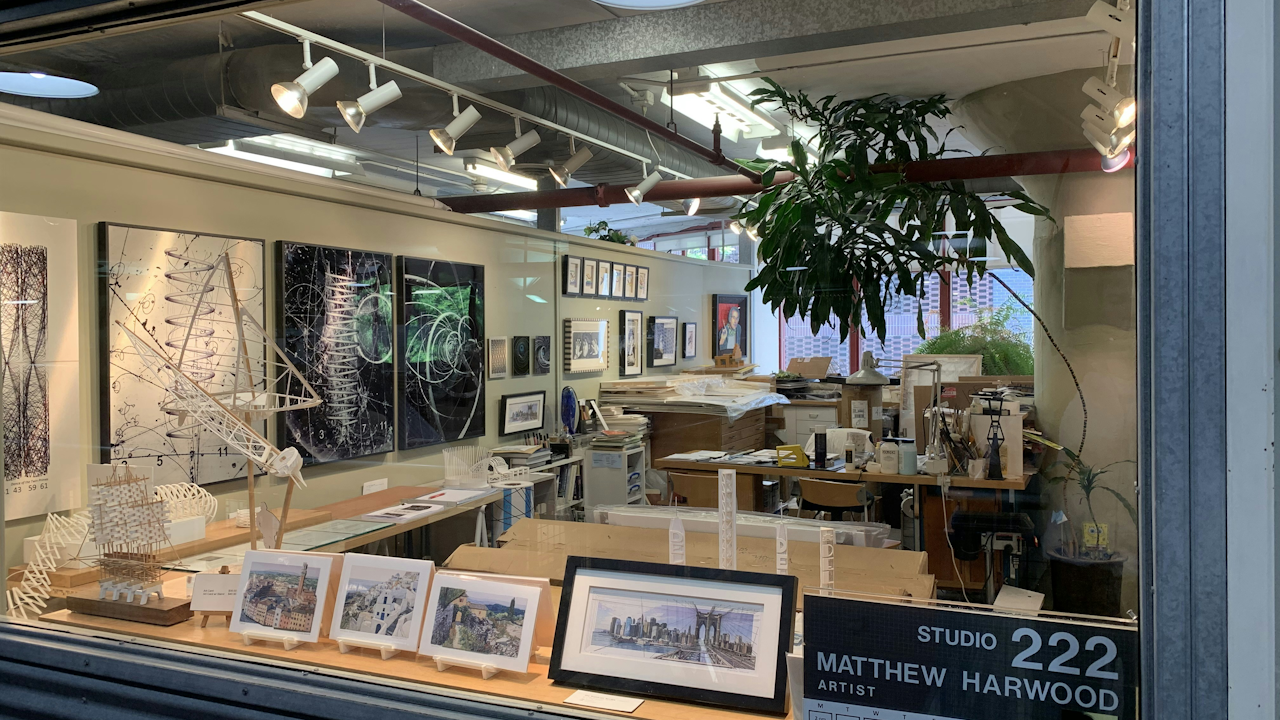
Building your first art portfolio marks a significant step in any artist’s journey. Whether you aim to apply to art school, seek freelance commissions, exhibit in galleries, or simply showcase your work professionally, a well-crafted portfolio serves as your visual resume. It communicates your skills, style, creative process, and potential to viewers who may never meet you in person. Unlike a single piece of art, a portfolio tells a cohesive story about who you are as an artist. This guide walks you through the process step by step, offering practical advice for beginners who want to create something polished and effective.
Understanding the Purpose of an Art Portfolio
An art portfolio is a curated collection of your best work that demonstrates your technical abilities, conceptual thinking, and artistic evolution. It is not simply a dump of every drawing or painting you have ever made. Instead, it functions as a deliberate selection that highlights your strengths and aligns with your goals.
For students applying to programs, portfolios often need to show foundational skills like observational drawing alongside more personal projects. For freelancers or professional artists, the focus might shift toward client-ready pieces in specific styles or mediums. Galleries and agents look for consistency, originality, and market appeal. Knowing your target audience shapes every decision from content selection to presentation format.
Start by asking yourself key questions. What do I want this portfolio to achieve? Am I targeting fine art opportunities, illustration work, graphic design, or something else? Who will review it, and what expectations might they have? Answering these helps avoid the common pitfall of creating a generic collection that fails to impress.
Gathering and Selecting Your Artwork
Begin by reviewing all the art you have created over the past few years. Lay everything out physically or digitally so you can see it at once. This exercise reveals patterns in your strengths and weaknesses.
Prioritize quality over quantity. Most first portfolios work well with 10 to 20 pieces. Select works that demonstrate range without appearing scattered. Include pieces that show technical proficiency in drawing, color theory, composition, and problem-solving. If you work in multiple mediums, choose examples that complement each other rather than compete.
Look for variety within unity. For example, a portfolio heavy in digital illustration might include character designs, environmental scenes, and finished client-style pieces to show versatility. Traditional artists could mix still lifes, figure studies, and personal narrative works.
Remove anything that feels unfinished, technically flawed, or stylistically inconsistent unless you have a compelling reason to keep it. Be ruthless in editing. If a piece makes you hesitate, it probably does not belong. Seek feedback from trusted mentors, teachers, or fellow artists during this stage. Fresh eyes often spot issues you miss after staring at your work for too long.
Consider including process work if relevant. Some opportunities value seeing sketches, thumbnails, or iterations that reveal how you develop ideas. However, only add these if they strengthen the overall narrative rather than dilute the impact of finished pieces.
Organizing Your Portfolio Logically
Structure matters as much as content. Viewers typically spend limited time reviewing portfolios, so make navigation intuitive and engaging.
A strong portfolio often follows a narrative arc. Start with your strongest or most representative piece to grab attention immediately. Follow with works that build on that impression, showing progression or depth. End with another powerful piece that leaves a lasting impression.
Group similar works together. Place all figure drawings in one section and landscape studies in another, or organize chronologically to show growth. Thematic organization works well for conceptual artists who explore specific ideas across multiple pieces.
Create a clear table of contents or index for digital versions. Number your pieces and provide brief titles or descriptions. For physical portfolios, use consistent labeling and high-quality prints or originals mounted cleanly.
Pay attention to flow. Ensure each piece transitions smoothly to the next. Avoid jarring shifts in style or subject matter unless your goal is to demonstrate extreme versatility for certain fields like concept art.
Choosing Between Digital and Physical Formats
Decide early whether your primary portfolio will be digital, physical, or both. Many artists maintain versions of each.
Physical portfolios suit in-person meetings, art school applications, or gallery submissions. Use a professional binder or case with acid-free pages. Print images on high-quality paper at consistent sizes. Mount originals carefully if including them. Keep the presentation clean, with neutral backgrounds that let the art speak.
Digital portfolios offer greater accessibility and reach. They work well for online applications, social media, and remote opportunities. Popular platforms include personal websites built on WordPress or Squarespace, Behance, ArtStation, DeviantArt, or Instagram. A custom website gives you the most control over branding and navigation.
For digital formats, optimize images for web viewing. Use high resolution but compress files to load quickly. Include both close-up details and full views where helpful. Add metadata such as title, medium, dimensions, and year created.
Many artists create a PDF version as a universal format. This allows easy emailing while maintaining layout control. Design it like a digital book with clear pages and consistent typography.
Tools and Resources for Building Your Portfolio
You do not need expensive equipment to start. Basic tools include a good scanner or camera for digitizing traditional work, image editing software like Photoshop or free alternatives such as GIMP, and design programs like InDesign for layouts.
For websites, user-friendly builders let you create professional pages without coding knowledge. Focus on clean templates that emphasize visuals over flashy elements.
Consider creating multiple tailored portfolios. One general version showcases your overall practice, while others target specific opportunities. For instance, an illustration-focused portfolio might differ from one aimed at fine art galleries.
Writing Effective Artist Statements and Captions
Every strong portfolio includes written components. An artist statement provides context about your practice, influences, and goals. Keep it concise, typically 150 to 300 words. Write in first person and avoid jargon. Focus on what drives your work rather than listing every technique you know.
For individual pieces, add short captions that include title, medium, size, and year. Optional brief descriptions explain significance if it adds value without sounding defensive.
Proofread everything carefully. Typos undermine professionalism faster than mediocre art.
Photography and Documentation Best Practices
High-quality documentation is crucial. Poor photos can ruin even excellent artwork.
For two-dimensional works, photograph under even lighting without glare. Use a tripod and neutral backdrop. Capture true colors and details. For three-dimensional or installation pieces, take multiple angles.
Scan traditional drawings and paintings when possible for maximum clarity. Edit lightly to correct minor exposure issues but never alter the actual artwork digitally.
Maintain an organized archive of all source files. Name them consistently, such as “Lastname_Firstname_Title_Year.jpg.”
Presentation and Design Tips
Consistency creates polish. Use the same fonts, spacing, and color scheme throughout. Neutral palettes often work best so they do not compete with your art.
For physical books, choose quality materials that feel substantial. Black or neutral covers project professionalism.
In digital spaces, ensure mobile responsiveness. Many reviewers check portfolios on phones.
Test your portfolio thoroughly. Ask others to navigate it and provide honest feedback about clarity and impact.
Common Mistakes to Avoid
Many first-time portfolios suffer from overcrowding. Too many pieces overwhelm viewers and dilute your strongest work.
Inconsistency in quality stands out negatively. One or two weak pieces can make the entire collection seem amateur.
Neglecting context is another frequent error. Without any written explanation, viewers may struggle to understand your intentions.
Ignoring copyright and permissions matters especially for collaborative or fan art pieces. Make sure you have rights to display everything included.
Failing to tailor the portfolio to the audience wastes opportunities. A generic submission rarely succeeds against targeted ones.
Over-designing the presentation distracts from the art itself. Keep supporting elements minimal.
How to Get Feedback and Iterate
Share drafts with different people. Art teachers, online communities, professional artists, and potential audience members each offer unique perspectives.
Join portfolio review events or online forums where experienced professionals critique student and emerging artist work.
Be open to revisions. Building your first portfolio is rarely a one-and-done process. Expect multiple rounds of editing before you feel satisfied.
After initial completion, set the portfolio aside for a week and review it with fresh eyes. You will likely spot improvements.
Updating and Maintaining Your Portfolio Over Time
Treat your portfolio as a living document. As you create new work, evaluate whether it belongs. Remove older pieces that no longer represent your current level.
Schedule regular reviews, perhaps every six months. Update contact information, artist statements, and website links promptly.
Keep both archived and current versions. This allows you to revisit earlier iterations if needed for specific applications.
Track where you send your portfolio and any responses received. This data helps refine future versions.
Conclusion
Creating your first art portfolio requires time, reflection, and honest self-assessment. It represents not just your technical skills but your growth as a creative individual. By focusing on quality, organization, and alignment with your goals, you build something that opens doors and communicates your unique artistic voice.
Remember that perfection is not the goal on your first attempt. Even experienced artists continually refine their portfolios. Start with what you have, present it thoughtfully, and use the process as an opportunity to learn about your own practice. With dedication and attention to detail, your portfolio can become a powerful tool that helps advance your artistic career for years to come. Stay consistent in creating new work, and let your portfolio evolve alongside you. The effort invested now will pay dividends as opportunities arise.