

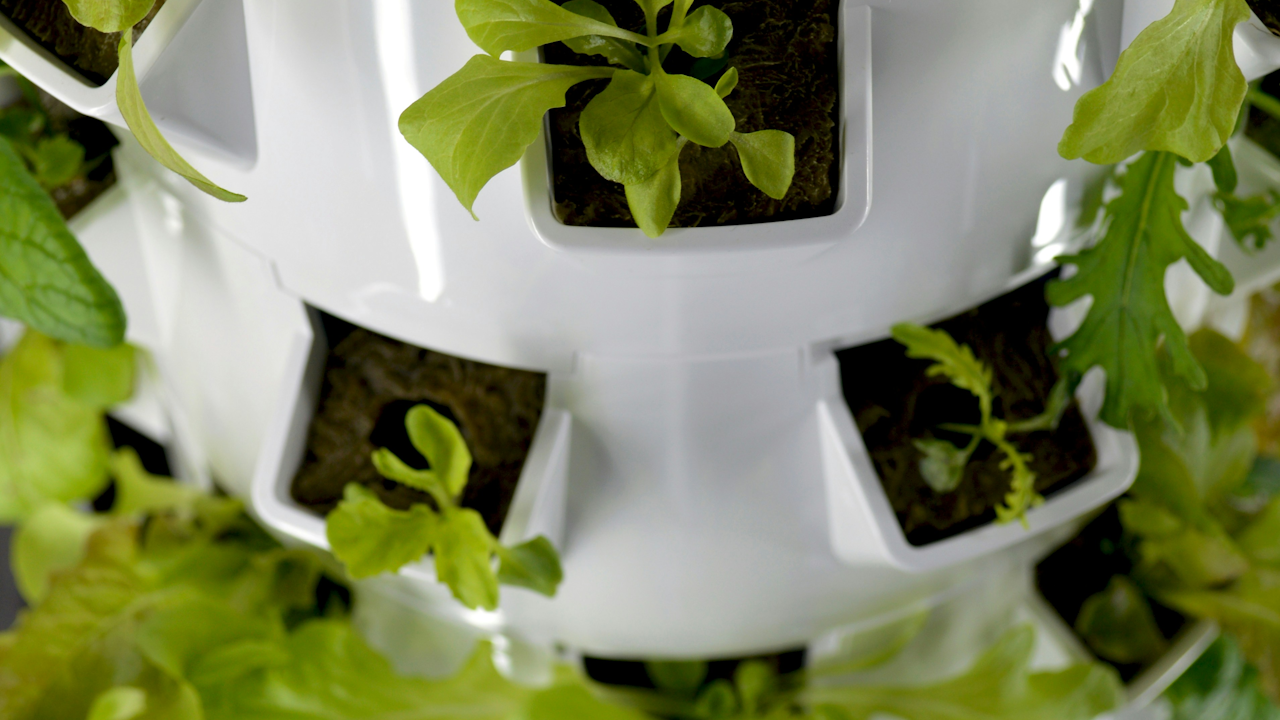
A vertical herb garden offers a practical and space-efficient way to grow fresh herbs at home. Whether you live in a small apartment with limited outdoor space or a house with a spacious backyard, this gardening method allows you to cultivate a variety of herbs on walls, fences, or freestanding structures. Vertical gardens maximize vertical space, making them ideal for urban dwellers, balcony gardeners, and anyone looking to add greenery without taking up much floor area. In this detailed guide, you will learn everything needed to create your own thriving vertical herb garden, from initial planning to ongoing care.
The Benefits of Growing Herbs Vertically
Vertical herb gardens provide numerous advantages over traditional horizontal planting. They save space by utilizing walls and other upright surfaces, which is particularly useful in compact living areas. This approach also improves air circulation around plants, reducing the risk of fungal diseases that can occur in crowded ground beds.
Herbs grown vertically are often easier to access for harvesting and maintenance. You can reach leaves and stems without bending over, which benefits gardeners with mobility limitations. Additionally, vertical setups can enhance the aesthetic appeal of a space, turning a plain wall into a living tapestry of green foliage and fragrant herbs.
Another key benefit is better pest management. Elevated plants are less accessible to ground-dwelling pests like slugs and snails. Vertical gardens can also promote biodiversity by attracting pollinators such as bees and butterflies when flowering herbs are included. From a sustainability perspective, growing your own herbs reduces reliance on store-bought produce, cutting down on packaging waste and transportation emissions.
Planning Your Vertical Herb Garden
Successful vertical gardening begins with careful planning. Start by assessing your available space and environmental conditions. Consider sunlight requirements, as most herbs need at least six hours of direct sunlight daily. South-facing walls or balconies usually work best in the Northern Hemisphere.
Next, decide on the scale of your project. Beginners might start with a small wall-mounted setup, while experienced gardeners could opt for a larger pallet garden or modular tower system. Think about water access too. Vertical gardens dry out faster than ground-level ones, so proximity to a hose or irrigation system is helpful.
Climate and season matter as well. In colder regions, choose hardy perennial herbs or plan to bring tender plants indoors during winter. Research local frost dates to time your planting appropriately.
Selecting Suitable Herbs
Not all herbs thrive in vertical conditions, so choose varieties that adapt well to containers and have compact growth habits. Popular options include:
- Basil: Loves warmth and produces abundantly in summer.
- Mint: Grows vigorously and is best contained to prevent spreading.
- Rosemary: Drought-tolerant with woody stems that suit upright growth.
- Thyme: Low-growing and excellent for trailing over edges.
- Oregano: Hardy and flavorful, with a cascading habit in vertical setups.
- Parsley: Biennial that does well in moderate light.
- Cilantro: Quick-growing but bolts in heat, so succession plant.
- Chives: Perennial with grass-like leaves and edible flowers.
- Sage: Prefers drier conditions and adds texture.
- Lavender: Attracts pollinators and provides aromatic blooms.
Mix sun-loving and shade-tolerant herbs if your location has varying light levels. Consider companion planting principles. For example, basil and oregano grow well together, while mint should be isolated to avoid overwhelming neighbors.
Materials and Tools Needed
Gathering the right supplies ensures a sturdy and functional garden. Essential materials include:
- Vertical structure: Wooden pallets, hanging pockets, gutter systems, wall planters, or shelving units.
- Containers or pockets: Fabric grow bags, recycled plastic bottles, or terracotta pots.
- Growing medium: High-quality potting mix with good drainage. Avoid garden soil, which can compact and harbor pathogens.
- Support hardware: Screws, brackets, wire, or hooks rated for the weight of wet soil and plants.
- Irrigation supplies: Drip irrigation kit, watering can, or self-watering reservoirs.
- Fertilizer: Organic liquid fertilizer or slow-release granules suitable for edibles.
- Mulch: Coconut coir or small pebbles to retain moisture.
- Tools: Drill, screwdriver, hammer, measuring tape, level, scissors, and gloves.
Choose food-safe, weather-resistant materials. For outdoor gardens, select UV-protected fabrics and pressure-treated lumber if using wood.
Step-by-Step Guide to Building the Garden
Step 1: Prepare the Site
Clean the chosen wall or area thoroughly. Remove any debris, dust, or loose paint. If mounting directly on a wall, ensure it can support the weight. Use a level to mark straight lines for even installation.
Step 2: Construct or Assemble the Frame
For a pallet garden, source a clean wooden pallet. Sand rough edges and staple landscape fabric to the back to hold soil. Secure the pallet vertically to the wall using heavy-duty brackets.
For a pocket system, attach fabric planters or individual pots to a trellis or grid. Drill drainage holes in any solid containers. Space units about 8 to 12 inches apart to allow room for growth.
If building a freestanding tower, stack planters or use a commercial vertical planter kit. Ensure the base is stable and weighted if necessary.
Step 3: Install Irrigation
Vertical gardens require consistent moisture. Install a drip irrigation line along the top, allowing water to trickle down through each level. Alternatively, create a simple gravity-fed system with perforated tubing. Test the system before adding soil to check for even water distribution.
Step 4: Add Growing Medium
Fill each pocket or container with potting mix, leaving about one inch of space at the top for watering. Mix in perlite or vermiculite for improved drainage. Lightly tamp down the soil to remove air pockets without compacting it too much.
Step 5: Secure Everything
Double-check that all attachments are firm. Vertical setups can become heavy when watered, so reinforce connections as needed. Add wind protection in exposed areas using netting or strategic placement.
Planting the Herbs
Planting is the rewarding part of the process. Start with healthy seedlings or rooted cuttings rather than seeds for faster results in vertical systems. Gently remove plants from nursery pots, loosen the root ball, and place them into prepared pockets. Firm the soil around the base and water thoroughly to settle everything.
Arrange taller herbs like rosemary toward the bottom or center for stability. Place trailing varieties such as thyme near the edges where they can cascade naturally. Label each plant to track growth and care needs.
Allow adequate spacing between plants. Overcrowding leads to competition for nutrients and increased disease risk. In the first few days, provide some shade if plants show signs of transplant shock.
Caring for Your Vertical Herb Garden
Watering
Check soil moisture regularly by inserting a finger into the top inch. Water when it feels dry. Early morning is the best time to minimize evaporation. Consistent moisture is crucial, but avoid waterlogging, which can cause root rot.
Fertilizing
Herbs are relatively light feeders, but vertical gardens deplete nutrients faster due to frequent watering. Apply a diluted organic fertilizer every two to four weeks during the growing season. Compost tea or fish emulsion works well for edible plants.
Pruning and Maintenance
Regular harvesting encourages bushier growth. Pinch off flower buds on leafy herbs like basil to prolong leaf production. Trim back leggy stems and remove dead leaves promptly to maintain airflow.
Rotate or reposition the structure periodically if light is uneven. Monitor for weeds, though they are less common in container setups.
Seasonal Care
In winter, insulate roots with mulch or move portable gardens to sheltered spots. Protect tender herbs with frost cloth during cold snaps. In hot summers, provide afternoon shade to prevent scorching.
Common Problems and Solutions
Vertical herb gardens face specific challenges. Overwatering is a frequent issue. Symptoms include yellowing leaves and soggy soil. Improve drainage and reduce watering frequency.
Pests like aphids or spider mites may appear. Treat them with insecticidal soap or neem oil sprays. Companion planting with pest-repelling herbs such as chives can help prevent infestations.
Nutrient deficiencies show as discolored leaves. Adjust fertilizer routines accordingly. Poor growth often stems from insufficient light. Supplement with grow lights if natural sunlight is limited.
Structural failure can occur if supports are inadequate. Inspect attachments regularly and reinforce as plants mature.
Harvesting and Using Your Herbs
Harvest herbs in the morning when essential oils are most concentrated. Use clean scissors or pinch leaves with fingers. Never remove more than one-third of the plant at once to avoid stressing it.
Fresh herbs enhance culinary dishes, teas, and homemade remedies. Basil pairs beautifully with tomatoes, while rosemary complements roasted meats. Dry excess harvests by hanging bundles in a warm, dry area or use a dehydrator. Store dried herbs in airtight containers away from light.
Preserve flavors by freezing chopped herbs in ice cube trays with olive oil or water. Create herb-infused vinegars and oils for year-round enjoyment.
Advanced Tips and Variations
Once comfortable with basic setups, experiment with creative variations. Build a living wall using modular felt pockets for a dense display. Incorporate hydroponics for soil-free growing, which reduces mess and accelerates growth.
Combine herbs with edible flowers like nasturtiums for added color and pollinator support. Integrate vertical herb gardens into larger projects such as kitchen walls or balcony railings.
For apartment dwellers, use suction cup hooks or tension rods for temporary installations. Outdoor enthusiasts might construct multi-tiered towers from stacked containers.
Track progress with a gardening journal. Note planting dates, harvest yields, and observations to refine techniques over time.
Conclusion
Building a vertical herb garden is an accessible project that yields fresh flavors, visual beauty, and gardening satisfaction. With proper planning, quality materials, and attentive care, your herbs will flourish season after season. Start small, learn from experience, and expand as confidence grows. This sustainable approach not only improves your meals but also connects you more deeply with the natural world in whatever space you have available. Happy gardening.