

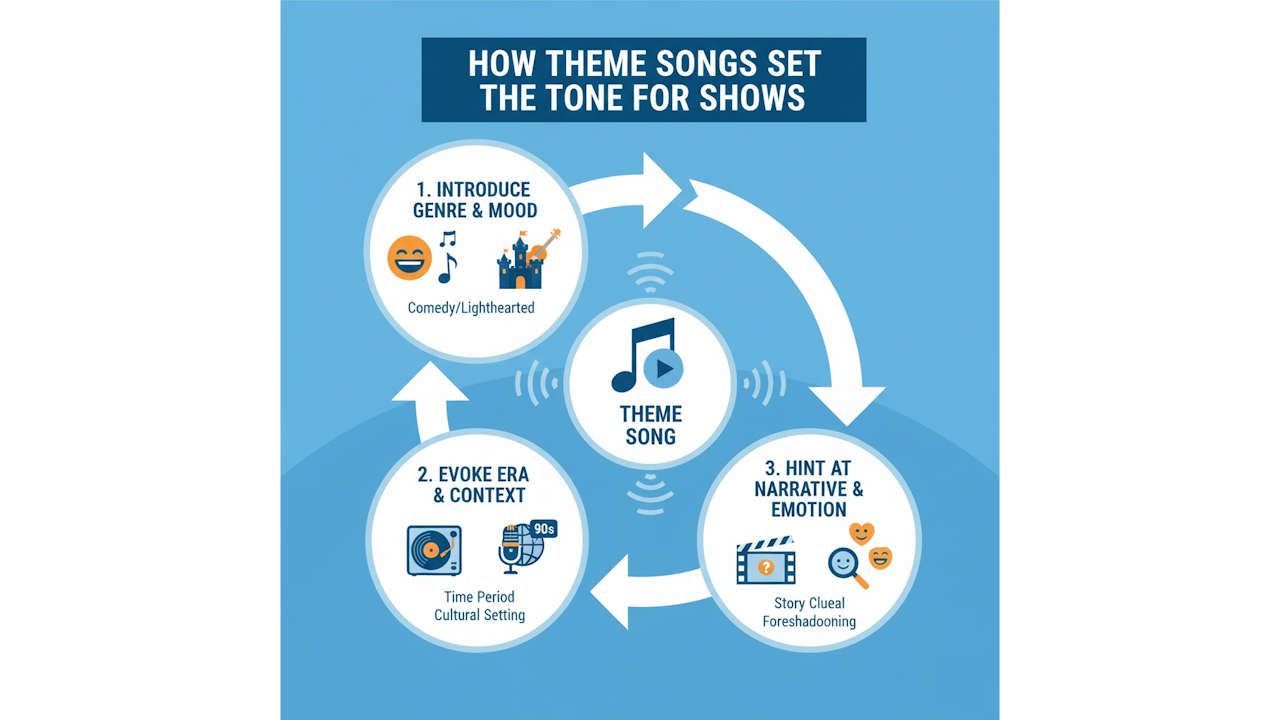
Theme songs serve as the gateway to television worlds. They capture attention in seconds and signal what emotional journey lies ahead. A well-crafted theme song does more than announce a program. It shapes expectations, builds anticipation, and creates an immediate connection with the audience. From the earliest days of television to modern streaming series, these musical introductions have played a crucial role in defining the identity and atmosphere of shows.
Music possesses a unique power to influence emotions. Composers and showrunners understand this deeply. They select or create melodies, rhythms, and lyrics that align perfectly with the narrative tone. Whether upbeat and energetic or dark and mysterious, the theme song primes viewers for the experiences to come. It acts as an emotional compass, guiding the audience into the right mindset before the first line of dialogue is spoken.
The Historical Role of Theme Songs
In the early years of television, theme songs often served practical purposes. They helped viewers know when to return to their seats during commercial breaks or signaled the start of a favorite program. Many featured lyrics that summarized the premise of the show or introduced main characters. This storytelling approach made the opening sequence both informative and entertaining.
Consider classic examples from the 1960s and 1970s. Shows like “The Brady Bunch” used cheerful, family-oriented melodies accompanied by visuals of the cast to establish a wholesome, comedic tone. The song conveyed optimism and togetherness, preparing families for lighthearted adventures. Similarly, “The Jeffersons” theme celebrated upward mobility with its funky, uplifting groove, instantly communicating themes of success and aspiration.
As television evolved, theme songs became more sophisticated. Instrumental pieces gained prominence, relying on mood and orchestration rather than explicit lyrics. This shift allowed for greater subtlety and emotional depth. By the 1980s and 1990s, many themes blended genres to reflect complex characters and storylines. The result was music that not only set the tone but also became culturally iconic in its own right.
Psychological Impact: Why Music Matters
The effectiveness of theme songs stems from fundamental principles of music psychology. Familiar melodies trigger emotional recall and pattern recognition in the brain. Even short, repeatable tunes create a sense of comfort and belonging. When viewers hear a beloved theme, they immediately transport back into the show’s universe.
Rhythm, tempo, and instrumentation play key roles. Upbeat tempos with major keys tend to evoke joy, excitement, or warmth. Slower paces with minor keys build tension, mystery, or melancholy. Composers carefully choose these elements to mirror the show’s core emotional landscape. A catchy hook ensures memorability, while dynamic builds heighten anticipation for the episode ahead.
Theme songs also provide continuity across seasons. They reinforce brand identity and help audiences form emotional attachments. This familiarity can enhance viewer loyalty, making people more likely to tune in week after week. In an era of abundant entertainment options, a strong theme song helps a show stand out and linger in cultural memory.
Setting the Tone in Different Genres
Comedies often employ bright, energetic themes to signal fun and laughter. The “Friends” theme, with its upbeat rhythm and singable lyrics about friendship and support, perfectly encapsulates the show’s lighthearted exploration of relationships in New York City. It creates an inviting atmosphere that encourages viewers to relax and enjoy the antics of the ensemble cast.
“Cheers” offers another masterclass in comedic tone-setting. The warm, folksy melody and lyrics about a place “where everybody knows your name” establish a sense of community and belonging. The song invites audiences into a cozy bar setting filled with humor and heart, contrasting the impersonal nature of everyday life.
Dramas and thrillers take a different approach. They use brooding, intense music to create suspense and emotional weight. The theme for “The Sopranos,” featuring Alabama 3’s “Woke Up This Morning,” pulses with a sinister, bluesy energy. It immediately conveys the moral complexity, danger, and dark humor of the mafia world, setting a tone of unease mixed with intrigue.
Fantasy and science fiction series frequently rely on epic, sweeping scores. The “Game of Thrones” theme by Ramin Djawadi builds with propulsive strings and percussion, evoking grandeur, conflict, and mystery. Its orchestral power prepares viewers for political intrigue, battles, and mythical elements on a massive scale. The music hints at both darkness and fleeting hope, mirroring the show’s complex narrative.
Horror and mystery shows excel at using minimalist or unsettling sounds. “Stranger Things” employs a haunting synth melody that captures 1980s nostalgia while evoking supernatural dread. The retro electronic sounds immediately transport audiences to a world of secrets, danger, and otherworldly forces.
Iconic Examples and Their Lasting Influence
Many theme songs have transcended their shows to become cultural touchstones. The “Mission: Impossible” theme, with its driving rhythm and ticking urgency, perfectly sets a tone of high-stakes espionage and clever problem-solving. Its instrumental nature allows it to focus purely on tension and excitement.
“Peter Gunn” stands out as a jazz-infused detective theme that defined cool sophistication in the late 1950s. Its moody, driving beat established expectations for stylish crime-solving and influenced countless subsequent scores.
In more recent years, “Peaky Blinders” uses Nick Cave and the Bad Seeds’ “Red Right Hand” to create an atmosphere of gritty menace and period drama intensity. The song’s dark, pulsing quality aligns seamlessly with the show’s themes of power, violence, and ambition.
“The Leftovers” demonstrated flexibility in theme selection. Its second season shifted to Iris DeMent’s folksy “Let the Mystery Be,” introducing a lighter yet thematically resonant tone that helped balance the show’s emotional depth without overwhelming despair. This change showed how altering a theme can refresh audience expectations mid-series.
Modern Trends and Adaptations
Today’s television landscape shows greater variety in theme song usage. Some prestige dramas opt for shorter, minimalist intros or even eliminate traditional themes altogether to maintain momentum. Streaming platforms allow more experimentation, with themes that evolve across episodes or seasons.
Licensed songs increasingly replace original compositions. This approach brings instant cultural resonance and emotional familiarity. However, original scores still hold strong appeal for their ability to create unique sonic identities. Composers like Ramin Djawadi continue to demonstrate how tailored music can elevate storytelling.
Animation and children’s programming maintain strong traditions of memorable, educational themes. Shows like “SpongeBob SquarePants” use playful, energetic songs to establish fun, adventurous tones that appeal directly to young viewers.
The Enduring Power of the Opening Tune
Theme songs remain powerful tools for emotional engagement. They condense a show’s essence into mere seconds of music and visuals. A great theme song does not merely introduce. It immerses, excites, comforts, or unsettles. It transforms passive viewing into an active emotional experience.
As television continues to evolve with new formats and technologies, the fundamental role of theme songs persists. They bridge the gap between reality and fiction, drawing audiences into carefully crafted worlds. Whether through soaring orchestrations, catchy pop hooks, or eerie electronic pulses, these musical signatures continue to define the tone and leave lasting impressions long after the credits roll.
The next time a familiar melody plays at the start of an episode, take a moment to appreciate its craft. That brief musical journey sets the stage for everything that follows, proving that sometimes the most memorable part of a show happens before the story even begins.