

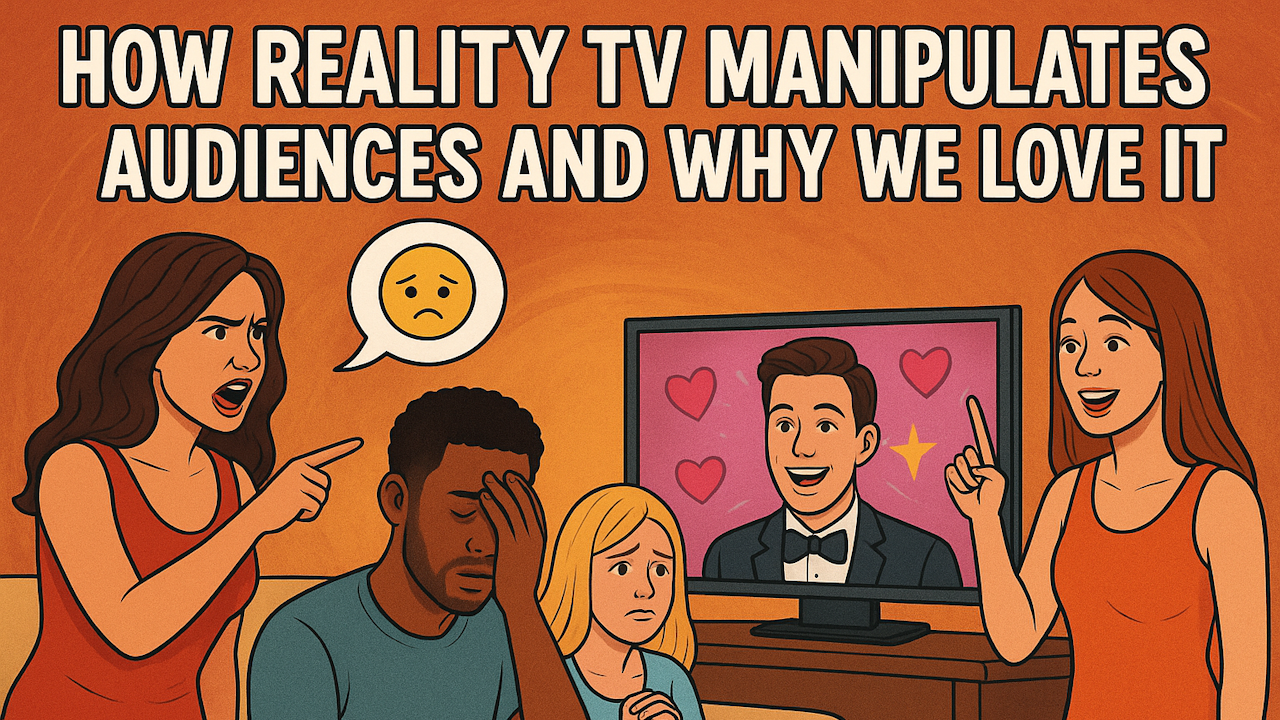
Reality television has become one of the most dominant forces in modern entertainment. From competition formats like Survivor to docu-style series like Keeping Up with the Kardashians, these shows promise unfiltered glimpses into real lives. Yet behind the drama and confessions lies a carefully constructed product designed to captivate viewers. Producers, editors, and networks employ sophisticated techniques to shape narratives, influence emotions, and keep audiences coming back for more. This manipulation raises questions about authenticity, but it also explains the enduring appeal. We love reality TV precisely because it delivers heightened emotion, escapism, and a sense of connection in a polished package that feels both familiar and extraordinary.
The Illusion of Reality: How Shows Are Engineered from the Start
Reality TV begins with casting that prioritizes conflict over compatibility. Producers deliberately select participants with clashing personalities, backgrounds, and egos to generate natural tension. A group of strangers thrown into a house or island setting is not random. Networks look for archetypes: the hero, the villain, the romantic interest, and the comic relief. This setup ensures drama without needing a full script.
Once filming starts, producers actively shape events. They may introduce alcohol to lower inhibitions, create high-stress situations, or isolate contestants to amplify emotions. In dating shows like The Bachelor or Love Island, participants face jealousy-inducing scenarios, such as group dates or surprise arrivals, designed to spark arguments and emotional outbursts. These interventions blur the line between observation and orchestration.
Isolation plays a key role too. Contestants on shows like Big Brother or Survivor operate in controlled environments with limited contact to the outside world. Sleep deprivation, competitive pressure, and constant surveillance heighten reactions. Producers have admitted to feeding storylines or encouraging specific behaviors to push narratives forward. One insider described how teams label contestants early and plot their arcs, turning real people into characters in a larger story.
Editing: The Ultimate Tool of Manipulation
The most powerful manipulation happens in post-production. Hours of footage are condensed into tight episodes, allowing editors to rearrange events, omit context, and create entirely new meanings. This process, often called “Frankenbiting” or “franken-grabs,” involves splicing audio and video from different moments to manufacture conversations or reactions that never occurred as presented.
A contestant might say something neutral in one scene, but editors pair it with angry footage from another day to portray them as confrontational. Selective cuts can build heroes or villains overnight. Music, sound effects, and strategic pauses further heighten tension. A simple eye roll captured out of context can fuel weeks of viewer outrage. Editors have openly discussed creating counterfeit drama to boost engagement, knowing that audiences respond strongly to conflict.
Story editors, not officially called writers to maintain the unscripted illusion, outline episodes with multi-act structures. They decide which moments advance the plot and which get discarded. This selective storytelling can completely alter how viewers perceive events and people. One former editor noted that roughly 20 percent of what airs might reflect raw reality, while the rest comes from production tricks.
Notable Examples of Manipulation in Action
Many iconic shows have faced backlash for these practices. On Survivor, early seasons involved heavy producer influence in challenges and camp life to drive storylines. The Hills drew criticism for its heavily guided narratives, with participants later revealing staged scenes and producer-fed conflicts.
Keeping Up with the Kardashians reportedly reshoot scenes for better drama, including major life events. One producer admitted in a deposition that certain moments were scripted or edited to portray individuals negatively. Dating shows frequently edit conversations to imply stronger emotions or connections than existed.
Love Island has been called out for villain edits, where selective clips paint participants as antagonists by removing context. Contestants on Big Brother and similar formats have spoken about pressure to perform and the lasting impact of manipulated portrayals on their public images and mental health.
These controversies highlight a core tension: while marketed as real, the shows prioritize entertainment value. Networks defend the practices as necessary storytelling, but critics argue they exploit participants and deceive viewers.
Why We Cannot Stop Watching: The Psychology of Appeal
Despite knowing much of it is enhanced, audiences remain hooked. Several psychological factors explain this love affair.
First, escapism stands out as a primary driver. Reality TV offers a temporary break from everyday stresses. Viewers can immerse themselves in others’ problems, relationships, and luxuries without facing their own challenges. This transportation into another world provides relief, similar to reading a novel or watching fiction, but with the added thrill of believing it might be authentic.
Social comparison theory also plays a role. Watching contestants make poor decisions or face public humiliation can make viewers feel better about their own lives. At the same time, aspirational elements, such as wealth, fame, or romance on display, fuel fantasies of what life could be. We root for underdogs, judge villains, and imagine ourselves in those situations.
The brain’s reward system lights up during viewing. Dramatic reveals, fights, and reconciliations deliver dopamine hits, much like indulging in favorite foods. Binge-watching becomes habitual because it offers consistent emotional payoffs in neat episode packages. Loneliness can amplify this effect, as identification with characters provides a sense of connection and community.
Additionally, the voyeuristic aspect satisfies curiosity about human behavior. We enjoy speculating on what is real versus staged, turning viewing into an active, social experience shared with friends or online communities. The uncertainty itself becomes part of the fun.
Broader Impacts on Audiences and Culture
This manipulation extends beyond entertainment. It shapes perceptions of relationships, success, and normal behavior. Constant exposure to heightened drama can distort expectations in real life, making everyday interactions seem dull by comparison. Portrayals of women, minorities, and certain lifestyles often rely on stereotypes for easy conflict, reinforcing biases.
Participants frequently suffer long-term consequences. Edited personas lead to online harassment, mental health struggles, and career damage. Many former contestants describe the experience as traumatic, with producers prioritizing content over well-being.
On a societal level, reality TV reflects and amplifies cultural values around fame, wealth, and spectacle. Its massive profitability, estimated in the tens of billions, ensures the formula continues evolving with new formats and platforms. Streaming services have expanded access, making the content even more pervasive.
Yet audiences are not entirely passive. Many viewers enjoy the shows with a level of awareness, treating them as guilty pleasures or sources of lighthearted discussion. The best reality TV balances manipulation with moments of genuine emotion that resonate.
Balancing Entertainment and Awareness
Reality TV succeeds by blending the familiar with the extraordinary. It manipulates through careful casting, environmental control, and masterful editing to create compelling narratives that keep millions engaged. Techniques like Frankenbiting and selective storytelling craft emotional highs and lows that feel authentic enough to hook us.
We love it for the escapism, the vicarious thrills, the social bonding, and the simple pleasure of watching human drama unfold. It allows us to judge, empathize, fantasize, and forget our troubles for an hour at a time. In a complex world, these shows provide clear stakes, resolutions, and characters we can love or hate.
Understanding the manipulation does not necessarily diminish the enjoyment. It equips viewers to consume more critically, appreciating the craft while recognizing the constructed nature. As the genre evolves, networks may face increasing pressure for transparency, but the core appeal remains rooted in our deep human fascination with stories, connection, and spectacle.
Reality TV is neither fully real nor entirely fake. It occupies a fascinating middle ground that mirrors our desires and vulnerabilities. That is why, season after season, we keep watching.