

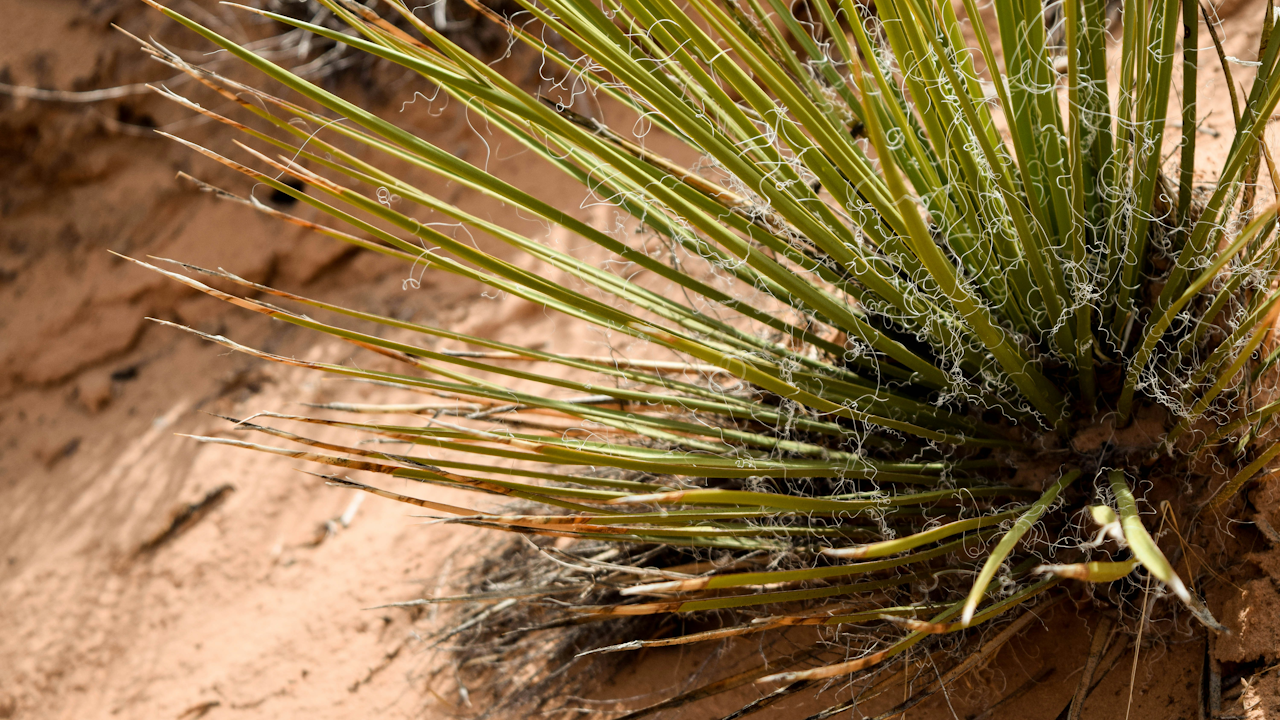
Plants are among the most resilient organisms on Earth. Unlike animals, they cannot move to escape harsh conditions. Instead, they have evolved a remarkable array of morphological, physiological, and molecular adaptations to survive and thrive in environments that would be lethal to most other life forms. Extreme environments include scorching deserts with minimal rainfall, saline soils that dehydrate cells, freezing Arctic tundras and high alpine peaks, areas of intense heat, high ultraviolet radiation, and even soils contaminated with heavy metals. These adaptations not only allow plants to persist but also offer valuable lessons for agriculture, conservation, and understanding life under changing climate conditions.
Surviving Arid Deserts: Strategies for Water Scarcity
Deserts represent one of the most challenging habitats due to extreme heat, low precipitation, and high evaporation rates. Desert plants, known as xerophytes, employ several key strategies: drought avoidance, drought tolerance, and succulence.
Many annual desert plants practice drought avoidance by completing their entire life cycle during brief rainy periods. They remain dormant as seeds during dry times and germinate rapidly when water becomes available. This opportunistic approach ensures reproduction before conditions worsen again.
Perennial plants often develop deep root systems or extensive shallow roots. Deep taproots, such as those in mesquite trees, reach underground water sources many meters below the surface. In contrast, cacti and other succulents have widespread shallow roots that quickly absorb surface moisture from rare rains.
Succulence is a common adaptation. Plants like cacti and agaves store large quantities of water in their fleshy stems or leaves. The saguaro cactus, for example, can expand its accordion-like pleated stem to hold thousands of liters of water after a rainstorm and contract as it uses the reserves. Thick, waxy cuticles on stems and leaves minimize water loss through transpiration, while spines or reduced leaves further decrease surface area exposed to the sun and wind.
A sophisticated physiological adaptation is Crassulacean Acid Metabolism (CAM) photosynthesis. Unlike typical plants that open stomata during the day, CAM plants open theirs at night when temperatures are cooler and humidity is higher. They fix carbon dioxide into organic acids stored in vacuoles and use it for photosynthesis during the day with stomata closed. This dramatically reduces water loss. Many desert succulents, including pineapples and certain orchids outside deserts, use this pathway.
Additional features include small or absent leaves covered in fine hairs or reflective surfaces that reduce heat absorption and transpiration. Some plants, like creosote bush, produce resins or chemicals that deter herbivores and inhibit competing plants.
Coping with Salinity: Halophytes and Salt Management
Saline environments, such as coastal marshes, salt flats, and irrigated farmlands affected by salinization, pose osmotic stress similar to drought. High salt concentrations draw water out of cells and can cause ion toxicity.
Halophytes, salt-tolerant plants, have evolved multiple mechanisms. Some exclude salt at the roots through selective ion uptake or impermeable barriers. Others sequester excess sodium and chloride ions into vacuoles, away from sensitive cellular machinery, using compatible solutes like proline or glycine betaine to maintain osmotic balance without disrupting metabolism.
Mangroves, iconic halophytes, develop specialized aerial roots called pneumatophores that facilitate gas exchange in oxygen-poor, waterlogged soils. Some species excrete salt through glands on leaves, while others shed salt-laden older leaves. Certain plants accumulate salt in bladder-like structures on leaves that can be shed or washed away.
Physiological adjustments include changes in membrane composition and enhanced antioxidant systems to combat oxidative stress induced by salinity. These adaptations allow halophytes to thrive where most crops fail, offering potential for breeding salt-tolerant agricultural varieties.
Thriving in Cold: Arctic, Alpine, and Polar Adaptations
Extreme cold brings challenges of freezing temperatures, short growing seasons, high winds, and permafrost. Arctic and alpine plants often adopt compact growth forms, such as cushions or mats, to stay close to the ground where temperatures are slightly warmer and wind exposure is reduced. This low stature also traps heat and snow for insulation.
The Arctic willow grows as a prostrate shrub, hugging the tundra surface. Purple saxifrage can flower while still partially covered by snow, using metabolic heat generation to melt surrounding ice. Many plants produce antifreeze proteins or accumulate sugars and other cryoprotectants that lower the freezing point of cellular fluids and protect membranes from ice crystal damage.
Perennials often store nutrients and carbohydrates in underground rhizomes or tubers, allowing rapid growth when summer arrives. Some exhibit pubescence (hairiness) on leaves to trap air for insulation and reduce wind desiccation. Alpine plants frequently have thick leaves or rosette forms to maximize light capture in low-angle sunlight and protect against intense UV radiation at high elevations.
Phenological flexibility is key: plants may remain dormant for years until conditions are favorable or accelerate their reproductive cycles dramatically during brief thaws.
Enduring Heat and High Temperatures
High-temperature environments overlap with deserts but also include geothermal areas or tropical dry seasons. Plants here face protein denaturation, increased respiration, and photo-oxidative damage.
Adaptations include heat-shock proteins that stabilize cellular structures during temperature spikes. Reflective leaf surfaces, vertical leaf orientation to minimize midday sun exposure, and efficient cooling through transpiration (when water is available) help regulate temperature. Thermotolerant species may have more stable membranes with saturated fatty acids that maintain integrity at higher temperatures.
Some desert plants tolerate tissue temperatures exceeding 50 degrees Celsius by adjusting metabolic rates or entering temporary dormancy.
High-Altitude Challenges: Low Pressure, Intense UV, and Temperature Swings
At high elevations, plants contend with lower oxygen and carbon dioxide partial pressures, extreme diurnal temperature fluctuations, and intense ultraviolet radiation. Adaptations include increased stomatal density for better gas exchange, enhanced production of UV-protective compounds like flavonoids and anthocyanins that act as sunscreens, and compact morphologies similar to arctic plants.
Polyploidy, or having multiple sets of chromosomes, is common in alpine species and may confer greater genetic flexibility and stress tolerance. Some plants grow ephemeral shoots to avoid the coldest periods or develop thicker cuticles.
Other Extremes: Heavy Metals, Fire, and Nutrient-Poor Soils
Plants in metal-rich soils, such as those near mines, hyperaccumulate toxic elements like nickel or zinc in leaves or stems, sometimes using them for defense against herbivores. This trait is exploited in phytoremediation to clean contaminated sites.
Fire-adapted plants in Mediterranean or savanna ecosystems have thick bark, serotinous cones that open only after fire, or resprouting capabilities from lignotubers. Some seeds require smoke or heat cues to germinate, ensuring growth in post-fire nutrient-rich, competition-free environments.
In nutrient-poor soils, such as those in bogs or sandy areas, plants form symbiotic relationships with mycorrhizal fungi that enhance nutrient uptake, particularly phosphorus. Carnivorous plants like Venus flytraps supplement nitrogen by trapping insects.
Molecular and Genetic Underpinnings
At the cellular level, plants activate complex signaling pathways in response to stress. Transcription factors regulate suites of genes involved in osmotic adjustment, antioxidant defense (superoxide dismutases, catalases), and membrane stabilization. Epigenetic modifications allow rapid, sometimes heritable adjustments without DNA sequence changes.
Extremophile plants often show gene duplications or specialized alleles that enhance stress responses. Research into these mechanisms informs genetic engineering for crop resilience.
Broader Implications
Understanding plant adaptations to extremes is crucial as climate change intensifies droughts, heat waves, and salinity issues. Insights from wild extremophiles can guide breeding or editing of crops like rice, wheat, and maize for better tolerance.
These plants also maintain ecosystem functions in marginal habitats, supporting biodiversity and providing resources for humans, such as medicines or materials. Conservation of extreme habitats preserves genetic reservoirs for future challenges.
In conclusion, the diversity of plant adaptations showcases evolution’s ingenuity. From the water-storing saguaro to the ground-hugging Arctic willow, these survivors demonstrate how life can persist under conditions once thought uninhabitable. Continued study of these remarkable organisms promises to deepen our appreciation of botanical resilience and equip humanity to face an uncertain environmental future.