

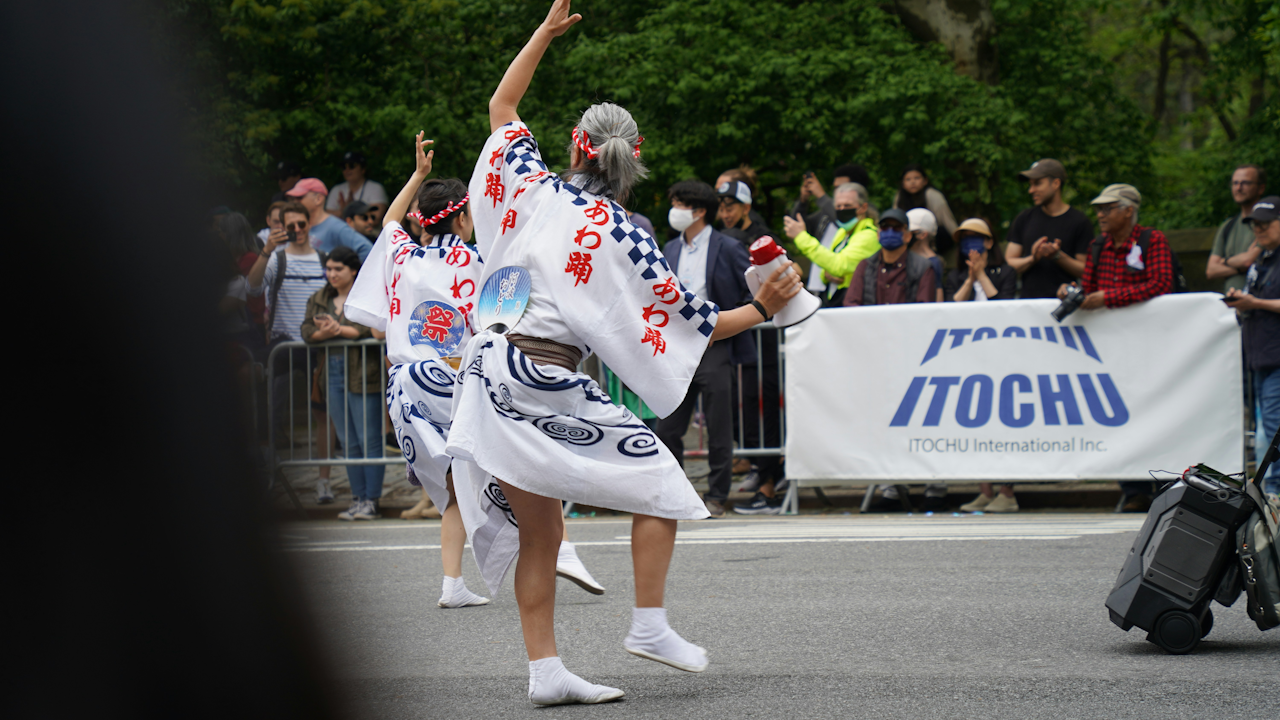
Globalization refers to the increasing interconnectedness of the world through trade, technology, communication, and migration. It has accelerated dramatically in recent decades, driven by advancements in transportation, the internet, and international agreements. Traditions, on the other hand, are the customs, beliefs, practices, and expressions passed down through generations within communities. They form the cultural backbone of societies, providing identity, continuity, and a sense of belonging. This article explores how globalization shapes traditions, examining both transformative opportunities and significant challenges. The process is complex and multifaceted, often producing hybrid forms while threatening the survival of unique local practices.
The Historical Roots of Globalization and Tradition
The interplay between globalization and traditions is not a new phenomenon. Historical trade routes such as the Silk Road connected distant civilizations, allowing for the exchange of goods, ideas, and customs long before the modern era. Spices from India influenced European cuisines, while religious practices spread across continents through exploration and conquest. However, the scale and speed of contemporary globalization far exceed these earlier interactions. The Industrial Revolution, colonial expansions, and post-World War II institutions like the United Nations and the World Trade Organization intensified these exchanges. In the digital age, information travels instantaneously, compressing time and space in ways that profoundly affect how traditions evolve or erode.
Today, traditions are no longer isolated within geographic boundaries. A festival in one country can gain international followers overnight through social media platforms. This connectivity reshapes cultural landscapes, sometimes reinforcing traditions and at other times diluting them.
Cultural Exchange and the Rise of Hybrid Traditions
One of the most visible ways globalization shapes traditions is through cultural exchange, leading to hybridization. When different cultures interact, they borrow and adapt elements from one another, creating new expressions. This fusion enriches global diversity even as it alters original forms.
Consider cuisine as a prime example. Traditional dishes have crossed borders and transformed. Sushi, once a localized Japanese delicacy prepared with specific regional ingredients and techniques, now appears in countless variations worldwide. In the United States, one finds California rolls with avocado and mayonnaise, ingredients absent from classical Japanese recipes. Similarly, Indian curry has adapted to British palates, resulting in dishes like chicken tikka masala, which some argue was invented in the United Kingdom to suit local tastes. These adaptations make traditions accessible but also modify their authenticity. Chefs and home cooks blend flavors, ingredients, and cooking methods, producing innovative outcomes that appeal to global consumers.
Music provides another illustration. Genres like reggae from Jamaica have influenced global pop, hip-hop, and electronic music. Artists incorporate traditional rhythms and instruments into mainstream productions. K-pop from South Korea blends Western pop structures with Korean linguistic and visual elements, achieving worldwide popularity. Fans in distant countries adopt dance moves, fashion, and even language phrases from these traditions, creating fan communities that sustain and evolve the cultural forms. This exchange fosters creativity and cross-cultural understanding, yet it can lead to commercialization that prioritizes market appeal over historical context.
Clothing and fashion traditions have undergone similar shifts. Traditional garments such as the Indian sari, the Japanese kimono, or African prints have entered global fashion cycles. Designers incorporate these elements into ready-to-wear collections, making them available in department stores across continents. While this exposure preserves visibility for endangered crafts, it often strips away the symbolic meanings tied to specific occasions, rituals, or social statuses. A sari worn as everyday streetwear in a Western city carries different connotations than one used in a traditional Indian wedding ceremony.
Language and communication traditions are also reshaped. English has emerged as a global lingua franca, facilitating business, education, and entertainment. This dominance aids international collaboration but pressures minority languages. Indigenous communities may prioritize learning dominant languages for economic opportunities, leading to the decline of native tongues. At the same time, globalization enables language revitalization efforts. Online resources, diaspora communities, and digital archives help preserve endangered languages, allowing younger generations to reconnect with ancestral words and stories.
Economic Forces and Their Influence on Local Traditions
Globalization operates strongly through economic channels, affecting traditions tied to livelihoods and production. International trade and multinational corporations introduce new consumer demands that can either support or undermine traditional practices.
Handicrafts represent a key area. In many developing regions, artisans produce textiles, pottery, jewelry, and carvings using time-honored methods. Globalization opens export markets, providing income and incentives to continue these skills. Fair trade initiatives and tourism promote authentic products, helping sustain communities. For instance, Mexican talavera pottery or Moroccan rugs gain appreciation and sales through global platforms like online marketplaces. This economic validation encourages transmission to younger generations.
However, the same forces can erode traditions. Mass-produced goods from factories often undercut local artisans, who cannot compete on price or scale. Cheap imports flood markets, reducing demand for handmade items. In some cases, traditional knowledge is appropriated without compensation, as seen with patterns or designs patented by foreign companies. Economic pressures may push communities toward urbanization, where individuals abandon rural traditions for wage labor in cities.
Tourism, a major component of globalization, has dual effects. It generates revenue that funds preservation projects, such as restoring historical sites or supporting cultural festivals. Tourists seek authentic experiences, encouraging communities to maintain dances, music, and rituals. Yet, the commodification of culture can lead to staged performances that prioritize visitor satisfaction over genuine practice. Sacred sites may become overcrowded, and traditions simplified for easy consumption. In extreme cases, local residents feel like performers in their own lives, altering the organic nature of their customs.
Social Media, Technology, and the Acceleration of Change
The digital revolution has supercharged globalization’s impact on traditions. Platforms like Instagram, TikTok, and YouTube allow individuals to share cultural practices instantly with global audiences. A traditional dance from a remote village can go viral, inspiring adaptations and interest worldwide. Young people document family recipes, storytelling sessions, or holiday celebrations, creating digital archives that outlast physical memory.
This visibility can empower marginalized groups. Indigenous activists use social media to highlight environmental threats linked to traditional lands or to rally support for language preservation. Global awareness campaigns have helped revive interest in practices like Maori tattooing or Native American powwows.
Nevertheless, technology introduces challenges. Algorithms favor content that performs well, often rewarding sensational or simplified versions of traditions. Deepfakes, cultural appropriation memes, and misinformation can distort historical understandings. Younger generations, exposed to global trends, may prefer modern lifestyles over time-intensive traditional ones. The pressure to present polished, shareable versions can lead to self-censorship or exaggeration within communities.
Globalization also influences family structures and life-cycle traditions. Migration for work separates families, changing how rituals around birth, marriage, and death are observed. Diaspora communities adapt ceremonies to new environments, incorporating local elements while striving to retain core meanings. Video calls enable virtual participation, maintaining some continuity across distances.
Case Studies: Diverse Regional Experiences
Examining specific regions reveals the varied ways globalization shapes traditions. In India, ancient festivals like Diwali have gained global recognition. Diaspora communities organize large-scale celebrations in cities such as New York or London, complete with lights, sweets, and fireworks. Bollywood films blend traditional storytelling with Hollywood techniques, exporting Indian culture while absorbing Western influences. However, rapid urbanization and consumerism challenge rural customs, with some villages losing traditional joint family systems.
In Africa, globalization interacts with rich oral traditions and communal practices. Music and dance from the continent have profoundly influenced global genres, from jazz to Afrobeats. Yet, economic globalization has led to the extraction of resources and cultural artifacts, sometimes at the expense of local heritage. Efforts to protect intellectual property for traditional knowledge, such as medicinal plants or folklore, represent responses to these pressures. Tourism in places like Kenya or South Africa promotes cultural villages, which can preserve skills but risk turning living cultures into museum exhibits.
Latin America offers insights into syncretism. Traditions blending indigenous, African, and European elements, such as Day of the Dead in Mexico, have captured international imagination through films and art. Globalization amplifies these celebrations, with parades and merchandise appearing worldwide. At the same time, global fast food chains and media introduce competing lifestyles that may weaken local dietary or social customs.
In East Asia, countries like China and Japan navigate globalization while safeguarding heritage. China promotes its cultural exports through initiatives like Confucius Institutes, while managing the influx of Western influences. Traditional Chinese medicine and martial arts have globalized successfully, adapting to scientific scrutiny and consumer markets. Japan maintains strong traditions in tea ceremonies and seasonal festivals amid high-tech urbanization, using globalization as a tool for soft power.
Challenges of Homogenization and Cultural Loss
Despite the benefits of exchange, a major concern is cultural homogenization. Dominant cultures, particularly Western ones, exert disproportionate influence through media, entertainment, and consumer brands. Hollywood movies, global fashion brands, and fast-food outlets promote standardized lifestyles that can overshadow local traditions. This leads to what some scholars term “McDonaldization,” where efficiency and uniformity replace diversity.
Indigenous and minority traditions face acute threats. Globalization often prioritizes economic growth over cultural rights, resulting in the displacement of communities and the erosion of languages. According to various reports, hundreds of languages are at risk of extinction this century. When a language disappears, associated knowledge systems, stories, and worldviews vanish as well.
Environmental degradation linked to global supply chains further impacts traditions dependent on natural resources. For example, climate change affects agricultural rituals tied to seasonal cycles, while deforestation threatens materials used in crafts or ceremonies.
Efforts Toward Preservation and Balanced Adaptation
Communities and governments respond to these dynamics in creative ways. International organizations like UNESCO designate heritage sites and intangible cultural practices for protection, raising awareness and providing resources. National policies support cultural education in schools, ensuring traditions are taught alongside global subjects.
Individuals play crucial roles too. Artists and activists fuse old and new, creating works that honor roots while engaging contemporary audiences. Community-led initiatives document oral histories, digitize archives, and organize cultural exchanges on equitable terms. Education programs emphasize cultural literacy, helping people appreciate both local and global heritages.
The key lies in conscious adaptation. Traditions have always evolved; rigidity can lead to irrelevance. Globalization provides tools for documentation, collaboration, and innovation. By approaching change mindfully, societies can retain core values while benefiting from broader connections.
The Future of Traditions in a Globalized World
Looking ahead, globalization will continue to reshape traditions in unpredictable ways. Artificial intelligence and virtual reality may enable immersive experiences of distant cultures, potentially deepening appreciation or further detaching practices from their origins. Climate migration could create new hybrid identities, blending traditions in novel settings.
Optimistically, increased awareness may foster greater respect for diversity. Consumers might demand ethically sourced cultural products, supporting artisans and sustainable practices. Pessimistically, unchecked commercialization could accelerate loss, leaving a world of superficial similarities.
Ultimately, the shaping of traditions by globalization depends on human agency. Individuals, communities, and policymakers must prioritize cultural sovereignty alongside openness. Traditions provide meaning in an increasingly fluid world; preserving their essence while allowing evolution ensures they remain vibrant sources of identity and connection.
In conclusion, globalization acts as both a catalyst for cultural renaissance and a force of disruption. It facilitates the spread and transformation of traditions, generating hybrid forms that reflect our shared humanity. Yet it poses risks of dilution and erasure that require vigilant stewardship. By understanding these dynamics, societies can navigate the complexities, fostering a world where traditions enrich rather than divide, and where global interconnectedness strengthens rather than supplants local roots. The ongoing dialogue between the global and the traditional will define cultural landscapes for generations to come.