

Creating a functional and inspiring home office does not require a big budget. With some creativity and basic materials available at local stores or online, you can transform your workspace into a more productive, comfortable, and organized area. This article explores practical DIY upgrades that stay well under $100 in total. Each project uses affordable supplies, many of which you might already have at home. The focus is on simple steps that deliver noticeable improvements in lighting, ergonomics, organization, acoustics, and personal touches.
These upgrades prioritize low-cost items like Command hooks, zip ties, foam board, fabric, and basic tools. You can mix and match projects based on your needs, keeping the grand total low. Let’s break down the ideas section by section.
1. Upgrade Your Lighting for Better Focus and Eye Health
Poor lighting causes eye strain and reduces productivity. A good setup combines ambient light with targeted task lighting.
DIY Desk Lamp Enhancement Materials:
- One affordable LED clamp lamp or gooseneck lamp (around $15-20)
- White poster board or foam core board for a diffuser ($5)
- Tape or binder clips ($2)
Steps: Buy a basic clamp lamp with adjustable brightness if possible. Cut the foam core board to fit behind or around the lamp head as a reflector or diffuser. Secure it with tape. Position the lamp to the side of your monitor to reduce glare. This setup bounces light evenly and softens harsh shadows.
Ambient Lighting Boost String lights or LED strip lights under shelves or along the back of the desk add warmth without much cost. Look for battery-powered fairy lights ($10) or USB-powered strips ($8). Use small adhesive hooks to mount them cleanly. Avoid bright blue-toned lights; opt for warm white for a calmer atmosphere.
Total estimated cost for lighting: $25-35. The result is reduced fatigue during long work sessions and a more professional look for video calls.
2. Improve Ergonomics with Simple Risers and Supports
Proper posture prevents back and neck pain. You can create custom solutions using household items and cheap additions.
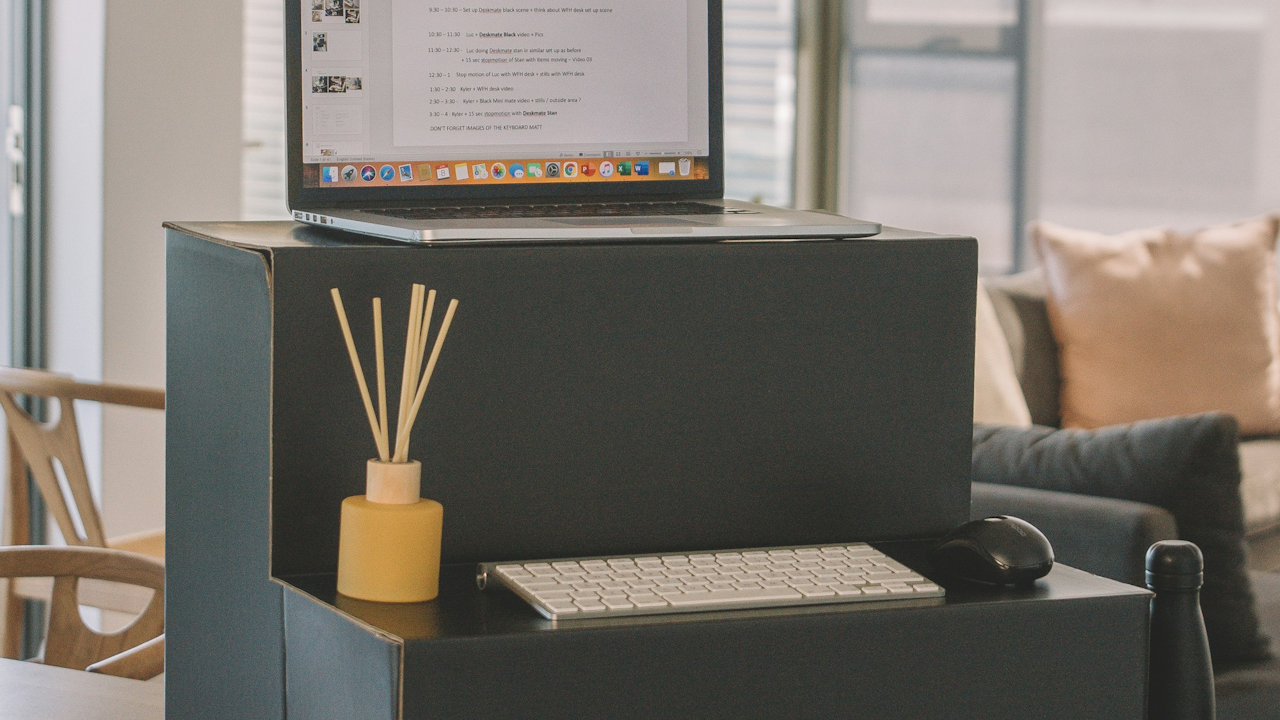
Monitor Riser from Repurposed Materials Materials:
- Stack of sturdy books or cardboard boxes (free)
- Decorative contact paper or fabric to cover ($5)
- Non-slip shelf liner ($3)
Steps: Select books or boxes that raise your monitor so the top of the screen is at eye level. Measure the height needed (usually 4-6 inches). Wrap the stack neatly with contact paper for a polished look. Place non-slip liner underneath to prevent sliding. This elevates your screen without buying an expensive stand.
Footrest DIY A footrest improves circulation and lower back alignment. Materials:
- Small cardboard box or wooden crate ($10 or free)
- Old towel or yoga mat piece for cushioning ($5)
- Duct tape
Steps: Fill the box with old newspapers for stability if needed. Wrap it with the towel or mat and secure with tape. Adjust the height so your knees form a 90-degree angle when feet rest on it. For extra comfort, layer foam from an old pillow.
Chair Cushion Upgrade Add lumbar support with a rolled towel or buy a cheap memory foam seat cushion ($15). Secure it with fabric ties if it slides.
Ergonomic total: $20-30. These changes make long hours at the desk far more sustainable.
3. Master Cable Management for a Cleaner Workspace
Messy cables create visual clutter and safety hazards. Taming them is one of the quickest upgrades.
Basic Cable Organization Materials:
- Velcro cable ties or zip ties (pack of 50 for $5)
- Cable sleeves or spiral wraps ($8)
- Adhesive clips or Command hooks ($7)
Steps: Unplug everything and sort cables by device. Bundle similar cables with Velcro ties. Run them along the desk edge using adhesive clips. For longer runs, thread cables through a sleeve and attach to the underside of the desk with hooks. Label each bundle with masking tape and a marker for easy identification.
Power Strip Mount Mount your power strip under the desk using heavy-duty double-sided tape or screws if your desk allows. This keeps outlets accessible but hidden.
Cable management total: $15-20. A tidy desk instantly feels more professional and reduces distractions.
4. Boost Storage and Desk Organization
Cluttered surfaces kill focus. Create smart storage with budget materials.
Floating Shelf from Basic Wood Materials:
- Wooden plank or pre-cut shelf board from hardware store ($15-20)
- Brackets or L-shaped shelf supports ($10)
- Screws and wall anchors if needed
Steps: Measure the space above your desk. Attach brackets to the wall at equal heights. Place the board on top and secure. Use it for books, plants, or supplies. Paint or stain the wood if desired for a custom look.
Desk Drawer Organizers Materials:
- Cardboard boxes or small plastic bins ($5-10)
- Wrapping paper or paint for decoration
Steps: Cut cardboard to fit inside drawers. Create compartments for pens, sticky notes, and chargers. Cover with decorative paper. This keeps small items sorted and easy to find.
Vertical File Holder Repurpose a magazine rack or make one from cereal boxes glued together and covered in fabric. Mount on the wall with hooks.
Storage upgrades total: $25-35. More space means less time searching for items.
5. Enhance Acoustics and Reduce Noise
Echoey rooms or background noise affect concentration and call quality.
DIY Sound Panels Materials:
- Acoustic foam sheets (budget pack $20) or thick cardboard and old blankets
- Fabric remnants ($10)
- Spray adhesive or staples
Steps: Cut foam or cardboard into squares. Wrap with fabric and attach to the wall behind your desk or on the ceiling if possible using removable hooks. Even a heavy curtain hung behind your chair absorbs sound effectively.
White Noise Solution A small USB fan ($10) provides gentle background sound. Position it to mask distractions without blowing directly on you.
Acoustic improvements total: $20-30. Clearer audio during meetings and fewer interruptions improve workflow.
6. Personalize the Space for Motivation
A bland office drains energy. Small decorative touches make the area yours.
Inspiration Board Materials:
- Cork board or foam board ($10)
- Fabric or paint ($5)
- Push pins (usually on hand)
Steps: Cover the board with fabric. Hang it using Command strips. Fill with motivational quotes, project notes, or photos printed at home.
Greenery Addition Low-maintenance plants like snake plants or pothos cost $10-15 each. Use repurposed jars or cheap pots. Plants improve air quality and add life to the room.
Background Fabric for Calls Hang a neutral-colored bedsheet or tapestry behind your chair with hooks ($10). This creates a clean backdrop without painting walls.
Personalization total: $20-30. These elements boost mood and creativity.
7. Quick Tech and Productivity Hacks
Keyboard Tray Alternative If your desk is too high, create a pull-out surface using a cutting board or shallow tray on drawer slides ($15).
Monitor Privacy Filter For shared spaces, attach a DIY filter using translucent plastic sheets from office supply stores ($8).
Charging Station Designate a small tray near the desk for overnight charging. Route cables neatly through a hole drilled in the desk if appropriate, or use clips.
These hacks require minimal spending but solve common frustrations.
Putting It All Together: Sample $80 Budget Breakdown
Here is one possible combination that stays comfortably under $100:
- Lighting: $30
- Ergonomics (riser and footrest): $15
- Cable management: $15
- Storage shelf and organizers: $20
Total: $80. Shop at discount stores, thrift shops, or online marketplaces for even better deals. Reuse items you already own to lower costs further.
Maintenance and Long-Term Tips
After completing upgrades, maintain the space with weekly quick cleans. Reassess every few months as your needs change. Track what works best for your workflow. Many of these projects take under an hour each, so you can spread them out over a weekend.
Start with the upgrades that address your biggest pain points, such as lighting or cables. The cumulative effect of small changes creates a space that supports focus, health, and enjoyment. You do not need fancy furniture or expensive gadgets to have an effective home office. With these DIY approaches, a budget of under $100 delivers professional-level improvements.
Investing time in your workspace pays off in higher productivity and reduced stress. Gather your materials, clear some time, and begin transforming your home office today. The results will motivate you to tackle bigger projects in the future while keeping spending low. Your upgraded setup will feel custom-made and perfectly suited to your daily routine.