

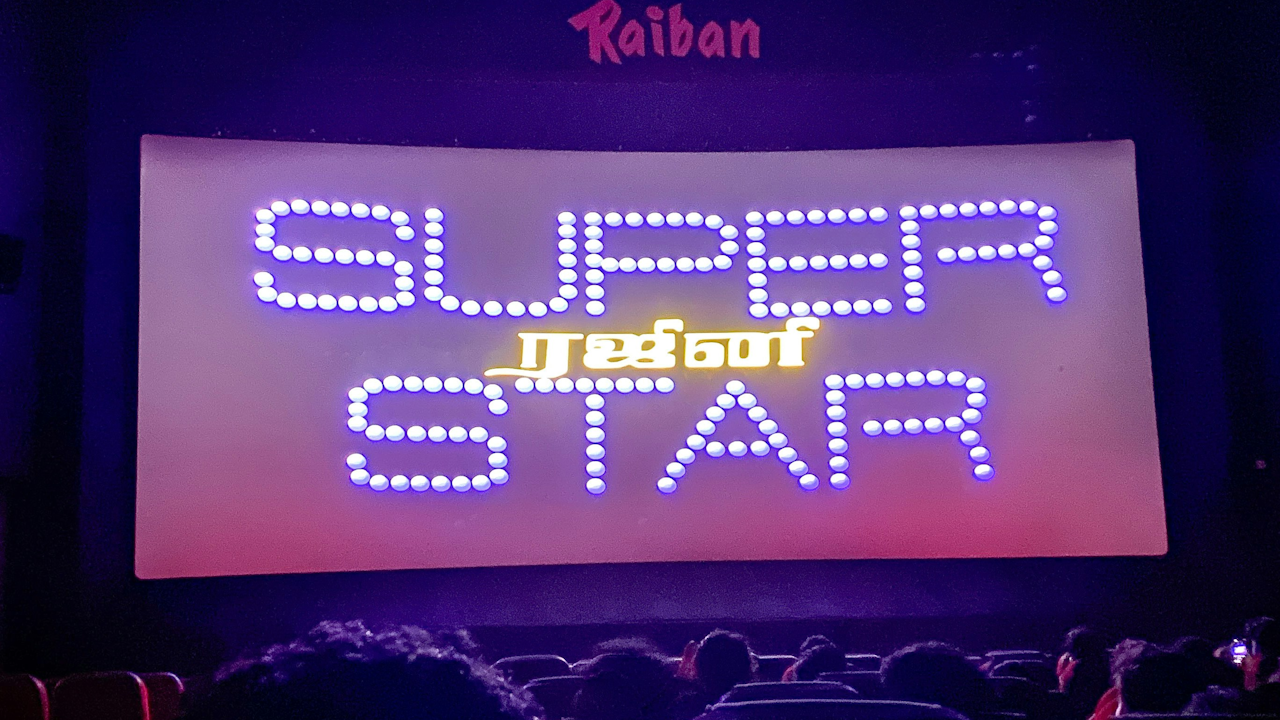
In the age of social media and instant global connectivity, fan culture has evolved from a niche hobby into a powerful force that directly influences Hollywood decision making. Gone are the days when studios could quietly develop films in isolation and release them with minimal input from audiences until opening night. Today, fans organize on platforms like Reddit, X, and TikTok to share theories, launch petitions, and voice demands that can alter everything from character designs to entire narrative arcs. This shift has transformed passive viewers into active participants, sometimes collaborators, in the storytelling process. As a result, movie plots are increasingly shaped not just by directors’ visions or studio mandates but by the collective expectations, backlashes, and enthusiasms of dedicated fanbases. This article explores the mechanisms behind this phenomenon, examines key examples, weighs the benefits and drawbacks, and considers what it means for the future of cinema.
The foundations of fan influence trace back decades, but the digital era has amplified it exponentially. Before the internet, test screenings provided limited audience feedback, often leading to tweaks like the happier ending in Pretty Woman or cuts to Blade Runner. These changes were internal and studio driven. Now, fans wield public pressure through hashtags, Change.org petitions, and viral campaigns that can reach millions overnight. Studios monitor online sentiment in real time using social listening tools, and executives openly admit to factoring fan reactions into sequels and reshoots. This creates a feedback loop where plot elements are adjusted to build hype, resolve controversies, or capitalize on popular theories. Filmmakers sometimes plant Easter eggs deliberately to spark discussions, knowing that engaged fans will generate free marketing and sustain franchise longevity.
One of the most visible ways fan culture shapes movies is through demands for visual and design fidelity, which often bleed into plot integrity. The 2020 Sonic the Hedgehog film stands as a landmark case. The initial trailer featured a hyper realistic, human like Sonic design that horrified fans familiar with the vibrant, cartoonish video game character. Social media erupted with memes, criticism, and calls for change. Paramount Pictures responded by delaying the release, investing millions in a full redesign, and even incorporating a meta joke about the original look into the final film. The result was a box office success that aligned more closely with fan expectations. While primarily a design overhaul, this adjustment ensured the plot’s lighthearted, adventurous tone felt authentic to the source material rather than alienating its core audience. Similar redesign pressures have influenced other adaptations, proving that fans can force studios to prioritize canon accuracy over initial creative choices.
Fan campaigns have also led to wholesale restorations or alternative releases that fundamentally reshape narratives. The most prominent example is Zack Snyder’s Justice League, released in 2021 on HBO Max. The 2017 theatrical version, heavily altered by studio interference and reshoots under Joss Whedon, disappointed fans who craved Snyder’s darker, more epic vision for the DC Extended Universe. A grassroots movement under the hashtag #ReleaseTheSnyderCut gained traction with petitions signed by hundreds of thousands, social media pressure on Warner Bros. executives, and even charity fundraisers tied to the cause. The studio eventually greenlit a four hour director’s cut with additional footage, new visual effects, and a reported 70 million dollar budget for completion. This version expanded character arcs, particularly Cyborg’s role, restored Knightmare sequences hinting at a larger multiverse plot, and altered key battles and resolutions. What began as a fan driven effort to “fix” the film became an official release that offered a radically different story structure and thematic depth, demonstrating how collective pressure can revive shelved visions and influence ongoing franchise planning.
The Star Wars sequel trilogy provides another compelling illustration of fan culture steering plot directions mid franchise. The release of The Last Jedi in 2017 divided the fanbase. Some praised its subversive take on legacy characters and the Force, while a vocal segment criticized it for undermining beloved elements like Luke Skywalker’s heroism. Social media backlash was intense, with petitions and review bombing campaigns targeting the film. In response, director J.J. Abrams and the team behind The Rise of Skywalker in 2019 appeared to course correct. The final installment reintroduced Emperor Palpatine, a fan speculated return that tied back to earlier theories and addressed dissatisfaction with the new villains like Snoke. It also emphasized legacy callbacks, such as Rey’s lineage reveal and heroic sacrifices echoing the original trilogy. Abrams has acknowledged listening to fan reactions during development, resulting in a plot that prioritized reconciliation over bold risks. While critics debated whether this pandering diluted originality, it underscored how fan sentiment can prompt major narrative pivots in long running sagas to maintain audience loyalty.
Marvel Studios has mastered a subtler form of fan influenced plotting through strategic fan service, where plots are engineered to deliver nostalgic payoffs. Spider-Man: No Way Home (2021) exemplifies this approach. The film’s multiverse premise allowed the integration of villains and Spider-Men from previous non MCU iterations, including Tobey Maguire and Andrew Garfield reprising their roles alongside Tom Holland. This was not an afterthought but a core plot driver: the story revolved around Peter Parker’s spell gone wrong pulling in alternate characters, enabling emotional arcs like Garfield’s Spider-Man redeeming a past failure by saving a falling ally. Writers have noted that while they aimed for organic storytelling, the concept was built to fulfill long standing fan desires for crossovers and callbacks. The result was a massive commercial hit that wove fan expectations directly into the narrative fabric, turning potential plot holes into opportunities for crowd pleasing moments. Similar tactics appear in later MCU entries, where multiverse elements or post credit teases respond to online speculation and demand for specific character returns.
Beyond major franchises, smaller adjustments show fan culture’s reach. In Teenage Mutant Ninja Turtles (2014), Michael Bay’s initial plan for an alien origin story sparked outrage among fans attached to the comics and cartoons. The studio revised the backstory to align with traditional Earth mutated origins, even inserting a self aware line mocking the change. In Alien: Covenant (2017), audience frustration over limited xenomorph presence in Prometheus led to a greater emphasis on the creatures in the sequel’s plot. Even Fantastic Four (2015) saw reshoots to rename a character closer to comic book canon after fan complaints. These examples reveal a pattern: when fans mobilize, studios recalibrate not just superficial details but story foundations to avoid alienating their most passionate supporters.
Fan theories add another layer to this shaping process. Online communities dissect trailers, scripts leaks, and subtle clues, generating ideas that sometimes find their way into official plots. Filmmakers increasingly monitor these discussions, occasionally confirming popular speculations to reward engagement. In some cases, like certain Pixar or Disney films, ambiguous endings or character backstories have been clarified in sequels based on dominant fan interpretations. This interactive dynamic enriches the cinematic universe, as plots evolve to incorporate elements that feel co created by the audience.
The positive impacts of this trend are significant. Fan involvement boosts engagement and cultural relevance. Movies that respond to audience input often achieve stronger box office returns and sustained buzz, as seen with Sonic’s redesign turning potential flop into hit. It promotes diversity and inclusivity when fans advocate for better representation, pressuring studios to expand stories in ways that reflect broader demographics. Franchises gain longevity through loyalty, and filmmakers benefit from real time insights that refine pacing, character development, and emotional resonance. In essence, fan culture democratizes storytelling, making cinema more responsive and communal.
However, the influence is not without drawbacks. Overreliance on fan service can stifle innovation, leading to formulaic plots overloaded with nostalgia at the expense of fresh ideas. The Star Wars sequels’ back and forth highlighted risks of creative whiplash, where attempts to please everyone result in diluted visions. Toxic elements within fandom, such as harassment campaigns or review bombing, have forced studios into defensive changes that prioritize vocal minorities over artistic integrity. Reshoots and delays driven by backlash inflate budgets and timelines, sometimes compromising quality. Moreover, when plots bend too far toward pandering, they risk alienating casual viewers who seek original experiences rather than fan validated continuity.
Looking ahead, fan culture’s role is likely to deepen. Streaming platforms already analyze viewing data to inform greenlights and tweaks, while emerging technologies like interactive storytelling or AI driven narratives could allow even more direct fan input. Studios may increasingly collaborate with fan editors or theory creators for marketing and development, as seen in recent experiments with TikTok fan edits boosting interest in rereleases. Yet this evolution demands balance. Filmmakers must navigate between honoring fan voices and preserving bold authorship, ensuring that plots remain compelling stories rather than reactive compromises.
Ultimately, fan culture has redefined the movie making ecosystem. What was once a one way street from screen to audience has become a dialogue, with fans helping to mold plots in real time. From redesigns that save films to campaigns that resurrect director’s cuts, the evidence is clear: passionate communities wield real power. As Hollywood adapts, the most successful movies will likely be those that channel this energy thoughtfully, blending fan desires with visionary storytelling to create experiences that resonate across generations. In this new era, the plot is no longer solely the writer’s domain but a shared canvas where audience voices help paint the final picture.