

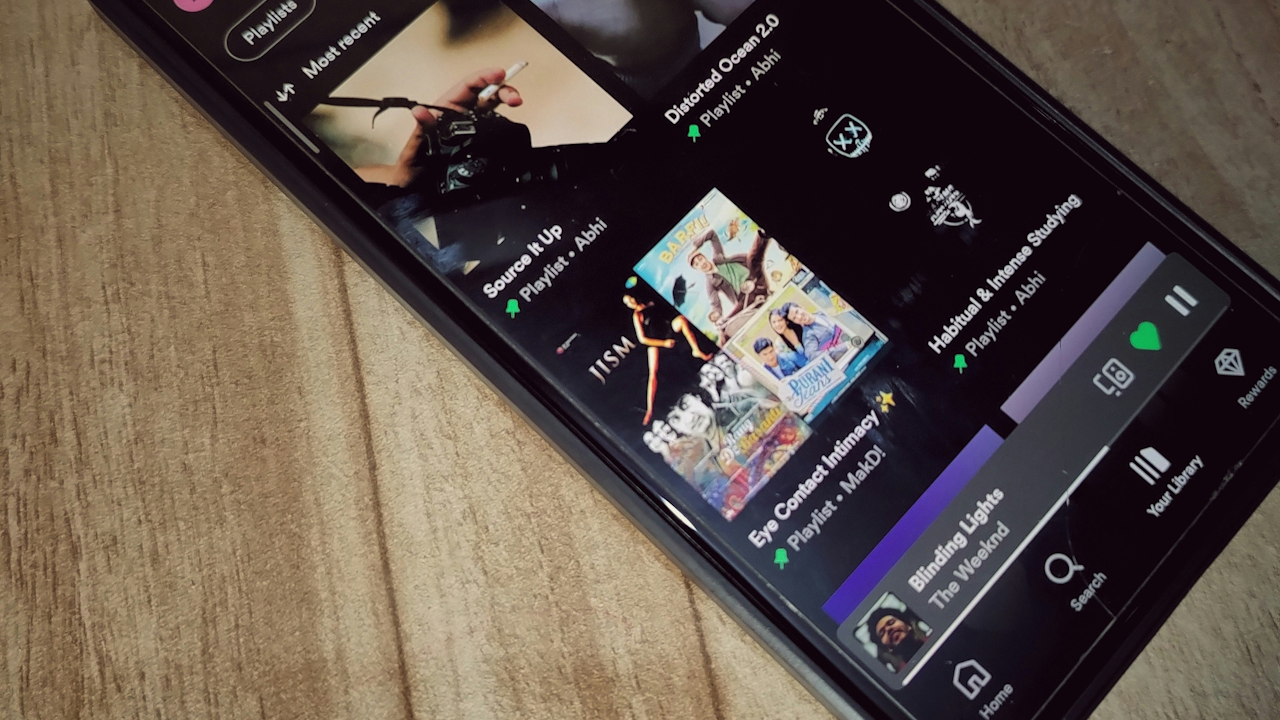
In the span of little more than a decade, the way people listen to music has undergone a quiet revolution. What once required tuning a dial, waiting through commercials, and hoping the next song would match your mood has been replaced by something far more personal and immediate. Playlists, those curated lists of songs assembled by algorithms, experts, or everyday users, have quietly stepped into the role once held by traditional radio stations. They deliver discovery, familiarity, and emotional connection on demand. This shift did not happen overnight, but its roots trace back to the collision of technology, consumer behavior, and the music industry’s relentless search for new ways to capture attention. Today, playlists command the airwaves that no longer exist in physical form, shaping tastes, launching careers, and redefining what it means to experience music in daily life.
To understand the transformation, it helps to look back at radio’s long reign. For most of the twentieth century, radio served as the primary gateway to popular music. Stations like WABC in New York or BBC Radio 1 in the United Kingdom dictated hits through carefully programmed rotations. DJs became cultural tastemakers, spinning records that could turn unknowns into superstars. Listeners gathered around living room sets or car dashboards, sharing a collective soundtrack that united families, teenagers, and commuters alike. Advertising revenue flowed steadily, and record labels depended on radio play to drive sales. The format was simple yet powerful: a blend of hits, new releases, and occasional deep cuts, interrupted by news, traffic reports, and sponsor messages. Radio created shared cultural moments, from the British Invasion in the 1960s to the rise of hip-hop in the 1980s and 1990s. It felt democratic and communal, even if the programming was tightly controlled by program directors chasing ratings.
Yet cracks began to appear by the late 1990s. The rise of the internet introduced file-sharing services such as Napster, which let users bypass radio entirely to access whatever songs they wanted. MP3 players and iPods followed, giving listeners portable control over their libraries. Traditional radio responded by tightening playlists and increasing commercial loads, but the damage was done. Younger audiences drifted away, complaining of repetition and intrusive ads. By the early 2000s, many stations had consolidated under large media conglomerates, further homogenizing content. Arbitron ratings, the industry’s measuring stick, showed steady declines in listenership among key demographics. Radio still reached millions, but it no longer felt essential. It had become background noise rather than a destination.
The real turning point arrived with the explosion of streaming services. Spotify launched in 2008 in Europe and reached the United States in 2011, offering a legal, subscription-based alternative to piracy. Apple Music, YouTube Music, Tidal, and others soon followed. These platforms did not simply store music; they organized it into endless, ever-changing collections. Early on, streaming services recognized that users wanted guidance amid millions of tracks. Rather than forcing people to build libraries from scratch, they introduced ready-made playlists. Some were genre-based, such as “RapCaviar” or “Today’s Hits.” Others were mood-oriented, like “Chill Hits” or “Focus.” A few were tied to activities, including “Workout Anthems” or “Road Trip.” The genius lay in their simplicity. No dial, no schedule, no waiting. Just tap, listen, and repeat.
What set playlists apart from radio was their adaptability. Traditional stations broadcast the same content to everyone tuned in at a given hour. Playlists, by contrast, could be tailored. Spotify’s algorithms analyzed listening habits, location, time of day, and even weather to suggest songs. Features such as Discover Weekly, launched in 2015, delivered a fresh 30-song playlist every Monday based on a user’s unique taste. It felt like having a personal DJ who never slept and never repeated tracks unnecessarily. Apple Music hired human curators, including former radio personalities and music journalists, to craft playlists with editorial flair. These lists often included liner notes or artist spotlights, echoing the storytelling role DJs once played. YouTube Music blended algorithmic recommendations with user-generated content, while TikTok’s short-form videos turned song snippets into viral phenomena that then fed back into longer playlists.
The data behind this shift tells a compelling story. By the mid-2020s, streaming accounted for more than 80 percent of music revenue in major markets, according to industry reports. Playlists drove a significant portion of that consumption. Songs added to prominent editorial playlists could see streams jump by hundreds of thousands or even millions within days. Independent artists who once relied on radio promoters now chased playlist placements with the same fervor. Labels hired “playlist strategists” whose job was to pitch tracks to curators at Spotify, Apple, and Amazon. Some independent services emerged solely to help artists secure spots on popular lists. The economics flipped: radio play still mattered for legacy acts and broad exposure, but playlist adds became the new metric of success, often translating directly into royalties and fan growth.
Several factors explain why playlists succeeded where radio faltered. First came convenience. Smartphones turned every moment into a listening opportunity. Commuters no longer needed a car radio; they could queue a playlist for their train ride or walk. Second came personalization. Algorithms learned preferences faster than any human programmer could. A user who loved indie rock one week might receive a folk-infused list the next, expanding horizons without effort. Third came discovery. Radio had always introduced new music, but its gatekeepers were limited by format and market research. Playlists removed those barriers. Obscure tracks from bedroom producers in distant countries could appear alongside chart-toppers if the data suggested a fit. Fourth came social sharing. Users created and published their own playlists, turning them into digital mixtapes for friends, dates, or online communities. Sharing a link felt more intimate than recommending a radio station. Finally came economics for listeners. Ad-supported tiers offered free access, while premium subscriptions removed interruptions entirely. Radio’s constant commercials began to feel archaic by comparison.
The impact on artists proved profound. For superstars like Taylor Swift or Drake, playlist dominance amplified already massive audiences. A single placement on “Today’s Hits” could add tens of millions of streams overnight. For emerging acts, playlists provided a lifeline. Consider the story of a young singer-songwriter who uploads a track to Spotify with modest initial traction. If it lands on a niche mood playlist such as “Sad Indie” or “New Music Friday,” the algorithm pushes it further, creating a snowball effect. Data from streaming platforms showed that playlist-driven discovery accounted for roughly 30 to 40 percent of new artist streams in recent years. Radio still played a role, especially in country, hip-hop, and pop formats, but its influence narrowed. Many stations now supplement their broadcasts with online playlists, blurring the lines further.
Critics have pointed out downsides to the playlist era. Algorithms can create echo chambers, feeding listeners more of what they already like while ignoring broader diversity. Human curators sometimes favor major-label acts with strong promotional budgets, leading to accusations of modern-day payola. Independent artists complain that visibility depends on opaque criteria and relationships rather than pure merit. Moreover, the sheer volume of playlists can overwhelm. With millions of user-generated lists competing for attention, standing out requires constant promotion across social media. Some worry that music itself has changed to suit playlist logic: shorter intros, hook-heavy structures, and consistent energy levels designed to keep listeners from skipping. Songs are now crafted with algorithms in mind, much as they once were written for radio rotations.
Despite these concerns, playlists have democratized music in ways radio never could. Anyone with a smartphone can curate a list and share it globally. Niche genres that once struggled for airtime, such as lo-fi beats, hyperpop, or regional folk traditions, found dedicated audiences through specialized playlists. During the global events of the early 2020s, mood-based lists helped people cope with isolation, work from home, or exercise indoors. Playlists became emotional companions, soundtracking everything from workouts to heartbreak to celebration. Their flexibility also allowed for cultural cross-pollination. A K-pop track might appear next to a Latin reggaeton hit on a global hits list, exposing listeners to sounds they might never have sought out deliberately.
Traditional radio has not disappeared entirely. In many regions, especially rural areas or developing markets, broadcast stations remain vital for news, local information, and community connection. Some have adapted by launching their own streaming apps and playlists, essentially becoming hybrid entities. SiriusXM and other satellite services offer niche channels that mimic playlist curation. Yet even these adaptations acknowledge the new reality: listeners expect control. The passive act of tuning in has given way to active selection, even if that selection is often guided by unseen recommendation engines.
Looking ahead, the evolution shows no signs of slowing. Artificial intelligence is already enhancing playlist creation, generating lists based on biometric data from wearables or voice commands. Voice assistants like Siri and Alexa can start a “relaxing evening” playlist without a single tap. Virtual reality concerts and immersive audio experiences may integrate playlists into three-dimensional soundscapes. At the same time, debates over artist compensation continue, with some calling for greater transparency in how playlist algorithms allocate streams. Platforms experiment with new formats, such as short-form audio clips or live DJ sessions that blend human curation with machine learning.
In the end, playlists represent more than a technological upgrade. They embody a fundamental change in how people relate to music. Radio fostered a shared cultural conversation, one that united strangers through the same songs at the same time. Playlists create countless parallel conversations, each tailored to an individual’s life. The result is a more fragmented yet more intimate listening landscape. Millions of micro-communities now exist around shared tastes, from hyper-specific “lo-fi for coding” lists to massive editorial juggernauts that move the global charts.
This transition carries lessons for both creators and consumers. Artists must think beyond singles and albums, crafting music that thrives in curated environments. Listeners gain unprecedented freedom but also bear responsibility for seeking variety rather than settling into algorithmic comfort zones. The music industry, meanwhile, must balance data-driven efficiency with the human spark that makes songs memorable in the first place.
Playlists did not kill radio; they absorbed its best qualities and discarded its limitations. They kept the discovery, the personality, and the emotional resonance while adding infinite choice and zero friction. In doing so, they became the soundtrack of modern life, one personalized track at a time. As streaming technology matures and cultural habits evolve, one truth remains clear: the power to shape what we hear has moved from the broadcast tower to the pocket. And in that shift lies the future of how the world experiences music.