

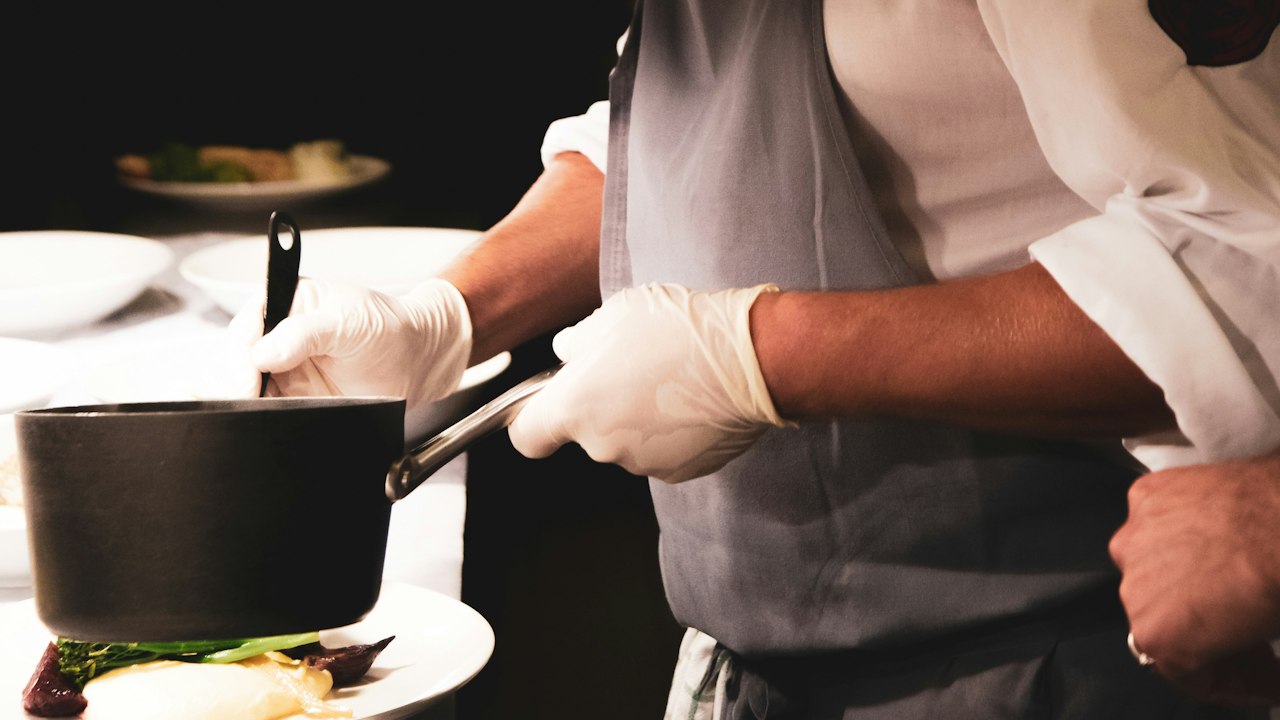
The culinary world has always thrived on creativity, intuition, and a deep understanding of ingredients. For centuries, chefs have relied on tradition, experimentation, and personal taste to craft dishes that delight the senses. Today, however, a new collaborator has entered the kitchen: artificial intelligence. Far from replacing human expertise, AI is emerging as a powerful tool that helps chefs explore uncharted flavor territories, streamline recipe development, and push the boundaries of innovation. Professional cooks at Michelin starred restaurants, experimental eateries, and even large food corporations are integrating AI into their workflows to generate ideas, refine concepts, and create entirely new recipes. This article explores the ways chefs are harnessing AI for recipe design, from foundational experiments a decade ago to cutting edge applications in 2026.
The integration of AI into recipe creation marks a significant shift in how food is conceptualized. Rather than starting from scratch with pen and paper or trial and error in the kitchen, chefs now input data such as available ingredients, dietary constraints, flavor profiles, or cultural inspirations into AI systems. These systems analyze vast databases of existing recipes, chemical compositions of foods, nutritional information, and even sensory data to suggest novel combinations. The result is not a finished dish handed over on a platter but a starting point that chefs refine with their skills, palate, and experience. This partnership accelerates the creative process while reducing waste and encouraging sustainability.
To understand the current landscape, it helps to look back at the origins of AI in the kitchen. One of the earliest and most influential examples came from IBM in the mid 2010s with Chef Watson. Developed in collaboration with chefs from the Institute of Culinary Education in New York, Chef Watson was an AI system trained on thousands of recipes from Bon Appetit magazine and scientific research on flavor chemistry. It used natural language processing and machine learning to identify synergies between ingredients based on their molecular profiles. Chefs like Michael Laiskonis and James Briscione would feed the system specific ingredients and a desired cuisine style, and Watson would propose unexpected pairings. The outcomes included dishes such as Russian beet salad with yellow tomato, cornichons, and prunes or Cuban lobster bouillabaisse featuring plantains, butternut squash, and jalapeno peppers. These ideas often surprised even seasoned professionals because they drew from data patterns that humans might overlook. In 2015, the team published a cookbook titled Cognitive Cooking with Chef Watson, which showcased recipes born from this human AI collaboration. Although the original Chef Watson platform is no longer widely available, its legacy lives on as proof that AI could serve as a creative sparring partner rather than a mere calculator.
Building on that foundation, modern AI tools have become far more accessible and sophisticated. Generative AI models like those powering ChatGPT have democratized recipe design for both home cooks and professionals. Chefs now use these systems not just for basic suggestions but for complex ideation that incorporates personal narratives, historical context, and thematic elements. A prime example is Grant Achatz, the acclaimed chef behind Alinea and Next in Chicago. For an upcoming menu at Next, Achatz experimented with ChatGPT by inventing fictional chef personas complete with backstories, influences, and culinary philosophies. One such persona, a chef named Jill, generated concepts like caviar infused creme fraiche ice cream served in a crisp wafer thin potato tuile shaped like an eggshell. Achatz and his team then prototyped, tested, and refined these AI inspired ideas in the kitchen, ultimately shaping a nine course tasting menu composed largely through this process. This approach treats AI as a brainstorming tool that expands possibilities while Achatz provides the human judgment to ensure balance, technique, and execution align with the restaurant’s high standards. Other restaurateurs have followed suit, using similar methods to develop seasonal menus or themed experiences that feel fresh and inventive.
Beyond individual chefs, entire restaurants and companies are embedding AI directly into their operations. In Dubai, the restaurant Woohoo has positioned itself as an artificial intelligence driven dining destination. There, AI systems work alongside human chefs to analyze how ingredients interact in terms of flavor melding, texture contrasts, and overall balance. The technology helps refine existing dishes and propose new ones by processing data on consumer preferences, ingredient availability, and sensory feedback. Chefs review the outputs and adapt them, creating a collaborative loop that enhances creativity without diminishing the human element. Similarly, spice company Spiceology employs an AI named REMI, which stands for Recipe Experimentation and Menu Inspiration. Trained on the brand’s extensive recipe database, REMI suggests innovative ways to incorporate their signature spices into new dishes. The name nods to the rat in the film Ratatouille, symbolizing a hidden guide that inspires rather than controls the chef’s hand. This tool has helped professional kitchens experiment efficiently and discover pairings that might otherwise require weeks of manual testing.
Food technology companies are also leveraging AI at scale for recipe innovation. NotCo, a Chilean firm specializing in plant based alternatives, uses a proprietary AI platform called Giuseppe to develop products that mimic the taste, texture, and functionality of animal derived foods. Giuseppe sifts through massive datasets of molecular structures, flavor compounds, and cooking behaviors to formulate recipes for items like NotMilk and NotBurger. The AI collaborates with chefs and food scientists, accelerating development and enabling partnerships with major brands such as Kraft Heinz. In a similar vein, Nestle has reported using AI to generate over 1300 product concepts in recent years. By analyzing data on health trends, sustainability metrics, and consumer tastes, the company reduced research and development timelines from months to weeks. These examples illustrate how AI is not limited to independent chefs but extends to corporate kitchens where speed and precision matter alongside creativity.
A variety of specialized AI tools have emerged to support chefs in their daily work. Platforms like ChefGPT allow users to input pantry items or dietary needs and receive tailored recipes instantly. It includes modes for meal planning, macro tracking, and even pairing suggestions. DishGen, developed by food blogger Andrew Olson, focuses on generating high quality recipes from scratch and has been praised for producing practical, tasty results such as crispy almond butter vegan cookies that outperformed traditional trial and error methods. Other applications integrate real time adjustments for scaling portions, substituting ingredients, or incorporating nutritional goals. Pastry chefs, for instance, use AI to analyze dairy free ice cream formulations by identifying common stabilizers and bases across successful recipes. These tools often draw on large language models trained specifically on culinary data, enabling them to explain the science behind techniques or compare methods from different cuisines, such as Mexican mole sauces versus Japanese curry roux.
The benefits of AI assisted recipe design are numerous and compelling. First, it fosters innovation by uncovering flavor combinations that defy conventional wisdom. AI can process millions of data points to recommend pairings like unexpected herbs with proteins or fruits with savory elements that humans might dismiss initially. Second, it promotes efficiency. Chefs facing tight deadlines or limited staff can generate dozens of concepts in minutes rather than hours, freeing time for execution and refinement. Third, sustainability gains are significant. AI helps minimize food waste by suggesting recipes based on what is already in stock or nearing expiration. It also supports environmentally conscious choices by optimizing for lower carbon footprint ingredients or aligning with seasonal availability. Fourth, personalization reaches new heights. Restaurants can create menus tailored to individual diners’ allergies, preferences, or health requirements, while large brands develop products that meet diverse wellness goals.
Despite these advantages, challenges remain, and chefs emphasize that AI complements rather than supplants human ingenuity. One major limitation is that AI lacks true sensory experience. It cannot taste, smell, or feel textures in real time, so outputs often require extensive testing and adjustment. A generated recipe might look promising on paper but fail in execution due to overlooked factors like cooking times, heat interactions, or cultural nuances. Overreliance on AI could lead to homogenized flavors if chefs do not infuse their unique perspectives. There is also the issue of data bias. AI systems trained on existing recipes may perpetuate common tropes or overlook underrepresented cuisines unless carefully curated. Privacy concerns arise when tools analyze personal dietary data, and intellectual property questions emerge around AI generated ideas. Many professionals stress the importance of a hybrid approach: use AI for ideation and data driven insights, but rely on human chefs for final approval, plating artistry, and storytelling that connects dishes to emotion and heritage.
Looking ahead, the role of AI in recipe design is poised to expand further. Future developments may include more advanced multimodal systems that incorporate visual analysis of plated dishes or real time feedback from smart kitchen appliances. Imagine AI monitoring a simmering sauce and suggesting mid process tweaks based on aroma sensors or temperature data. Integration with virtual reality could allow chefs to simulate flavor profiles before physical testing. In professional settings, AI might assist with menu engineering by predicting which dishes will sell based on trends, weather, or social media sentiment. For home cooks and smaller operations, AI could evolve into interactive coaches that guide through steps while adapting to skill levels. Overall, experts predict that AI will democratize high level culinary creativity, making sophisticated techniques accessible while elevating the standards for what constitutes an innovative dish.
In conclusion, chefs are using AI to design recipes in ways that honor tradition while embracing progress. From IBM’s pioneering Chef Watson to contemporary experiments by visionaries like Grant Achatz and restaurants like Woohoo, the technology serves as an amplifier of human talent. It opens doors to flavors once unimaginable, streamlines the creative process, and addresses practical concerns like waste and nutrition. Yet the essence of cooking remains deeply human: the joy of discovery, the satisfaction of a perfectly balanced bite, and the connection forged through shared meals. As AI continues to evolve, it will likely deepen rather than diminish the art of the chef. The kitchen of tomorrow will not be run by machines alone but by a dynamic partnership where technology sparks ideas and skilled hands bring them to life on the plate. This collaboration promises a richer, more diverse, and more sustainable culinary future for everyone who loves food.