

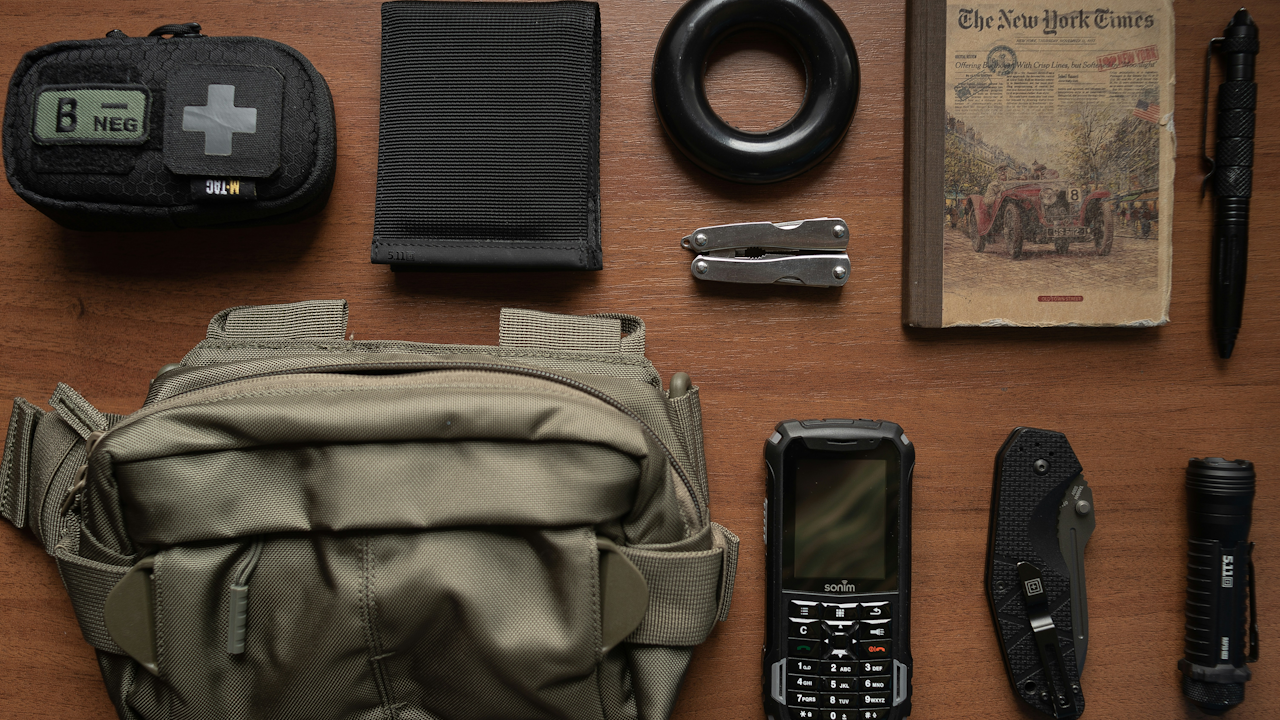
An emergency go-bag, also known as a bug-out bag or evacuation kit, is a carefully assembled collection of essential supplies packed into a portable container. It is designed to sustain you and your family for at least 72 hours during sudden crises such as natural disasters, power outages, civil unrest, or forced evacuations. The primary goal is to enable quick departure from your home when time is limited and resources may become unavailable. Having a well-stocked go-bag can mean the difference between safety and hardship in unpredictable situations.
Emergencies strike without warning. Floods, wildfires, earthquakes, hurricanes, or even infrastructure failures can force you to leave immediately. Relying on stores or government aid during such events is risky because supply chains often collapse and roads become impassable. A properly prepared go-bag provides independence, reduces panic, and increases your chances of survival and comfort until normal conditions return or you reach a secure location.
This comprehensive guide walks through every step of building an effective go-bag. It covers bag selection, core item categories with detailed recommendations, customization tips, packing strategies, and ongoing maintenance. Whether you are preparing for a single person or an entire family, these principles will help you create a reliable kit tailored to your needs.
Why Every Household Needs a Go-Bag
Disaster preparedness experts from organizations like FEMA and the Red Cross consistently recommend having evacuation supplies ready. Statistics from past events show that people with pre-packed kits fare better. During Hurricane Katrina in 2005, many residents who evacuated quickly with basic supplies avoided the worst outcomes. Similarly, in California wildfires, those with go-bags grabbed essentials and left faster, minimizing property loss and health risks.
A go-bag is not about paranoia but about practical resilience. Modern life depends on electricity, running water, and grocery stores. When these systems fail, self-reliance becomes critical. Building a go-bag encourages you to assess your vulnerabilities, such as living in a flood-prone area or having young children, and plan accordingly. It also serves as a foundation for broader emergency preparedness, including home stockpiles and family communication plans.
Choosing the Right Bag
The foundation of any go-bag is the container itself. Select a bag that is durable, comfortable to carry, and appropriately sized. Aim for something between 40 and 70 liters for most adults. This capacity allows enough room for three days of supplies without becoming too heavy.
Consider these key features when shopping for a bag:
- Material: High-denier nylon or polyester with water-resistant coatings. Look for reinforced stitching and heavy-duty zippers.
- Comfort: Padded shoulder straps, a sternum strap, and a waist belt to distribute weight. Internal frames help with heavier loads.
- Compartments: Multiple pockets and dividers for organization. External attachment points for items like sleeping pads or tools.
- Color: Bright or high-visibility colors for rescue situations, though subdued tones may suit urban environments better.
- Size and weight: Test the empty bag by wearing it. It should not exceed 25 to 35 pounds when fully packed for most people. Heavier loads can slow you down or cause injury.
Popular options include tactical backpacks, hiking backpacks, or rolling duffel bags for those with mobility concerns. Avoid suitcases with wheels if you anticipate rough terrain. For families, designate one main bag per adult and smaller daypacks for children. Consider modular systems where items can be transferred between bags.
Store the bag in an accessible location near an exit, such as a hall closet or garage. Protect it from dust and pests by using a waterproof cover if needed.
Core Categories of Items
Organize your go-bag by categories to ensure nothing critical is overlooked. Each section below includes recommended quantities and rationale. Prioritize lightweight, multi-purpose items that serve several functions.
Water and Hydration
Water is the most vital resource. Humans can survive only three days without it. Plan for at least one gallon per person per day, though carrying that much is impractical in a mobile bag. Focus on purification methods and portable supplies.
- Collapsible water containers or hydration bladders: 2 to 4 liters per person.
- Water purification tablets or drops: Enough for 10 to 20 liters.
- Portable water filter or straw-style purifier: Capable of removing bacteria and protozoa.
- Metal water bottle or canteen: For boiling water over a fire.
- Electrolyte packets: To replace salts lost through sweat or stress.
Store water in durable, BPA-free containers. Rotate bottled water every six months to keep it fresh. Include a small pot or metal cup for boiling if space allows.
Food and Nutrition
Pack non-perishable, high-energy foods that require no cooking. Target 2,000 to 3,000 calories per person per day, emphasizing compact, nutrient-dense options.
- Energy bars or granola bars: 6 to 9 per person.
- Nut butters or trail mix in sealed pouches: High in fats and proteins.
- Dehydrated meals or instant oatmeal: Lightweight and easy to rehydrate.
- Canned goods with pull-tabs: Tuna, beans, or fruit in small sizes.
- Jerky or hard cheeses in vacuum-sealed packaging.
- Multivitamins and protein powder packets.
Choose foods with long shelf lives and minimal packaging waste. Avoid items that melt or spoil easily. Include a manual can opener and eating utensils like a spork. For infants or those with dietary restrictions, pack formula, baby food, or specialized items.
Shelter and Warmth
Exposure to the elements can kill faster than lack of food. Prepare for various weather conditions.
- Emergency mylar blankets or sleeping bags: Compact and rated for low temperatures.
- Tarp or lightweight tent: For basic protection from rain and wind.
- Poncho or rain jacket: Waterproof and breathable.
- Extra clothing layers: Wool socks, thermal underwear, gloves, hat, and scarf.
- Hand warmers or chemical heat packs: For immediate warmth.
Focus on items that pack small but expand for use. Wool and synthetic fabrics retain warmth even when wet, unlike cotton.
Clothing and Personal Items
Pack versatile clothing that can handle rugged conditions.
- Two changes of underwear and socks.
- Durable pants and long-sleeve shirts.
- Sturdy boots or shoes if not wearing them daily.
- Bandanas or multi-use cloths: For filtering, signaling, or first aid.
- Sunglasses, hat, and sunscreen.
Include hygiene basics: Toothbrush, toothpaste, soap, hand sanitizer, toilet paper, feminine products, and a small towel. Pack items in waterproof bags to prevent moisture damage.
First Aid and Medical Supplies
Injuries are common during evacuations. A comprehensive kit addresses minor to moderate issues.
- Adhesive bandages in various sizes.
- Gauze pads, roller bandages, and medical tape.
- Antiseptic wipes, antibiotic ointment, and hydrogen peroxide.
- Pain relievers like ibuprofen and acetaminophen.
- Prescription medications: At least a 7-day supply plus extras.
- Tweezers, scissors, safety pins, and a thermometer.
- CPR mask, gloves, and any personal medical needs such as inhalers or EpiPens.
- First aid manual or laminated instruction cards.
Customize for family members with allergies, chronic conditions, or mobility issues. Check expiration dates regularly and replenish as needed.
Tools and Multi-Purpose Items
Versatile tools increase problem-solving capability.
- Fixed-blade knife or multi-tool with pliers, screwdriver, and blade.
- Duct tape and paracord: 50 feet each for repairs and shelter building.
- Headlamp or flashlight with extra batteries.
- Fire starter kit: Waterproof matches, lighter, and cotton balls soaked in petroleum jelly.
- Compass and map of your local area.
- Whistle for signaling.
- Small repair kit with sewing supplies, zip ties, and super glue.
Avoid overly heavy tools. A good multi-tool replaces many single-purpose items.
Navigation and Communication
Knowing your location and staying informed is crucial.
- Printed maps and local road atlases.
- Portable radio with NOAA weather band and hand-crank power.
- Backup phone charger: Solar or hand-crank.
- List of emergency contacts and meeting points.
- Cash in small denominations and coins for vending machines.
- Notepad and pen for notes.
Power banks should be kept charged and rotated. Include copies of important documents in waterproof sleeves.
Important Documents and Identification
Protect your identity and records.
- Copies of driver’s license, passport, birth certificates, and insurance cards.
- Medical records, vaccination history, and medication lists.
- Bank account information and emergency contact numbers.
- Family photos for identification if separated.
- Wills, deeds, and financial documents in digital or paper form.
Store these in a waterproof, fire-resistant pouch. Consider a USB drive with scanned copies.
Miscellaneous and Specialized Items
Fill gaps based on your situation.
- Dust masks or N95 respirators for smoke or debris.
- Insect repellent and treatment for bites.
- Garbage bags for waste or makeshift shelter.
- Fishing line, hooks, and basic snares for foraging.
- Pet supplies if applicable: Food, leash, carrier, and medications.
- Entertainment items like books or cards for morale, especially with children.
For urban environments, add lock-picking tools or pry bars if legal. For rural areas, emphasize foraging and navigation gear.
Customization for Different Needs
No single go-bag fits everyone. Tailor yours to specific risks and household composition.
For families: Create individual smaller bags for children with comfort items. Include games or stuffed animals to reduce stress. Plan for carrying infants with slings or carriers.
For urban dwellers: Focus on mobility through crowds, public transport alternatives, and self-defense items like pepper spray where permitted.
For rural or wilderness settings: Emphasize fire-making, water sourcing, and signaling for rescue.
For elderly or disabled individuals: Prioritize lighter loads, mobility aids, and medical extras. Rolling bags or carts may be necessary.
Consider seasonal adjustments. In winter, add more insulation. In summer, increase water and sun protection. Account for pets by preparing dedicated supplies.
Assess local threats. Coastal residents might need flotation devices, while earthquake-prone areas should include dust masks and sturdy shoes.
Packing Strategies and Weight Management
Organize items logically. Place frequently used items in outer pockets. Heavy items should sit close to your back and higher up for better balance.
Use compression sacks or vacuum bags to reduce volume. Group similar items together and label compartments. Practice packing and unpacking your bag to build familiarity.
Test the total weight by wearing the packed bag on a short hike. If it feels too heavy, remove non-essentials or distribute items among family members. Remember the rule of threes: You can survive three hours without shelter in bad weather, three days without water, and three weeks without food. Prioritize accordingly.
Maintenance and Regular Checks
A go-bag is not a set-it-and-forget-it solution. Schedule quarterly reviews.
- Check expiration dates on food, medications, and batteries.
- Replace worn clothing or damaged gear.
- Update documents and contact information.
- Rotate perishable items into daily use and replenish.
- Reassess based on changing family needs or new threats.
Store the bag away from extreme temperatures and moisture. Consider duplicate kits for vehicles or workplaces.
Train with your family. Conduct drills where you grab the bag and simulate evacuation. Teach children basic skills like using a flashlight or signaling for help.
Common Mistakes to Avoid
Many people overpack sentimental items or underestimate weight. Focus on utility over comfort initially. Others neglect water purification, assuming bottled water will suffice. Always verify gear functionality before relying on it. Ignoring local regulations, such as restrictions on knives or firearms, can create legal issues.
Do not make your bag so comprehensive that it becomes immobile. Start simple and build over time.
Conclusion
Building an emergency go-bag is an empowering step toward personal and family resilience. By investing time and modest resources now, you create a safety net for uncertain times. This guide provides a solid framework, but the best kit is one you personalize through research and practice.
Start today by selecting a bag and gathering the most critical items: water, food, first aid, and documents. Gradually expand as your budget and knowledge allow. Preparedness is a continuous journey that brings peace of mind. In a crisis, your future self will thank you for the foresight and effort invested in this essential survival tool. Stay informed, stay ready, and protect what matters most.