

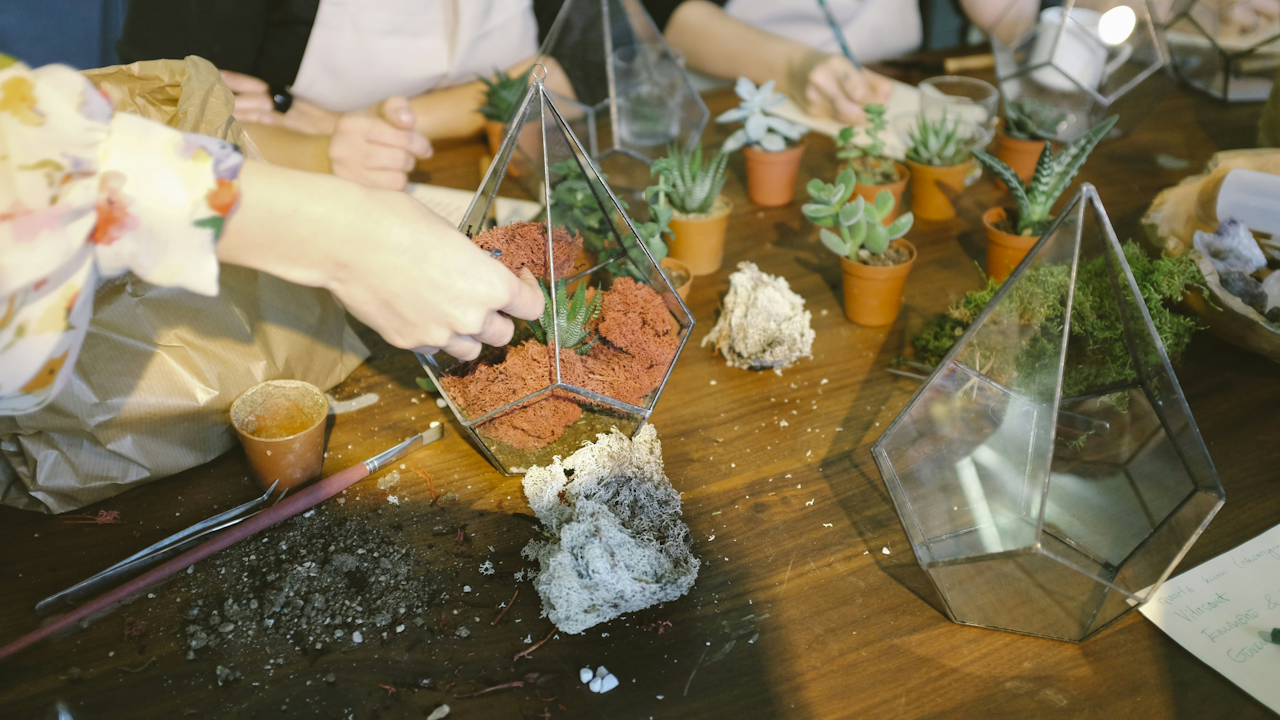
Terrariums offer a wonderful way to bring a slice of nature indoors. These miniature ecosystems encapsulate plants, soil, and sometimes small creatures within glass enclosures. They create self-sustaining environments that require minimal care once established. Making your own terrarium from recycled glass containers stands out as an accessible and environmentally conscious project. It repurposes items that might otherwise end up in landfills while fostering creativity and a deeper connection to the natural world. This article explores everything you need to know to craft beautiful DIY terrariums using recycled glass.
The appeal of terrariums lies in their versatility and low maintenance. They suit apartments with limited space, busy professionals seeking a touch of greenery, and families looking for educational activities. By choosing recycled glass, you reduce waste and give new life to jars, bottles, and other containers. Glass proves ideal because it allows light to pass through while retaining moisture and creating a humid microclimate perfect for many plants. Recycled pieces often feature unique shapes, colors, and textures that add character to your creations.
Benefits of Using Recycled Glass for Terrariums
Repurposing glass containers promotes sustainability. Plastic alternatives can leach chemicals over time, but glass remains inert and safe for plants. Many households already possess suitable items like old fish bowls, mason jars, wine bottles, or even large pickle jars. Cleaning and transforming these into terrariums diverts materials from waste streams.
Recycled glass terrariums also encourage mindfulness about consumption. Each project tells a story of reuse. A simple jam jar becomes a lush fern habitat. An old aquarium transforms into a desert scene. This approach saves money compared to buying specialized terrarium kits or new glass vessels. It sparks ingenuity as you adapt containers of varying sizes and openings to different designs.
Furthermore, these projects support biodiversity on a small scale. Terrariums demonstrate closed-loop systems where water cycles through evaporation and condensation. They teach principles of ecology, such as the roles of drainage layers, activated charcoal, and appropriate plant choices. Children and adults alike gain satisfaction from watching their miniature worlds thrive.
Gathering Materials for Your Recycled Glass Terrarium
Start by collecting your glass base. Suitable options include clear glass jars with lids, wide-mouthed bowls, bottles with narrow necks, apothecary jars, or even repurposed light fixtures. Ensure the glass is clean and free of cracks. Wash thoroughly with hot soapy water and rinse well. For stubborn residues, soak in a vinegar solution before scrubbing.
Next, assemble the internal components. You need:
- Drainage material such as small pebbles, gravel, or recycled broken pottery shards. These prevent waterlogging.
- Activated charcoal to filter impurities and control odors. This step is crucial for closed terrariums.
- Potting soil or a specialized terrarium mix. Aim for lightweight, well-draining blends.
- Plants suited to the environment. More on this later.
- Decorative elements like moss, small stones, twigs, or figurines for visual interest.
- Tools including a funnel for narrow openings, long tweezers or chopsticks for placement, a spray bottle for misting, and scissors for trimming.
Optional items include sphagnum moss for moisture retention and decorative sand layers for aesthetic appeal.
Selecting the Right Recycled Glass Container
The choice of container influences the type of terrarium you create. Wide openings make planting easier but may require more frequent watering. Narrow necks create sealed environments with higher humidity but demand careful planting techniques.
Consider size too. Small jars suit desk displays or single plants. Larger vessels allow for diverse plant communities and miniature landscapes. Clear glass maximizes light penetration, while tinted or frosted options add artistic flair though they might limit plant choices to those tolerant of lower light.
Inspect containers for safety. Avoid those previously holding toxic substances. Food-grade glass works best. If using bottles, consider cutting them if you possess the tools, but many designs work with intact vessels.
Types of Terrariums You Can Build
Terrariums generally fall into two categories: open and closed.
Open terrariums mimic arid or temperate environments. They use containers without lids or with wide tops. These suit succulents, cacti, and air plants. Air circulation prevents mold but necessitates more regular watering.
Closed terrariums replicate rainforests. Lids or tight seals maintain high humidity. Ferns, mosses, and tropical plants flourish here. Once balanced, they need little intervention as moisture recycles internally.
You can also create themed designs. Desert scenes feature sandy soils and drought-tolerant species. Woodland terrariums incorporate moss and small ferns. Aquatic or semi-aquatic versions might include small water features using recycled glass elements.
Step-by-Step Guide to Building a DIY Recycled Glass Terrarium
Follow these steps for a successful build. Adapt as needed for your container.
- Prepare the base. Add a layer of drainage material about one to two inches deep. For narrow containers, use a funnel to pour pebbles evenly.
- Include a charcoal layer. Spread a thin layer of activated charcoal over the drainage. This absorbs excess moisture and toxins.
- Add a barrier. Place a sheet of sphagnum moss or landscape fabric to separate soil from lower layers. This prevents soil from sifting down.
- Add soil. Pour in your potting mix. Create varying depths for interest, building small hills or valleys. Leave enough space for plant roots.
- Plant your selections. Remove plants from nursery pots gently. Tease apart roots if needed. Position taller plants toward the back. Use tools to dig holes and firm soil around roots. For tight spaces, lower plants with tweezers or string loops.
- Incorporate moss and decor. Tuck moss around plant bases to retain moisture. Arrange stones, twigs, or other elements to create pathways or focal points.
- Mist thoroughly. Use a spray bottle to water until soil feels moist but not soggy. Avoid overwatering at this stage.
- Seal or leave open. For closed systems, wipe glass interiors clean and secure the lid. Place in indirect light.
Allow the terrarium to settle for a few days. Monitor for condensation or wilting and adjust as necessary.
Choosing Plants for Recycled Glass Terrariums
Plant selection determines long-term success. Match species to the container environment.
For closed terrariums, opt for humidity-loving plants:
- Ferns such as maidenhair or button fern.
- Moss varieties including sheet moss or cushion moss.
- Peperomia species.
- Fittonia (nerve plant) for colorful foliage.
- Small orchids or bromeliads in some cases.
Open terrariums thrive with:
- Succulents like jade, echeveria, or haworthia.
- Cacti in various forms.
- Air plants (tillandsia) that require no soil.
- Herbs such as thyme or moss rose for fragrance.
Consider growth habits. Slow-growing, compact plants prevent overcrowding. Mix textures and colors for visual depth. Research light and water needs to ensure compatibility.
Avoid invasive or fast-spreading species that might overwhelm the space. Source plants from local nurseries or propagate your own from cuttings to keep costs low.
Creative Ideas and Variations
Personalize your terrariums with themes. Create a fairy garden using tiny figurines and colorful pebbles in a large bowl. Build a beach scene with sand layers and seashells in a wide jar.
Layered designs enhance appeal. Alternate soil colors or add thin sand strata visible through the glass. Hanging terrariums from recycled glass bottles add vertical interest to small spaces.
For advanced projects, combine multiple containers into a collection. Group terrariums of varying heights and shapes on a windowsill or shelf for an eye-catching display.
Incorporate bioluminescent elements or small LED lights for nighttime ambiance, though keep electronics minimal to maintain the natural feel.
Maintenance and Care Tips
Proper care keeps your terrarium vibrant. Position in bright indirect light. Direct sun can overheat closed systems, while low light starves plants.
Monitor moisture. Closed terrariums rarely need water after initial setup. Open ones require misting when soil dries. Use distilled or rainwater to avoid mineral buildup.
Prune overgrown plants to maintain proportions. Remove dead leaves promptly to prevent decay.
Watch for pests or mold. Good airflow and balanced watering minimize issues. If problems arise, remove affected parts and adjust conditions.
Over time, refresh soil or replant as needed. Terrariums can last years with attentive care.
Troubleshooting Common Issues
Yellowing leaves often signal overwatering or poor drainage. Reduce moisture and check lower layers.
Wilting may indicate underwatering or excessive heat. Adjust placement and mist accordingly.
Algae or mold growth suggests too much moisture or light. Clean affected areas and improve ventilation.
Cloudy glass results from mineral deposits. Wipe interiors carefully with a vinegar solution.
If plants outgrow the space, propagate cuttings for new terrariums or thin the arrangement.
Expanding Your Terrarium Hobby
Once comfortable with basic builds, experiment with larger ecosystems. Introduce springtails or isopods for natural cleanup crews in closed systems. These tiny invertebrates break down organic matter and aerate soil.
Share your creations by gifting terrariums or hosting workshops. Document the process with photos to inspire others in sustainable crafting.
Explore advanced techniques like building your own glass containers if you develop an interest in glassworking. Otherwise, continue sourcing unique recycled pieces from thrift stores, flea markets, or community swaps.
Conclusion
DIY terrariums using recycled glass blend creativity, sustainability, and horticulture into rewarding projects. They transform ordinary household items into living art that purifies air, reduces stress, and educates about ecosystems. Whether crafting a simple jar garden or an elaborate landscape, the process offers joy and accomplishment.
Start small with items you already own. Gather materials, follow the steps, and watch your miniature world flourish. As you gain confidence, your terrariums will evolve into unique expressions of personal style and environmental stewardship. Embrace the endless possibilities of recycled glass and bring nature’s beauty into your home one terrarium at a time.