

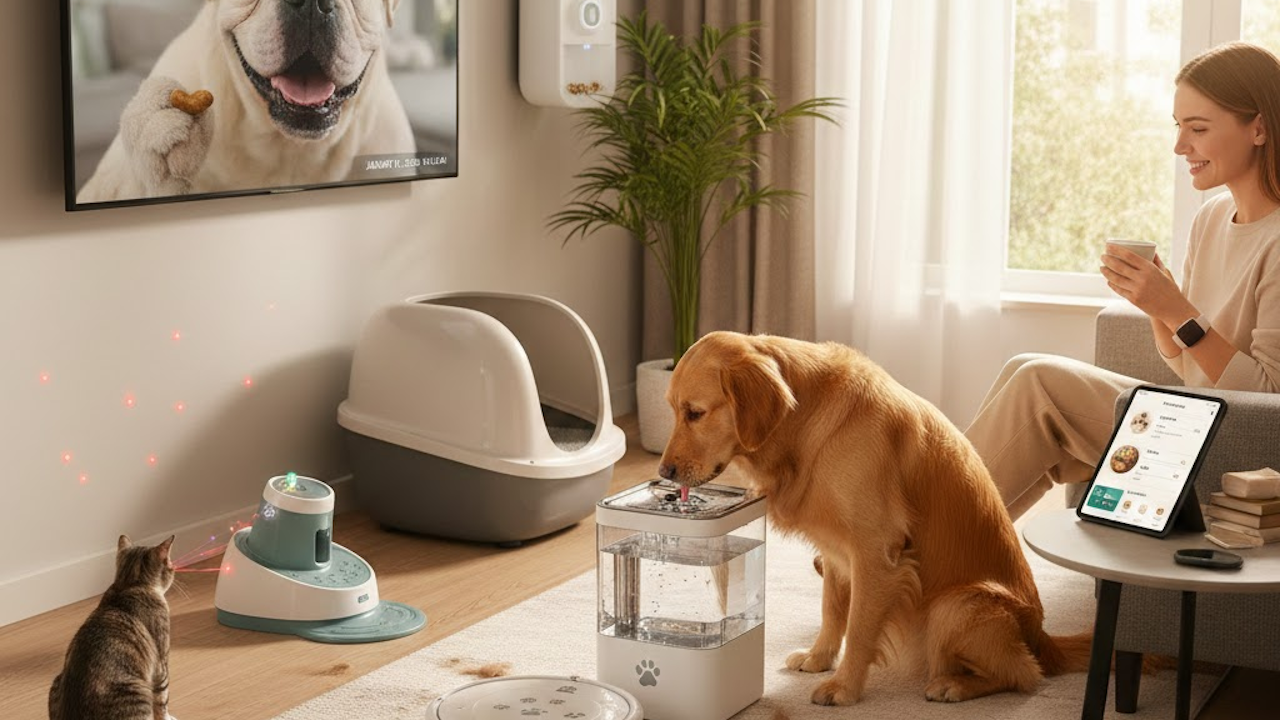
In today’s busy world, many pet owners balance demanding jobs, travel, family responsibilities, and social commitments while striving to give their dogs and cats the attentive care they deserve. Traditional routines like scheduled feedings, daily litter scooping, constant monitoring for health changes, and ensuring safe playtime often create stress and guilt. Smart gadgets powered by apps, sensors, cameras, and automation have changed that dynamic. These tools handle repetitive tasks, deliver real-time insights, and allow remote interaction, helping pets stay healthy, happy, and secure even when owners are away for hours or days.
Technology does not replace the human bond, but it augments it by reducing daily friction and catching potential issues early. Automatic feeders ensure consistent nutrition without rushing home. Self-cleaning litter systems eliminate unpleasant chores. Cameras and trackers provide eyes and ears on pets from anywhere. Health monitors track subtle changes in activity or vital signs. Water fountains encourage hydration. Air purifiers and grooming aids tackle odors and shedding. Together, these innovations make pet care more reliable, less time-consuming, and more data-informed.
This article examines the most practical and popular gadgets available in 2026, drawing on expert testing and real-world performance. It covers how they work, their advantages for busy households, specific product examples, and important considerations such as cost, pet acceptance, and maintenance.
Automated Feeding Solutions
One of the most common pain points for pet owners is maintaining consistent meal times, especially with multiple pets or irregular schedules. Automatic pet feeders solve this by dispensing pre-measured portions at programmed intervals, often with app control from a smartphone. Many models include cameras so owners can verify that their pet actually ate and spot any changes in appetite that might signal illness.
The Petlibro Granary Smart Camera Feeder stands out in independent tests for its accuracy and monitoring capabilities. It uses a hopper system with precise volume-based dispensing that maintains consistency across different kibble sizes. The downward-facing camera offers live views and recordings, helping owners confirm feeding sessions or check for issues like food blockage. The companion app allows scheduling multiple meals per day, sends alerts for low food levels or power problems, and includes a secure lid design that keeps portions fresh and deters determined pets from stealing extra food. Battery backup ensures meals continue during outages.
Another strong option is the Pawsync Smart Pet Feeder, which takes precision further with a built-in scale for weight-based portions rather than volume alone. This compensates automatically if a pet leaves food behind or if kibble density varies. The app tracks eating speed and leftovers, offering insights into habits that can support weight management or dietary adjustments recommended by veterinarians. It performs well for pets needing strict portion control.
Budget-conscious owners can consider simpler models like the PitPet or Papifeed feeders. These provide reliable scheduled dispensing through basic controls or entry-level apps without cameras or advanced analytics. They suit households testing the concept before investing more.
For wet food enthusiasts, devices such as the Petlibro Polar Wet Food Feeder keep refrigerated portions cold for multiple days using insulated designs and quiet motors. This is particularly helpful for cats that prefer fresh wet meals or for owners managing prescription diets.
The benefits extend beyond convenience. Consistent feeding reduces begging behaviors and anxiety around mealtimes. Portion accuracy supports healthy weight, a major factor in preventing obesity-related conditions common in dogs and cats. Remote monitoring catches early signs of reduced appetite, which can indicate dental pain, gastrointestinal issues, or other health concerns. For multi-pet homes, some systems allow individual scheduling or camera verification to ensure each animal receives its share.
When choosing a feeder, evaluate hopper capacity for your pet’s daily needs, compatibility with your specific kibble or wet food type, and Wi-Fi reliability in your home. Test any camera model for clear night vision if your pet eats in low light. Regular cleaning of the dispensing mechanism prevents jams, and most units require periodic hopper refills and battery checks. While premium models with cameras and scales cost more upfront, many owners report long-term savings through reduced vet visits tied to diet-related problems and less wasted food.
Smart Hydration Systems
Cats in particular are prone to urinary tract issues partly because they drink insufficient water. Traditional bowls often lead to stale water that discourages drinking. Smart pet fountains address this with circulating, filtered water that stays fresh and appealing.
Wireless models like the Petcube Wireless Smart Fountain combine portability with advanced filtration, including multiple layers and UV-C sterilization in some designs. They feature motion sensing to activate bubbling only when needed, extending battery life, and app integration for control and filter replacement reminders. The nearly silent operation makes them suitable for bedrooms or quiet homes.
These fountains typically hold 1 to 2 liters, reducing refill frequency compared to bowls. The continuous gentle flow mimics natural water sources, encouraging pets to drink more. Filters remove impurities, hair, and debris while some units add oxygenation. App alerts notify owners when water levels drop or filters need changing.
For households with dogs that splash or multiple pets, larger capacity fountains with wider basins work well. Some integrate with smart home systems for voice commands. Maintenance involves regular filter changes and occasional deep cleaning of the pump and basin to prevent mold or mineral buildup. The initial investment pays off through better hydration, which supports kidney health and reduces litter box odor from concentrated urine.
Self-Cleaning Litter Boxes
For cat owners, scooping litter ranks among the least favorite chores. Automatic litter boxes automate waste separation and containment, often using sensors to detect when a cat has finished and delay the cleaning cycle to avoid startling the animal.
Several models excel in 2026 reviews. The Whisker Litter-Robot series, including updated versions, uses a rotating or raking mechanism to sift clumping litter, depositing waste into a sealed drawer. The app logs usage frequency and weight changes per cat, which can reveal patterns like increased visits that might indicate urinary problems. It supports multi-cat households and offers features such as “Do Not Disturb” modes during sleep hours.
Petkit models, such as the Purobot Max Pro 2 and PuraMax 2, incorporate cameras with AI cat recognition in higher-end versions. They track individual cat activity, provide waste bag sealing for odor control, and offer large waste capacities that last weeks for single cats. Rotating designs sift waste efficiently while compatible with various clumping litters. Some include periodic deodorizing sprays or multiple odor cartridges.
Budget or simpler options like certain Lesure or PetSafe models provide open-top designs with reliable sensors and easy tray disposal without full app ecosystems.
These systems dramatically cut daily maintenance. Sealed compartments and odor-control features keep homes fresher. Usage data helps owners and veterinarians monitor litter box habits for early health detection. Many cats adapt quickly once introduced gradually, though some prefer open designs or need time to adjust to mechanical sounds.
Considerations include initial cost, which ranges from a few hundred dollars for basic models to over $800 for premium AI-equipped units. Power dependency means having a backup plan during outages. Waste drawer emptying and occasional deep cleaning remain necessary. Some units have faced sensor issues or safety questions in certain designs where the entrance closes during cycles; thorough reviews and gradual introduction help mitigate concerns. For multi-cat homes, larger capacity and individual tracking features prove especially valuable. Pairing with a traditional backup box during transition or travel adds security.
Pet Cameras and Remote Interaction
Seeing and interacting with pets from afar brings reassurance and reduces separation anxiety for both sides. Modern pet cameras offer high-resolution video, night vision, two-way audio, and motion alerts, with some adding treat-dispensing or AI analysis.
The Petcube 360 Cam provides comprehensive coverage with panning, tilting, and zoom capabilities plus a physical privacy shutter. AI-powered alerts describe detected activities or sounds, such as unusual movement or barking, while cloud storage options preserve footage. Two-way talk allows owners to calm pets remotely.
Furbo 360-Degree models stand out for treat-tossing functionality, letting owners reward good behavior or distract during stressful moments like storms. Descriptive AI notifications identify specific actions, making it easier to understand what the pet is doing without constant monitoring. Both dog and cat versions exist, with attachments for feline play.
These cameras help owners check on pets during workdays, verify that automatic feeders or litter boxes functioned correctly, and intervene if issues arise, such as a pet appearing lethargic or stuck. For puppies or seniors, frequent check-ins support training or medication reminders. Some integrate with smart home platforms for automated responses.
Privacy features like shutters and local storage address concerns about always-on home surveillance. Subscription services often unlock advanced AI alerts and longer cloud retention. Placement matters: secure mounting prevents tipping, and clear sightlines to key areas like feeding stations or beds maximize value. Testing audio and night vision before relying on them ensures effectiveness.
GPS Trackers and Activity Monitors
Losing a pet ranks among the greatest fears for owners. GPS-enabled collars and tags provide real-time location tracking, geofencing alerts, and often additional health or behavior data.
Tractive devices offer robust GPS with virtual fence creation around home or yard boundaries. Escape alerts notify owners immediately if a pet crosses the line. Advanced versions monitor heart and respiratory rates, barking, and activity levels, helping assess overall wellness during walks or rest. The app suggests local routes and connects with other pet owners.
Fi Series trackers emphasize long battery life and detailed habit tracking, including licking, scratching, drinking, and sleep patterns alongside location. Breed-specific activity goals and durable, waterproof designs suit active dogs of various sizes. Some support Apple Watch integration for quick glances.
For cats, compact breakaway collar options from brands like Petcube combine GPS with lightweight profiles and LED visibility for nighttime safety.
These tools deliver peace of mind for free-roaming cats, adventurous dogs, or pets in homes near busy roads. Geofencing prevents prolonged searches after escapes. Activity and vital sign data support fitness goals or early detection of mobility changes in aging pets. Some models integrate with veterinary telehealth for context during checkups.
Subscriptions are common for full GPS and advanced analytics, typically monthly. Battery life varies from days to months depending on usage and settings. Proper collar fit prevents irritation, and testing in known areas confirms accuracy before relying on it for travel or off-leash activities. Waterproofing and durability matter for outdoor pets.
Health Monitoring Wearables and Broader Wellness Tools
Beyond location, dedicated health trackers and hybrid devices provide deeper insights. Wearables like certain Fi or Tractive models, along with options from PetPace or Whistle, monitor activity, sleep quality, and in some cases heart rate or respiratory patterns. They generate wellness scores and flag anomalies that might warrant a vet visit.
For homes with significant pet dander or odor, self-cleaning air purifiers such as the Dreame FP10 target airborne particles and smells directly. Hybrid designs combine pet beds with purification for localized air cleaning. Grooming vacuums like the Neakasa S1 Pro gently remove loose fur during brushing sessions, reducing household shedding and making coat maintenance less messy.
Interactive toys, including robotic balls with cameras or app-controlled lasers and treat dispensers, combat boredom for pets left alone. These encourage mental stimulation and physical activity, supporting behavioral health.
Choosing and Implementing Gadgets Wisely
Success with any gadget depends on matching features to specific needs. Cat owners often prioritize litter automation and hydration, while dog owners lean toward GPS, cameras with treat features, and activity tracking. Multi-pet households benefit from scalable systems with individual identification. Budget plays a role: start with one high-impact device like a feeder or litter box rather than outfitting everything at once.
Pet temperament influences adoption. Gradual introduction, positive reinforcement, and backup traditional options prevent stress. Technical factors include reliable home Wi-Fi, app compatibility with your devices, and power backup strategies. Ongoing costs such as subscriptions, filters, waste bags, and replacement parts should factor into decisions.
Privacy, data security, and environmental impact deserve attention. Cameras in living spaces require clear consent and secure networks. Many premium features rely on cloud services. Waste from automated systems adds to landfill use in some cases.
Looking Ahead
Pet technology continues evolving rapidly. Artificial intelligence is improving behavior recognition, predictive health alerts, and personalized recommendations based on aggregated data. Better sensor integration may soon link feeders, trackers, and cameras into unified dashboards that anticipate needs, such as adjusting portions based on activity levels detected by a collar. Smart home compatibility is expanding, allowing voice control and automation routines.
These gadgets ultimately free owners from constant worry and repetitive labor, allowing more quality time focused on play, affection, and companionship. When selected thoughtfully and maintained properly, they enhance rather than complicate pet care, supporting longer, healthier lives for the animals that enrich our own.
For the best results, research current models through detailed reviews, consider trial periods where available, and consult veterinarians for health-related features. The right combination of tools turns pet ownership into a smoother, more joyful experience even amid life’s demands. As technology advances, the possibilities for seamless, attentive care only grow.