

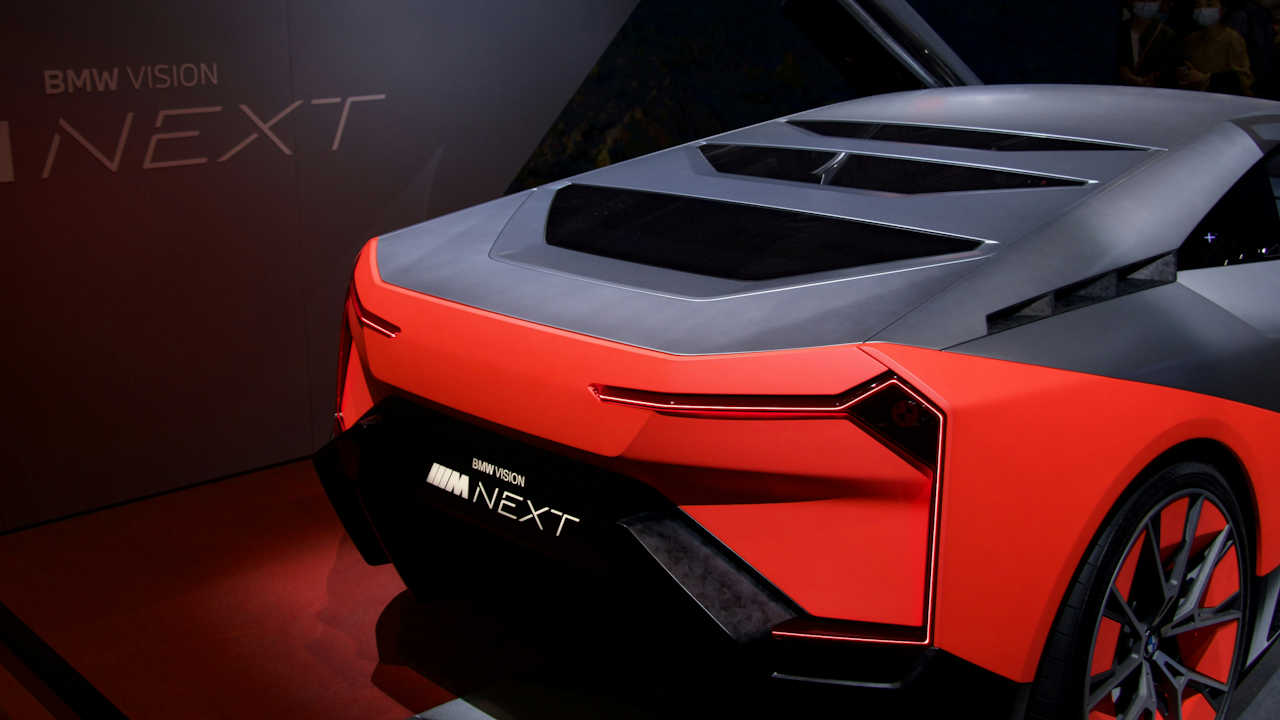
The automotive world stands on the brink of a profound transformation. Traditional combustion engines, once the heartbeat of mobility, are giving way to electric powertrains, autonomous systems, and radical new forms that blur the lines between vehicle, living space, and personal sanctuary. Futuristic car designs promise not just faster travel but entirely new experiences of freedom, sustainability, and connection. From sleek aerodynamic silhouettes to vehicles that adapt to our every need, these concepts ignite excitement about what driving, or being driven, could become in the coming years.
The Rise of Electric and Sustainable Mobility
At the core of nearly every futuristic design lies electrification. Manufacturers are pushing boundaries with vehicles that achieve extraordinary range and efficiency while minimizing environmental impact. The Mercedes-Benz Vision EQXX exemplifies this push, targeting over 1,000 kilometers on a single charge through advanced aerodynamics and lightweight materials. Its flowing bodywork reduces drag to unprecedented levels, proving that efficiency and beauty can coexist seamlessly.
BMW’s Neue Klasse platform represents another leap forward. Previewed through visionary concepts, it introduces electric models with striking proportions reminiscent of classic sports sedans but updated for the electric era. Expect short overhangs, athletic stances, and innovative battery integration that enhances agility and range. These designs signal a return to driver-focused dynamics even in an electrified future.
Sustainability extends beyond power sources. Concepts like the BMW i Vision Circular emphasize full recyclability, using materials that can be reborn into new vehicles. This circular economy approach addresses the full lifecycle of a car, from production to eventual disassembly, setting a standard for responsible innovation.
Aerodynamic Mastery and Bold Exterior Forms
Futuristic designs prioritize airflow as much as aesthetics. Smooth, uninterrupted surfaces, active aerodynamic elements, and dramatic proportions define the next generation. Audi’s Concept C heralds a new design language with radical simplicity, clean surfacing, and bold lighting signatures. Positioned as a spiritual successor to icons like the TT and R8, it blends high-tech minimalism with emotional appeal.
Hyundai’s Vision 74 and related concepts deliver retro-futuristic flair. Wedge-shaped profiles and hydrogen power options evoke classic sports cars while incorporating modern performance. The brand’s “Art of Steel” philosophy highlights material innovation, making structural elements visible and tactile.
Polestar continues its minimalist yet dramatic approach. The Polestar 5 and upcoming models feature sleek, aerodynamic bodies with minimal ornamentation. Bonded aluminum chassis and high-voltage architectures support blistering performance, such as 884 horsepower in the Polestar 6 convertible, all wrapped in crisp, futuristic styling.
Chinese manufacturers are also making bold statements. Concepts from Hongqi, Chery, and XPeng showcase panoramic glass, sliding doors, and reconfigurable interiors that prioritize spaciousness and versatility in electric formats.
Autonomous Revolution and Interior Transformations
Autonomy reshapes not only how cars move but how we inhabit them. Without the need for constant driver attention, interiors evolve into lounges, offices, or entertainment hubs. The Mercedes-Benz Vision AVTR, inspired by the Avatar film, pushes this boundary with no traditional steering wheel in full autonomous mode. Its organic, scale-like exterior and adaptive interfaces create a symbiotic relationship between human and machine. Features like crab-walking capability and bio-inspired elements highlight harmony with nature and technology.
Cadillac’s InnerSpace and similar visions offer cocoon-like cabins with expansive screens and relaxing atmospheres. Passengers can recline, work, or unwind as the vehicle handles navigation. BMW’s i Vision Dee introduces color-changing exteriors and advanced digital interfaces that personalize the experience.
Luxury brands elevate this further. Bentley’s EXP 15 concept envisions electric grand touring with monolithic sculptural bodies, illuminated grilles, and opulent three-seater layouts featuring swiveling executive seats. Picnic-style rear seating nods to traditional luxury while embracing futuristic efficiency.
Genesis and Lexus concepts explore high-performance electric GTs with spaceship-inspired controls and premium materials. Lexus’s LFA-inspired EV hints at sub-2-second acceleration paired with simulated manual transmissions for engagement.
Performance and Niche Innovations
Not all futuristic designs abandon the thrill of driving. Chevrolet Corvette concepts blend heritage with hyper-modern elements, including dramatic aerodynamics and potential hypercar performance. Hyundai’s N Vision 74 and related studies revive interest in hydrogen fuel cells for zero-emission high performance.
Off-road and adventure concepts from Hyundai, GMC, and others introduce rugged yet tech-forward SUVs with body-on-frame construction, advanced suspension, and modular capabilities. These vehicles aim to conquer terrain while maintaining connected, efficient operation.
Flying or multi-modal ideas occasionally surface, though most focus remains on road-going innovation. Urban air mobility and hybrid concepts hint at broader transportation ecosystems.
Challenges on the Horizon
Despite the excitement, hurdles remain. Battery technology, charging infrastructure, regulatory approval for full autonomy, and material sourcing present significant challenges. Concepts like the Vision EQXX and Neue Klasse test solutions in real-world conditions, such as record-setting endurance runs.
Cybersecurity, ethical questions around autonomous decision-making, and equitable access to these technologies will shape adoption. Pricing for early models, like Jaguar’s bold electric grand tourer starting around 130,000 dollars, suggests luxury positioning before broader accessibility.
A Road Ahead Filled with Promise
The futuristic car designs emerging today represent more than incremental updates. They envision transportation as an extension of human aspiration: sustainable, exhilarating, and deeply personal. Whether it is the organic elegance of the Vision AVTR, the performance purity of Audi and Lexus concepts, or the everyday innovation from BMW, Polestar, and Hyundai, these vehicles invite us to reimagine mobility.
As production timelines bring these ideas closer to reality, from 2026 Neue Klasse models to longer-term autonomous visions, one thing is clear. The cars we cannot wait to drive will transform not just our commutes but our relationship with speed, space, and the world around us. The future of driving looks faster, cleaner, and far more imaginative than ever before.