

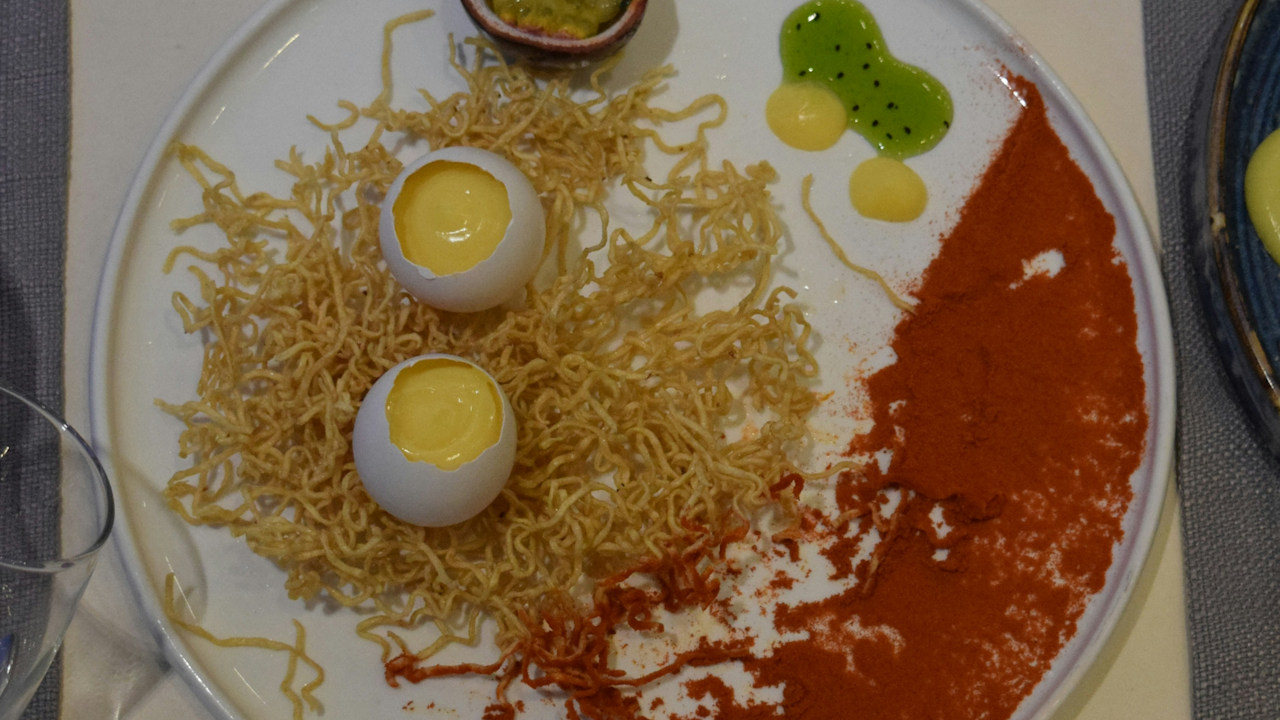
Fusion cuisine represents one of the most dynamic and creative movements in modern gastronomy. It brings together ingredients, techniques, and traditions from disparate parts of the world to create dishes that surprise the palate and challenge expectations. Rather than strict adherence to a single cultural playbook, fusion celebrates hybridization. Chefs experiment boldly, pairing spices from one continent with proteins from another or reimagining classic preparations through the lens of an entirely different heritage. The results can range from harmonious delights to polarizing experiments, but the best examples expand our understanding of what food can be.
The roots of fusion trace back centuries through trade routes, migration, and colonialism. Ancient Silk Road exchanges introduced spices and cooking methods across Asia and Europe. In the Americas, indigenous ingredients met European and African influences to birth entirely new cuisines. Yet contemporary fusion gained momentum in the late twentieth century as globalization accelerated. Cities like Los Angeles, London, and Tokyo became laboratories where immigrant communities and adventurous diners pushed boundaries. Today, social media and international travel spread these ideas faster than ever, turning once-niche experiments into mainstream trends.
What makes certain fusions truly unexpected is the cultural and sensory distance they bridge. When flavors that evolved in isolation suddenly meet, the contrast can spark delight or confusion. Sweet meets savory in new ways. Heat levels clash or complement. Textures collide. The key lies in balance. Successful fusion respects the essence of each component while forging something greater than the sum of its parts.
Consider the marriage of Korean and Mexican traditions. Korean tacos emerged in Los Angeles food trucks around 2008 and quickly became a global sensation. Marinated bulgogi beef, traditionally served with rice and banchan, gets tucked into soft corn tortillas. The meat carries soy, garlic, and sesame notes, while kimchi provides fermented tang and crunch. A creamy gochujang sauce or slaw adds richness. The combination works because both cuisines value bold seasoning, fermented elements, and communal eating. Yet the portability of the taco format transforms the experience. Diners encounter the familiar chew of grilled meat alongside the soft give of a tortilla, creating a handheld harmony that feels both innovative and inevitable.
Another standout is the sushi burrito. This creation wraps sushi rice, nori, raw fish, avocado, and vegetables inside a large seaweed sheet, mimicking a Mission-style burrito. Popularized in San Francisco and beyond, it swaps flour tortillas for nori while retaining the hand-held convenience. The unexpected element comes from the scale and saucing. Traditional Japanese sushi emphasizes restraint and seasonality. Here, it meets the abundance of American fast-casual formats. Spicy mayo, eel sauce, and tempura crunch often join the mix. The result satisfies cravings for both freshness and indulgence. Variations include teriyaki chicken versions or fully vegetarian takes with pickled beets and quinoa rice. Each bite delivers contrasting temperatures and temperatures: cool rice, warm protein, crisp vegetables.
Indian and Italian fusions offer fertile ground for surprise. Think of butter chicken pizza. The creamy tomato gravy that defines murgh makhani becomes a sauce base for naan or traditional pizza dough. Tandoori-spiced chicken, fresh mozzarella, red onions, and cilantro create layers of flavor. The richness of fenugreek and cream meets the char of a wood-fired oven. Some versions incorporate paneer as a topping or use mango chutney as a drizzle. The pairing succeeds because both cuisines excel at balancing acidity, fat, and aromatics. Tomato sauces in Italy and India share heritage through colonial exchange yet diverge in spice profiles. This fusion reunites them with modern flair.
Thai and Southern American soul food has produced memorable hybrids. Fried chicken with Thai basil and chili jam reimagines the American classic. Buttermilk-brined chicken gets a double dredge before frying, then receives a glossy sauce of fish sauce, palm sugar, garlic, and bird’s eye chilies. The heat cuts through the richness while holy basil adds an herbal brightness absent in traditional gravy. Collard greens might appear stir-fried with oyster sauce and smoked ham hocks. Cornbread gets flavored with coconut milk and kaffir lime. These combinations highlight shared values of comfort and communal feasting while introducing new aromatic dimensions.
Japanese and Peruvian influences created one of the most elegant fusions: Nikkei cuisine. Peruvian-Japanese communities developed this style over generations. Tiradito, a cousin to ceviche, features thinly sliced fish marinated in citrus and soy rather than just lime. Yellow aji amarillo chiles bring fruity heat. Meanwhile, sushi might incorporate Andean ingredients like quinoa or rocoto peppers. Lima’s restaurants showcase dishes such as maki rolls with grilled anticucho beef or causa (mashed potato terrine) layered with tuna tataki. The unexpected synergy arises from both cultures’ respect for seafood and precise knife work. Japanese minimalism meets Peruvian vibrancy.
Middle Eastern and East Asian pairings deliver bold contrasts. Falafel tacos combine chickpea fritters with tahini sauce inside tortillas, topped with sumac onions and harissa. The earthy spices of the falafel meet the corn flavor of the tortilla. Another example is hummus pizza, where creamy chickpea spread replaces tomato sauce, topped with za’atar, olives, lamb sausage, and feta. The sesame notes in hummus echo tahini while mozzarella melts into familiar pizza territory. These fusions thrive in cosmopolitan cities where diaspora communities overlap.
Dessert fusions push boundaries further. Matcha tiramisu layers green tea-soaked ladyfingers with mascarpone cream infused with yuzu. The bitterness of matcha cuts the richness of the Italian classic while citrus brightens everything. Or consider mango sticky rice cheesecake. Thai coconut sticky rice and fresh mango top a graham cracker crust with cream cheese filling flavored with pandan. The tropical sweetness meets creamy tang in an unexpected format.
Savory-sweet experiments appear in entrees too. Peking duck quesadillas pair crispy duck skin and hoisin with Monterey Jack cheese and scallions inside flour tortillas. The rendered fat from duck crisps the tortilla while melted cheese binds the elements. The sweetness of hoisin finds new partners in the dairy. Similarly, lamb vindaloo empanadas enclose Goan-style spicy vinegar curry in flaky pastry. The Portuguese influence in vindaloo already hints at cross-cultural roots, making the Latin American pastry wrapper feel like a natural extension.
Seafood offers rich territory. Lobster rolls meet Vietnamese banh mi. Buttery toasted buns hold poached lobster mixed with lemongrass, fish sauce, pickled carrots, daikon, and cilantro. The luxurious sweetness of lobster embraces the bright acidity and herbs. Or imagine scallops with mole negro. The delicate brininess of seared scallops contrasts the complex chocolate-chile sauce from Oaxaca. Toasted sesame or nori might garnish to bridge Asian influences.
Vegetarian and vegan fusions grow increasingly sophisticated. Jackfruit biryani tacos use young jackfruit cooked in aromatic spices as a pulled meat substitute inside corn tortillas. Saffron rice and mint yogurt provide the complete experience. Beyond meat, cauliflower shawarma bowls combine roasted florets spiced with Middle Eastern blends over quinoa tabbouleh with tahini and kimchi for fermented punch. The unexpected heat and crunch elevate the familiar.
Critics sometimes dismiss fusion as inauthentic or confused. They argue it dilutes cultural heritage or prioritizes novelty over depth. Yet thoughtful fusion requires deep knowledge of each tradition. Chefs study histories, flavor chemistry, and techniques before combining elements. Respectful adaptation honors origins while acknowledging that all cuisines evolved through exchange. Italian tomatoes came from the Americas. Indian chilies arrived via Portuguese traders. Purity is often an illusion.
Home cooks can experiment safely. Start with small bridges. Add gochujang to your favorite barbecue sauce. Incorporate garam masala into roasted vegetables alongside za’atar. Replace basil in pesto with Thai holy basil and add a touch of coconut. Balance is essential. Consider the five tastes: sweet, sour, salty, bitter, umami. Ensure each component contributes without overwhelming. Texture contrast matters equally. Pair creamy with crunchy, soft with crisp.
Restaurants worldwide continue to innovate. In New York, spots blend Scandinavian techniques with Indian spices. In Sydney, chefs fuse Aboriginal ingredients with Southeast Asian flavors. Tokyo establishments experiment with French-Japanese kaiseki twists. The movement shows no signs of slowing as climate change, migration, and technology introduce new ingredients and methods.
Fusion cuisine ultimately reflects our interconnected world. It mirrors how people move, share, and adapt. Unexpected global flavor combinations remind us that food transcends borders. A single dish can tell stories of trade, diaspora, innovation, and joy. When a Korean taco or sushi burrito delights the senses, it affirms humanity’s shared love of flavor and creativity.
As you explore these hybrids, approach them with curiosity rather than rigid rules. Taste, adjust, and enjoy the surprises. The kitchen becomes a place of cultural dialogue where unexpected pairings create memorable meals that nourish both body and imagination. Whether dining out or cooking at home, fusion invites everyone to participate in the ongoing evolution of culinary art. The next great combination might come from your own table.