

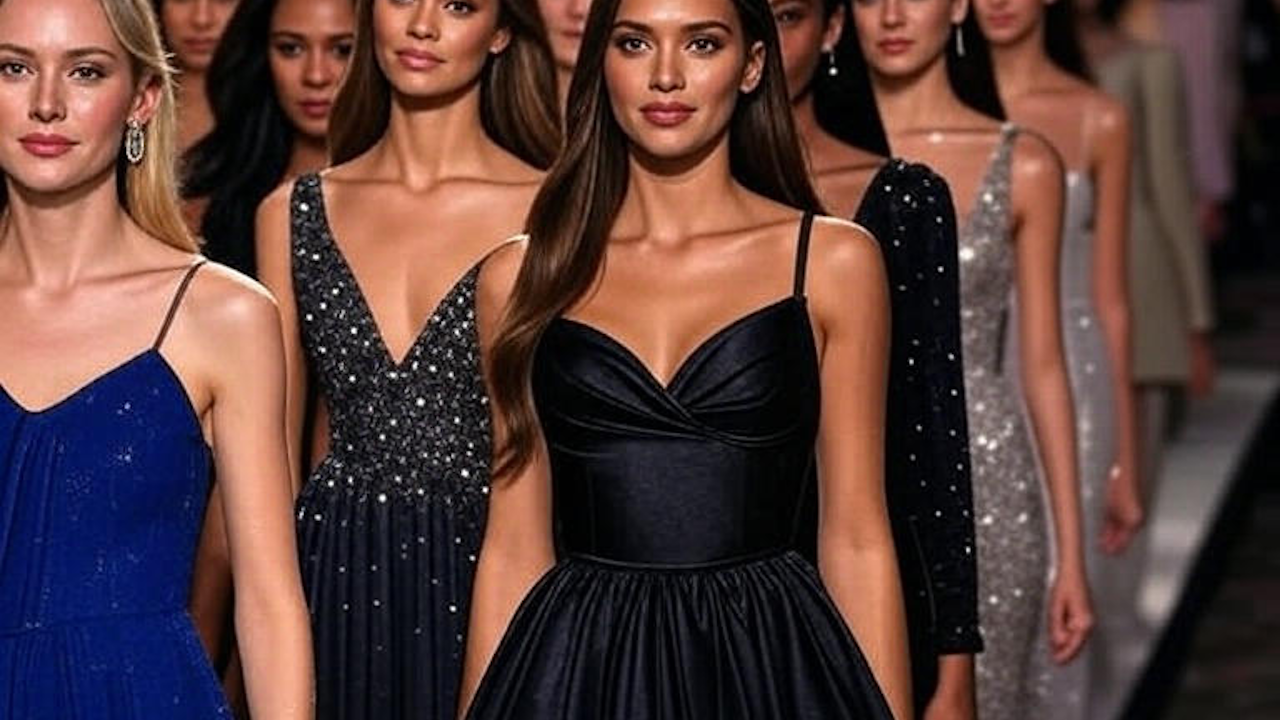
Fashion month is a whirlwind of creativity, commerce, and spectacle that defines the industry’s direction for the seasons ahead. From the bustling streets of New York to the storied avenues of Paris, the Autumn/Winter 2026 collections delivered a blend of sophomore statements, bold debuts, and evolving house codes. If you blinked and missed the runway action across New York, London, Milan, and Paris, here is your extended guide to the standout moments, emerging trends, and key collections that shaped the narrative.
New York Fashion Week: Practical Polish and Eccentric Energy
New York kicked things off with a focus on wearable innovation and personality driven designs. Tory Burch earned high praise for a polished yet quirky collection presented in the Breuer building. Warm wood panels framed looks that balanced sophistication with eccentricity, including sardine inspired accessories and thoughtful outerwear. The show felt like an event, celebrating refined American sportswear with unexpected twists.
Marc Jacobs opened early with his Spring 2026 offering before the official calendar, setting a tone of dramatic draping and bold silhouettes. Calvin Klein drew mixed reactions with its styling and hair clad elements, while other labels leaned into minimalism, fringe, feathers, and functional details. Trends included calming blues, genie pants, headscarves, shrugs, and statement belts with oversized buckles. Cerulean tones added freshness, while pom poms and pink hues injected playfulness. Flare skirts and harem pants gained traction alongside ruffles, drapes, and pleats.
Public School made a notable return, and Rachel Scott’s debut at Proenza Schouler brought an intelligent sensibility to tailoring. Ralph Lauren delivered starry, modern takes on classics. Overall, New York emphasized versatility with street style galore and a mix of grunge prep hybrids at emerging names like Zankov. Pony hair textures and pendant necklaces stood out as accessories of the moment.
London Fashion Week: Outerwear Dominance and Creative Experimentation
London offered a platform for emerging talent and established names to push boundaries. Outerwear led the conversation with capes in various forms, from draped fur styles to pinned brooch versions and classic silhouettes. Richard Quinn marked a 20th anniversary with dramatic flair, while the week highlighted rigorous creativity amid a focus on British eccentricity.
The schedule featured strong showings in tailoring, romantic elements, and sustainable innovation. London continued its reputation for nurturing fresh voices who blend heritage with forward thinking details. Street style complemented the runways with layered, expressive looks that captured the city’s vibrant energy.
Milan Fashion Week: Commercial Strength and House Evolutions
Milan reinforced its position as the commercial heart of fashion with powerhouse presentations. Glenn Martens at Diesel created a memorable junkyard set with 50,000 archive pieces, delivering energetic, party ready designs. Maria Grazia Chiuri debuted at Fendi, bringing her signature touch to the Italian house.
Prada, under Miuccia Prada and Raf Simons, showcased clever layering with models wearing multiple looks that revealed progressively. Gucci under Demna drew attention with a 90s inspired collection nodding to Tom Ford eras, including a notable appearance by Kate Moss. Marni felt like a homecoming under new direction with offbeat eccentricity. Jil Sander emphasized rigorous minimalism in its sophomore outing, while Bottega Veneta continued its evolution.
Other highlights included party pants at Missoni, evolving narratives at Etro, and strong artisan focused collections at Tod’s, Loro Piana, and Brunello Cucinelli. Giorgio Armani presented new horizons with fresh perspectives on signature style. Milan delivered polished tailoring, bold prints, and luxurious textures that balanced wearability with statement making appeal.
Paris Fashion Week: Sophomore Refinement and Standout Spectacles
Paris wrapped the month with a decisive abundance of collections. After a season heavy on debuts, Autumn/Winter 2026 emphasized follow ups and settled visions. Jonathan Anderson’s second collection for Dior took place in the Jardin des Tuileries around a pond with lily pads. The show explored seeing and being seen through eclectic, time hopping attire including Belle Epoque ruffles, bourgeois tweeds, shearling with wave hems, and playful elements like polka dots and crystallised denim. It conveyed levity and freedom while honoring house codes.
Matthieu Blazy’s sophomore ready to wear for Chanel built on his debut success, which had already caused a shopping frenzy. The collection used a caterpillar to butterfly metaphor with glossy two tone pumps, low waistlines, pleated skirts, chainmail suits, and handmade details. It felt relaxed, playful, and comprehensive, reinterpreting classics with motion and craft.
Michael Rider at Celine, Jack McCollough and Lazaro Hernandez at Loewe, and other sophomore efforts delivered strong results. Pieter Mulier offered a subdued, elegant farewell at Alaia. Balenciaga under Pierpaolo Piccioli featured euphoric moments and a collaboration with Euphoria. Saint Laurent presented cinematic offerings, while Miu Miu delivered a cameo filled cast.
Key trends in Paris included softer romantic pieces, high impact accessories, draped fluid forms, and prominent shades like deep purple. Ruffles, billowing shapes, and promenade inspired performances added romance and playfulness. Celebrity presence amplified the energy, with figures like Oprah Winfrey, the Culkin brothers, and others in attendance.
Overarching Trends and Takeaways
Across the four cities, several themes emerged strongly. Outerwear remained dominant, especially capes and layered coats for the colder months. Tailoring evolved with softer, more romantic interpretations, while minimalism coexisted with maximalist details like fringe, feathers, ruffles, and embellishments. Colors ranged from calming blues and cerulean to warm neutrals, pinks, and rich purples. Accessories gained importance with statement belts, functional necklaces, headscarves, and unique bags.
Sophomore collections proved particularly compelling as designers refined their visions without debut pressure. Houses balanced heritage with innovation, resulting in wearable yet directional pieces. Sustainability, artisan craft, and cultural references wove through many shows, reflecting broader industry conversations.
Fashion Week 2026 captured a moment of consolidation and creativity. Designers settled into roles, delivered commercial yet inspiring collections, and offered plenty for consumers and insiders alike to anticipate. The season underscored fashion’s enduring power to blend spectacle with everyday relevance, from a quick 60 second highlight reel to the deeper stories behind each look. What stood out most was the confidence in evolving traditions while embracing joy, practicality, and individuality for the wardrobe of tomorrow.