

Self-driving cars, also known as autonomous vehicles, represent one of the most ambitious technological advancements in transportation. Companies have poured billions into developing systems that promise safer roads, reduced congestion, and greater mobility for those unable to drive. Yet even as robotaxi services expand in cities around the world by 2026, a persistent challenge remains: bad weather. Rain, snow, fog, ice, and hail can degrade the performance of these vehicles in ways that highlight the gap between controlled testing environments and real-world conditions. This article explores what happens to self-driving cars when the weather turns foul, examining the underlying technology, specific weather impacts, real-world examples, safety concerns, ongoing solutions, and the road ahead.
At the core of self-driving technology are layers of sensors, software, and artificial intelligence designed to perceive the environment, make decisions, and control the vehicle. Most systems rely on a combination of cameras, light detection and ranging (LiDAR) units, radar, and sometimes ultrasonic sensors. Cameras capture visual data much like human eyes, identifying lane markings, traffic signs, pedestrians, and other vehicles through computer vision algorithms. LiDAR emits laser pulses to create detailed three-dimensional maps of surroundings, excelling in measuring distances with high precision. Radar uses radio waves to detect objects and their speeds, performing well in low-light conditions. These inputs feed into sensor fusion algorithms that combine data for a more complete picture, while machine learning models predict behaviors and plan paths. In ideal clear weather, this setup allows vehicles to navigate complex urban environments with impressive reliability. However, adverse conditions disrupt each sensor type differently, often forcing the system to reduce speed, pull over, or disengage entirely.
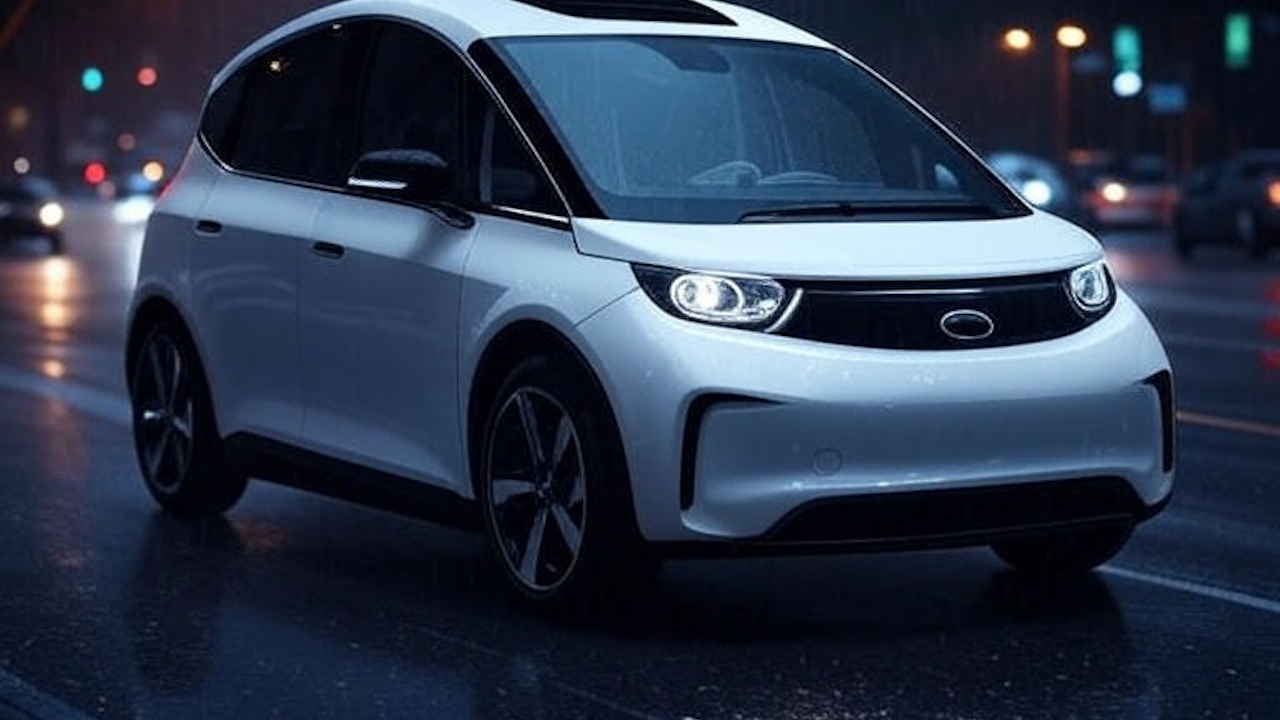
Rain poses one of the most common and disruptive weather challenges for autonomous vehicles. Heavy downpours reduce visibility and create slippery road surfaces that demand precise traction management. Water droplets on camera lenses cause occlusion, blurring or blocking the view and leading to misidentification of objects or lane lines. Wet pavement reflects glare from streetlights and headlights, further confusing vision systems. LiDAR suffers as raindrops scatter the laser beams, producing noise in the point cloud data and generating false obstacles known as phantom detections. This forces the vehicle to slow dramatically or stop to avoid perceived hazards. Radar penetrates rain better than the other sensors but experiences reduced range and resolution in severe conditions, sometimes by as much as 45 percent according to simulation studies. Beyond perception, rain introduces hydroplaning risks, where a layer of water lifts tires off the road, eliminating grip. Sensors can detect the geometry of puddles but struggle to measure friction or predict loss of control until wheel slip occurs, by which point corrective action may be too late.
Snow and ice present even greater difficulties, often rendering current commercial autonomous services inoperable. Snowflakes interfere with LiDAR by reflecting pulses and creating dense noise that obscures true objects, while also covering lane markings and road signs that cameras rely on for navigation. Black ice, a thin transparent layer on roads, remains invisible to all standard sensors since it offers no visual or geometric cues about reduced traction. Cameras lose contrast entirely under snow cover, and radar, though less affected by falling flakes, cannot reliably classify small hazards like debris or distinguish between slush, packed snow, and ice. Ice buildup on sensors themselves can block functionality across the board, causing complete system failure. Human drivers compensate with experience and intuition for these slippery conditions, adjusting speed and following distance instinctively. Autonomous systems lack this tactile feedback and must rely on indirect inferences from wheel dynamics or weather data, which are often insufficient for proactive control. As a result, no major robotaxi operator provides fully commercial service in winter conditions or freezing rain as of early 2026. Research programs continue to test in snowy regions, but widespread deployment lags.
Fog and dense mist create another layer of complexity by scattering light and reducing visibility for both cameras and LiDAR. In heavy fog, laser beams from LiDAR bounce off water particles in the air rather than reaching distant objects, shortening effective range and producing inaccurate depth maps. Cameras fare no better, as the uniform haze erases edges and details needed for object recognition. Radar maintains better penetration but still struggles with resolution in cluttered environments. Dust storms or airborne particulates trigger similar issues, as seen in probes into vision-only systems where degradation detection failed to alert drivers promptly. These conditions amplify the risk of rear-end collisions or failure to detect pedestrians and cyclists. Extreme temperatures compound problems: freezing conditions can ice over sensors, while heat waves may cause overheating in processing units.
Real-world performance underscores these limitations. In 2026, robotaxi fleets from companies like Waymo and Baidu complete hundreds of thousands of rides weekly in milder climates, yet a single rainstorm can halt operations across entire cities. Waymo vehicles, equipped with advanced multi-sensor suites, have shown indecisive behavior in rain, frequently pulling over or struggling to locate pickup points due to sensor noise. Tesla’s vision-only Full Self-Driving system, which relies heavily on cameras without LiDAR, has faced scrutiny after reports of vehicles stopping mid-ride during heavy downpours in Austin, requiring passenger intervention. The National Highway Traffic Safety Administration opened a formal review in 2025 into such performance in low-visibility scenarios, including fog and glare. In one documented case from early 2026, Tesla’s system handled a severe Los Angeles storm that paused Waymo service, but broader incidents reveal vulnerabilities. Snowy tests remain limited; operators in places like San Francisco avoid winter routes entirely, and expansions to cities like Denver represent cautious first steps into colder zones. Flooding adds yet another hazard, with Waymo vehicles spotted in rising waters or sidelined during Arizona storms in 2025. These events reveal that while some systems manage light precipitation through machine learning noise filtering, intense or prolonged bad weather often triggers conservative safety protocols that prioritize stopping over proceeding.
Safety implications extend beyond individual rides. Weather-related crashes already account for a significant portion of road incidents, with wet pavement involved in about 76 percent of adverse-weather accidents according to U.S. Department of Transportation data. Autonomous vehicles aim to reduce human error, which causes most collisions, but sensor degradation can introduce new risks. In simulations and field tests, vehicles have misjudged distances in rain or skidded on ice-covered curves because perception algorithms failed to account for altered road friction. Rear-end collisions rise in fog or heavy rain when systems delay braking due to noisy data. At intersections, where many autonomous incidents occur even in clear weather, poor visibility exacerbates the problem. Regulators note that while overall crash rates for tested fleets like Waymo remain lower than human drivers in controlled conditions, adverse weather narrows or reverses that advantage. Public trust erodes when fleets pause operations during storms, raising questions about reliability as a true mobility solution. Critics argue that without robust all-weather capability, autonomous vehicles function more like fair-weather supplements than replacements for human-driven transport.
Developers are not standing still. Sensor fusion represents a primary strategy, blending radar’s weather penetration with LiDAR’s precision and cameras’ detail through advanced algorithms. Machine learning plays a growing role, training models on vast datasets of rainy or snowy drives to filter noise and recognize patterns like wet-road glare or snow-obscured markings. Waymo has demonstrated AI techniques that distinguish snow, slush, and ice from normal surfaces. Emerging hardware includes higher-wavelength LiDAR variants or sub-terahertz sensors that promise better fog and dust penetration. Virtual sensing approaches analyze vehicle dynamics such as wheel slip and suspension behavior to infer traction loss in real time, enabling predictive adjustments before hydroplaning occurs. Active safety systems under development spray fluid ahead of tires to restore grip on wet surfaces. Cloud-based data sharing among fleets could create live maps of slippery zones, allowing proactive rerouting. Testing infrastructure has expanded to include indoor rain simulators and winter tracks, while university research uses animated simulators to model skidding risks under varying snow depths and curves. Despite these advances, experts emphasize that full Level 5 autonomy, which requires operation in all conditions without human oversight, remains elusive in bad weather.
Operationally, companies respond with geofencing and dynamic adjustments. Services monitor forecasts and pause or limit rides during storms, much as human drivers are advised to stay off the road. This cautious approach prioritizes safety but limits scalability in regions with frequent precipitation. Regulatory bodies in the United States and elsewhere require detailed reporting on weather-related disengagements, pushing manufacturers toward transparency. Some jurisdictions mandate minimum performance thresholds in simulated adverse conditions before approving expanded deployments. Infrastructure improvements, such as enhanced road markings or vehicle-to-everything communication networks, could provide redundant data to onboard sensors.
Looking forward, the trajectory for self-driving cars in bad weather depends on continued innovation and realistic expectations. By late 2026, fleets are projected to reach millions of rides monthly in select cities, but widespread all-weather reliability may take additional years or even decades. Hybrid approaches that combine improved sensors with human remote assistance for edge cases offer a bridge. Ultimately, autonomous technology must evolve to match or exceed human adaptability, which draws on decades of experiential learning to navigate slippery roads or foggy highways. Until then, self-driving cars will continue to excel in clear conditions while treating bad weather as a signal to slow down, stop, or hand control back when possible. This reality tempers the revolutionary promise but also drives focused research that could yield safer vehicles for everyone, regardless of the forecast. Progress in this area will determine whether robotaxis become a dependable everyday option or remain a sunny-day novelty.