

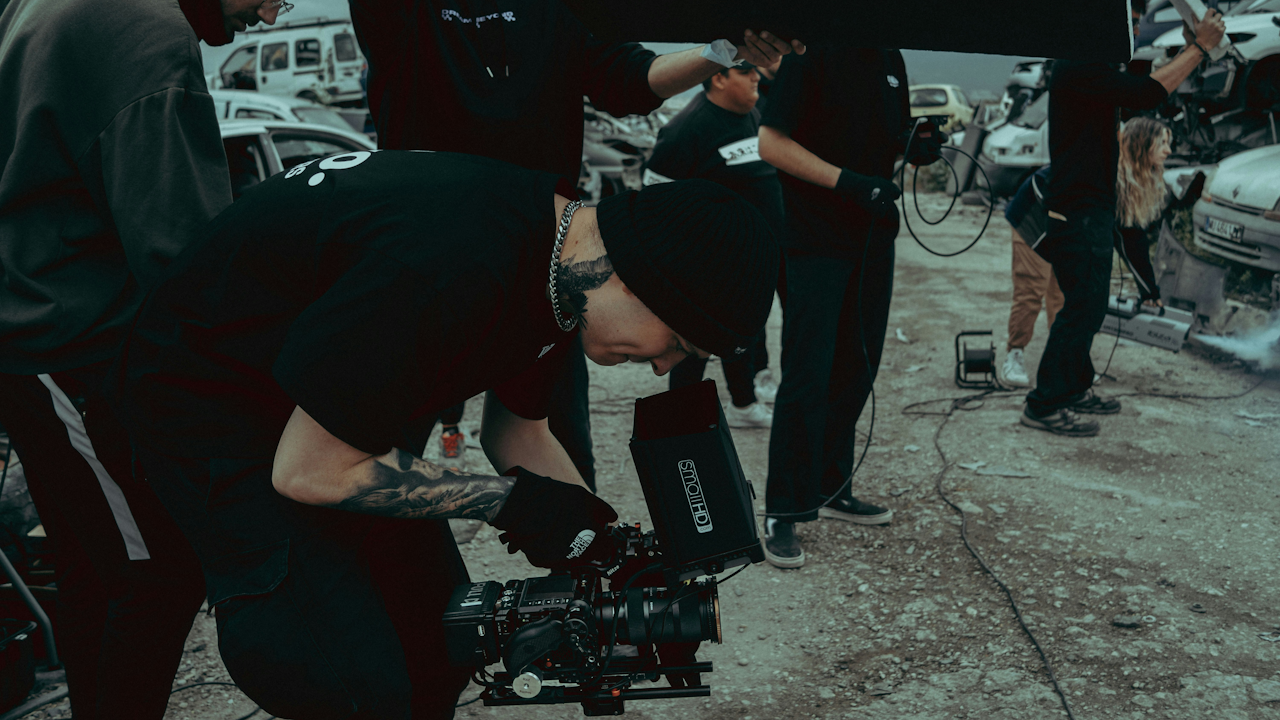
Fan-made films represent a vibrant and increasingly influential segment of modern filmmaking. These projects emerge from the passion of enthusiasts who create stories inspired by beloved franchises, characters, and universes without the backing of major studios. Often produced on modest budgets with volunteer crews and innovative techniques, they embody the spirit of participatory culture. Crowdsourced cinema takes this further by leveraging collective contributions from fans for funding, resources, and even creative input. This article explores the evolution, key examples, technological drivers, challenges, and promising future of this phenomenon.
The roots of fan films trace back decades. One of the earliest known examples dates to 1926 with a short inspired by the “Our Gang” comedy series, produced by itinerant filmmakers. Throughout the mid-20th century, amateur creators experimented with characters from comics and serials. In the 1960s, figures like Don Glut made underground films based on adventure heroes, and even Andy Warhol produced a work that could qualify as a fan piece. For much of this period, technological barriers such as expensive equipment and limited distribution kept these efforts small and niche.
The digital revolution changed everything. Affordable cameras, editing software, and online platforms democratized production. By the early 2000s, fan films gained visibility on YouTube and similar sites. A notable early viral success involved a crowdsourced re-edit of Star Wars, compiled from hundreds of fan-submitted clips, which surpassed one million views shortly after upload. This demonstrated how collective effort could create compelling content that resonates widely.
Star Wars has long been a fertile ground for fan creativity. Projects range from short stories set in the expanded universe to ambitious attempts at filling narrative gaps. Many use practical effects, digital compositing, and dedicated actors in homemade costumes. These films often explore side characters or alternate scenarios that official productions overlook. Their popularity stems from the deep lore and passionate community that surrounds the saga. Fans feel ownership over the universe, leading them to craft tales that honor or critique the source material.
Batman stands out as another favorite. With a mythology rich in moral complexity and visual spectacle, the character inspires countless interpretations. Animated and live-action fan efforts tackle everything from origin stories to confrontations with iconic villains. Some animated shorts achieve professional polish through skilled voice acting and stylistic choices reminiscent of graphic novels. Live-action versions frequently employ guerrilla filmmaking tactics in urban settings to capture the gritty essence of Gotham. These projects highlight how fans can deliver intimate character studies that big-budget films sometimes bypass in favor of spectacle.
Harry Potter fan films provide heartfelt expansions of the wizarding world. Titles like “Severus Snape and the Marauders” delve into backstory moments between key characters during their school years. Others, such as “The Greater Good,” dramatize pivotal duels from the lore. Produced with attention to detail in costuming and locations, these shorts often feature strong performances and emotional depth. Multilingual efforts, including French productions with subtitles, broaden their reach and show the global appeal of fan-driven storytelling.
Video game adaptations form another thriving category. Shorts based on titles like Portal capture puzzle-solving tension through clever cinematography and narrative twists. Tomb Raider-inspired pieces place familiar heroes in high-stakes action scenarios. These projects address gaps left by Hollywood attempts, delivering faithful adaptations that prioritize gameplay essence over generic plotting.
Crowdsourcing has accelerated this movement. Platforms like Kickstarter and Indiegogo allow creators to pitch ideas directly to fans, who contribute money in exchange for rewards such as behind-the-scenes access, credits, or merchandise. Successful campaigns raise significant sums by building excitement and community involvement. This model shifts power from gatekeepers to audiences, enabling projects that might never secure traditional financing.
One high-profile example involved Star Trek: Axanar, which aimed for a professional-level prequel. It raised over a million dollars before facing legal challenges from the studio, illustrating both the potential and pitfalls of large-scale fan funding. While the project highlighted tensions around fair use and commercial boundaries, it also sparked broader discussions about how fans and rights holders can coexist. Smaller, non-profit efforts tend to thrive with less scrutiny, serving as free marketing that boosts interest in official properties.
The benefits of crowdsourced fan films are numerous. They provide training grounds for emerging talent, allowing directors, writers, and technicians to hone skills before tackling original works. Many industry professionals began with fan projects or similar grassroots efforts. These films foster community, connecting people across distances through shared passion. They also introduce diversity in storytelling, exploring perspectives or subplots underrepresented in mainstream releases.
Accessibility plays a key role in the rise. Smartphones with high-quality video capabilities, free or low-cost editing tools like DaVinci Resolve, and online tutorials lower entry barriers. Social media amplifies distribution, letting creators reach global audiences without studio marketing budgets. Algorithms on video platforms reward engaging content, giving well-crafted fan films a chance to go viral.
Challenges persist, however. Legal issues remain prominent. Copyright holders can issue takedowns or cease-and-desist letters when projects grow too ambitious or profitable. Most creators avoid direct competition by keeping efforts non-commercial and transformative. Quality varies widely; while some achieve cinematic standards, others suffer from amateur acting or technical shortcomings that limit appeal.
Resource constraints test teams. Without big budgets, productions rely on favors, personal funds, and volunteer time. Scheduling conflicts and equipment limitations can delay or derail projects. Distribution beyond YouTube requires additional effort, as festivals dedicated to fan works are limited.
Despite hurdles, the future looks bright. Advancements in artificial intelligence for visual effects, virtual production, and even script assistance could elevate production values further. Virtual reality and interactive formats might allow fans to step inside stories as co-creators. Studios increasingly recognize value in fan engagement, sometimes collaborating or officially licensing fan projects.
Crowdsourced models continue evolving. Equity-based fan investment platforms let supporters share in potential success, blurring lines between audience and producer. This participatory approach aligns with broader cultural shifts toward user-generated content across media.
Fan-made films also influence official productions. Elements from popular fan works occasionally inspire canonical stories or character developments. Positive fan feedback on social platforms can sway decisions about sequels, casting, or plot directions. In this sense, crowdsourced cinema acts as a feedback loop, enriching the ecosystems around beloved properties.
As technology improves and communities grow, fan films will likely expand in scope and sophistication. They remind us that storytelling thrives on passion rather than solely on financial might. In an era of franchise fatigue, these grassroots efforts inject fresh energy and creativity.
The phenomenon underscores a fundamental truth about human creativity: when people love a story deeply, they do not merely consume it. They reimagine, extend, and share it. Crowdsourced cinema rising signals a more inclusive entertainment landscape where barriers diminish and collective imagination flourishes. Whether short tributes or feature-length epics, fan-made films celebrate the enduring power of fandom to create rather than just watch. Their continued growth promises exciting developments for creators and audiences alike in the years ahead.