

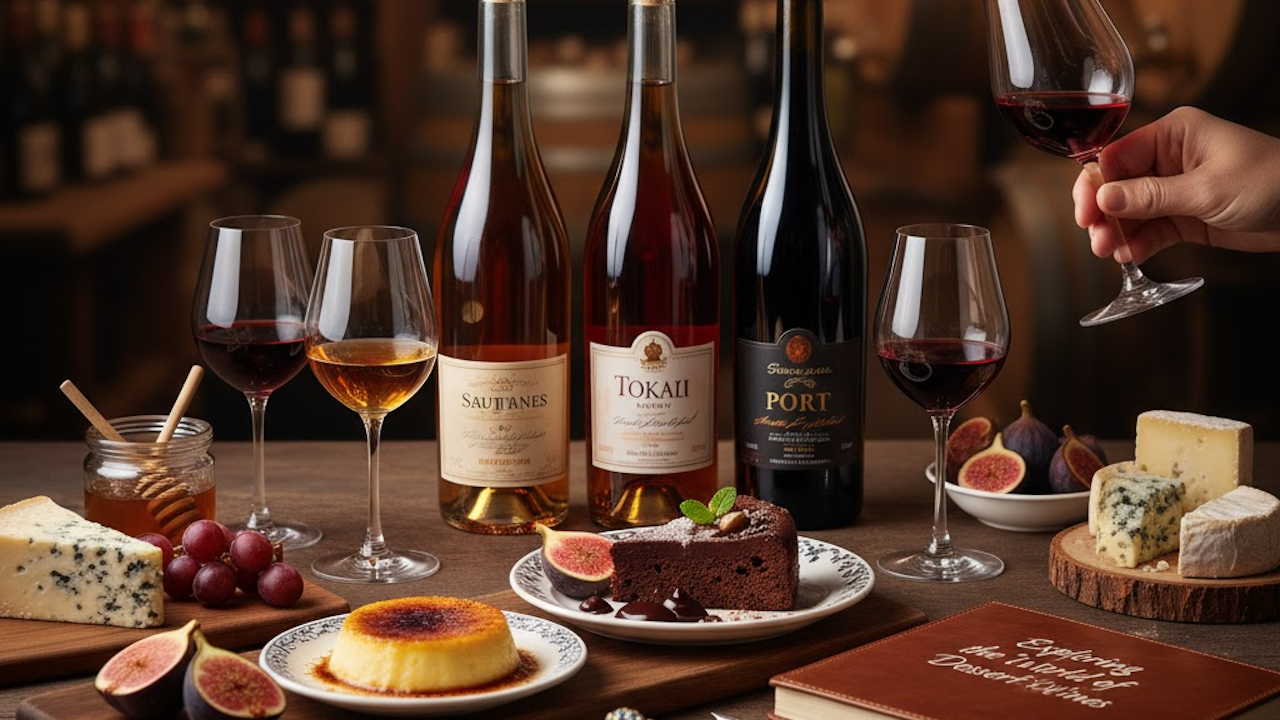
Dessert wines occupy a special place in the world of viticulture and gastronomy. These are sweet wines crafted to accompany desserts or to stand alone as the final course of a meal. Unlike dry table wines, they retain significant residual sugar, creating a harmonious balance with vibrant acidity, complex aromas, and in some cases elevated alcohol levels. The result is a category of wines that range from delicately effervescent and refreshing to profoundly rich, concentrated, and age-worthy.
They evoke luxury and tradition, yet remain accessible through many entry-level examples. Whether enjoyed with a simple fruit tart or paired with the most decadent chocolate creation, dessert wines transform an ordinary ending into something memorable. Their appeal lies in the remarkable diversity of styles, the fascinating production techniques that concentrate natural grape sugars, and the centuries of history embedded in every bottle.
A Rich History Spanning Millennia
Sweet wines have deep roots that stretch back to ancient civilizations. Egyptians, Greeks, and Romans produced sweet wines by drying grapes in the sun to concentrate their sugars. These wines, sometimes called passum in Roman times, served both ceremonial and culinary purposes, symbolizing abundance and refinement on banquet tables.
In the Middle Ages, winemaking techniques evolved further across Europe. A pivotal moment occurred in Hungary’s Tokaj region, where noble rot first transformed grapes in a beneficial way. Legend holds that a delayed harvest allowed Botrytis cinerea to affect the grapes, and the resulting wine proved extraordinarily delicious. This discovery predated similar events in Germany by roughly two centuries and helped establish Tokaji as one of the world’s most revered wines, once favored by Russian tsars and European royalty.
Fortified wines emerged as practical solutions for long sea voyages. In the 13th century, techniques for adding grape spirit to halt fermentation were refined in places like Montpellier, France. Portuguese Port and Spanish Sherry gained prominence in the 17th and 18th centuries because the added alcohol and protective winemaking methods allowed them to survive transport to distant markets without spoiling. Madeira benefited from the unique heating effect of tropical voyages, developing its distinctive caramelized character.
By the 18th and 19th centuries, dessert wines reached peak popularity. South Africa’s Constantia Muscat captivated Napoleon and English aristocracy. French Sauternes found eager admirers in early America. Hungarian Tokaji earned the title “wine of kings and king of wines.” The 20th century brought challenges as consumer tastes shifted toward dry wines, yet top producers preserved ancient traditions while adapting to modern standards. Today, dessert wines enjoy renewed appreciation among collectors and food lovers who value their complexity and the stories they carry.
The Art and Science of Production
Creating dessert wines requires patience, precise timing, and often cooperation with nature’s unpredictable elements. Winemakers concentrate sugars through several distinct methods, each imparting unique characteristics.
Late harvest involves leaving grapes on the vine well past normal ripeness. Sugars build as water evaporates and flavors intensify. In Germany this produces Spätlese wines, while Alsace labels them Vendanges Tardives. The grapes develop rich notes of honey, ripe stone fruit, and floral aromas while retaining enough acidity to prevent cloying sweetness.
Noble rot, caused by the fungus Botrytis cinerea, represents one of the most magical transformations in winemaking. Under specific conditions—morning humidity from nearby rivers or lakes followed by dry, breezy afternoons—the fungus penetrates grape skins without causing destructive grey rot. It dehydrates the berries, concentrates sugars often exceeding 200 grams per liter, and generates extraordinary secondary aromas including apricot, peach, honey, saffron, ginger, and sometimes a distinctive botrytis character reminiscent of mushroom or earth. The high glycerol content adds a silky texture, while preserved acidity keeps the wine vibrant. Iconic examples emerge from Sauternes and Barsac in Bordeaux, Tokaj in Hungary, and the highest Pradikat levels in Germany and Austria.
Ice wine, or Eiswein, relies on natural freezing. Grapes remain on the vine into winter until temperatures drop below roughly minus 7 degrees Celsius. Water inside the berries freezes while sugars and acids remain liquid. Harvesters pick and press the grapes while still frozen, yielding a small amount of intensely concentrated juice. Yields are minuscule, often just a fraction of a normal harvest, which explains the high cost. Flavors lean toward pure fruit essence, honey, and citrus, balanced by bright acidity. Canada has become the world’s leading producer, though Germany and Austria also craft excellent examples.
Passito, or raisin wine, uses post-harvest drying. Grapes are spread on straw mats, racks, or in well-ventilated rooms, sometimes in the sun, to shrivel slowly. This ancient technique, practiced since Roman times, concentrates sugars without relying on botrytis or frost. Italy produces celebrated versions such as Vin Santo in Tuscany, made from Trebbiano and Malvasia grapes and traditionally paired with almond biscotti, and Recioto della Valpolicella, a sweet red counterpart to Amarone. Greece offers Commandaria, one of the world’s oldest named wines, while France crafts vin de paille in the Jura region.
Fortification provides another reliable path to sweetness. Winemakers add neutral grape spirit, usually brandy, during fermentation to kill the yeast before all sugars convert to alcohol. This preserves natural grape sweetness and raises alcohol content to between 15 and 20 percent. The process stabilizes the wine for long aging and travel. Portugal’s Port wines undergo foot treading or modern equivalents in lagares before fortification. Spain’s Sherry, particularly Pedro Ximénez styles, often combines raisining with fortification and long solera aging that introduces oxidative notes of nuts, figs, and treacle. Madeira’s unique estufagem or canteiro heating methods create caramelized, nutty profiles that withstand extreme conditions.
Other techniques include adding unfermented grape must after fermentation, known as Süssreserve in German-influenced regions, though the most prestigious wines emphasize methods that occur primarily in the vineyard.
Diverse Styles Across Iconic Regions
Dessert wines fall into several broad stylistic families that reflect both production method and regional identity.
Sparkling dessert wines deliver gentle fizz that lightens the perception of sweetness. Italy’s Moscato d’Asti offers fragrant peach, orange blossom, and pear notes with low alcohol and refreshing bubbles. Some demi-sec Champagnes and sparkling reds like Brachetto d’Acqui from Piedmont provide floral strawberry aromas perfect for lighter moments.
Lightly sweet wines emphasize refreshment and vibrant fruit. German and Austrian Rieslings labeled Kabinett or Spätlese deliver stone fruit, citrus, and floral complexity with enough acidity to cut through spicy cuisines. Alsace Gewürztraminer in Vendanges Tardives style brings lychee, rose petal, and ginger. Late-harvest Chenin Blanc from the Loire or South Africa offers honeyed apple and quince notes.
Richly sweet unfortified wines represent the pinnacle of concentration. Sauternes and Barsac from Bordeaux, dominated by Sémillon with Sauvignon Blanc and Muscadelle, produce golden wines layered with apricot, honey, vanilla, and sometimes toasted nuts from oak aging. Château d’Yquem stands as the most celebrated, capable of aging for a century or more in great vintages. Hungary’s Tokaji Aszú, made primarily from Furmint, offers intense honey, caramel, and spice with sweetness levels measured in puttonyos. German and Austrian Trockenbeerenauslese wines from Riesling deliver extraordinary purity and longevity. Ice wines from Canada’s Niagara Peninsula or British Columbia showcase intense tropical fruit and honey in a lighter-bodied frame.
Passito styles add nutty, dried-fruit dimensions. Tuscan Vin Santo pairs beautifully with biscotti, while Recioto della Valpolicella delivers lush cherry, chocolate, and spice that stands up to rich desserts. Sweet reds also appear in lighter forms such as Lambrusco Amabile or Schiava from Alto Adige.
Fortified wines bring power and complexity. Vintage and Late Bottled Vintage Ports from the Douro Valley offer dark fruit, chocolate, and structure that rewards decades of cellaring. Tawny Ports develop nutty, figgy elegance through long wood aging. Spain’s Pedro Ximénez Sherry reaches extreme sweetness with treacle, date, and brown sugar notes. Madeira’s Malmsey and Boal styles combine caramel, nuts, and vibrant acidity from their unique heating process. Other fortified treasures include Muscat de Beaumes-de-Venise from France and Australia’s Rutherglen Muscats, sometimes called “stickies.”
Tasting, Serving, and Pairing
Tasting dessert wines reveals layers that unfold over time. White examples often display golden to deep amber hues. Aromas range from fresh citrus and tropical fruits in younger wines to honey, dried apricot, nuts, spices, and subtle botrytis earthiness in mature bottles. On the palate, sweetness is rarely one-dimensional; vibrant acidity provides lift, while texture varies from silky to unctuous. Fortified reds and tawnies introduce dried fruit, leather, chocolate, and toasted nut notes alongside warming alcohol.
Serving temperature matters. Most white dessert wines shine when lightly chilled between 8 and 12 degrees Celsius. Fortified wines, especially reds, perform well at 14 to 18 degrees or slightly cooler. Glasses should be smaller than standard wine glasses to encourage modest pours and concentrate aromas. A classic Port glass or small tulip works beautifully. Decant vintage Ports and older bottles to separate sediment and allow oxygen to awaken flavors.
Storage favors cool, dark conditions. Unopened bottles age gracefully for years or decades thanks to high sugar and acidity. Once opened, most dessert wines keep longer than dry wines because of their preservative qualities, though they are best enjoyed within a few days to a week when stored in the refrigerator with the cork replaced.
Food pairings open endless possibilities. Classic matches include Sauternes with foie gras or blue cheese, where the wine’s acidity cuts through richness. Port and Stilton cheese form a traditional British pairing, while dark chocolate loves the fruit and structure of vintage Port or rich tawny. Vin Santo and almond biscotti remain an Italian ritual. Ice wines pair wonderfully with fruit-based desserts or even spicy Southeast Asian dishes, where acidity tames heat. Moscato d’Asti complements light pastries or fresh fruit without overwhelming them.
The guiding principle is simple: the wine should be at least as sweet as the dessert, or provide contrast through acidity or texture. Experimentation often yields delightful surprises, such as pairing a rich botrytized wine with savory elements like roasted duck or aged cheeses.
Collecting, Buying, and Modern Appreciation
Half bottles remain practical for most dessert wine enthusiasts, offering two to three generous servings without waste. Entry-level options include well-made late-harvest Rieslings, tawny Ports, and Canadian ice wines in the 15 to 40 dollar range. Mid-tier bottles from respected producers deliver outstanding quality and aging potential. Iconic wines such as Château d’Yquem, top Tokaji Aszú, or declared vintage Ports command higher prices but reward patient cellaring.
Vintage variation plays a significant role, especially for botrytized wines where noble rot development depends on autumn weather. Strong recent years for Sauternes include 2009, 2014, 2015, and 2019. Vintage Port declarations occur only in exceptional years.
New World regions continue to expand the category. Canadian ice wines have achieved global recognition for consistency and purity. California and Washington State produce excellent late-harvest and botrytized wines. Australia’s fortified “stickies” offer tremendous value and complexity. Interest in low-intervention and natural dessert wines is growing, with some producers minimizing additives while honoring traditional methods.
Conclusion
Dessert wines encapsulate the poetry of winemaking. Through late harvests, noble rot, freezing temperatures, careful drying, or thoughtful fortification, ordinary grapes become extraordinary expressions of place and patience. They carry forward ancient traditions while inviting modern creativity in the kitchen and at the table.
From a refreshing glass of Moscato d’Asti on a summer afternoon to a contemplative pour of 50-year-old tawny Port by the fire, these wines offer moments of genuine pleasure and connection. They remind us that sweetness, when balanced with acidity and complexity, can be profoundly satisfying rather than simple. Exploring the world of dessert wines opens doors to history, geography, and sensory discovery that continue to enrich wine lovers generation after generation. Whether you begin with an affordable late-harvest Riesling or seek out a legendary bottle of Sauternes, the journey promises reward at every step. Raise a glass to the sweeter side of life.