

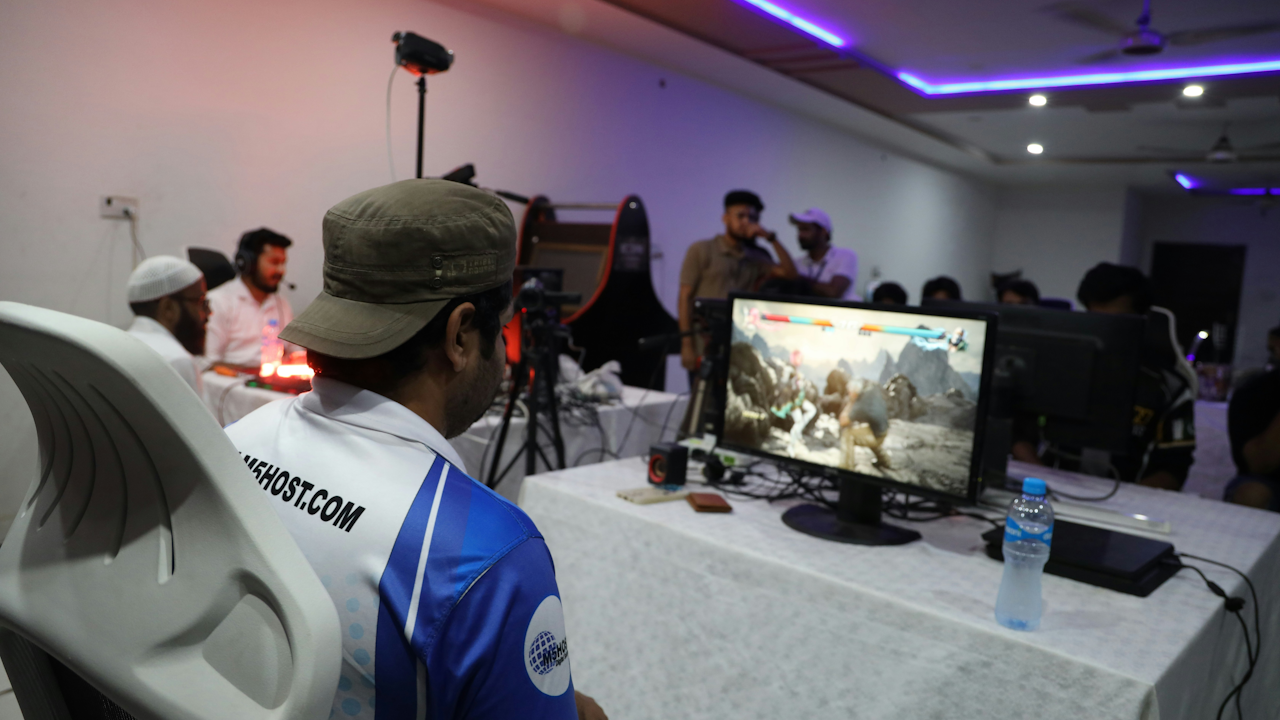
In the early 1970s, a handful of students at Stanford University gathered around a primitive computer terminal to compete in a simple space combat game called Spacewar. That small gathering in 1972 marked one of the first documented competitive gaming events. Few could have imagined then that this modest contest would evolve into a global industry generating billions in revenue and attracting hundreds of millions of fans. Esports, short for electronic sports, has transformed from a basement hobby pursued by dedicated enthusiasts into a mainstream entertainment powerhouse. It now fills stadiums, commands television airtime, and draws corporate investments once reserved for traditional athletics. This article explores the cultural journey of esports, tracing its roots, explosive growth, societal impact, economic significance, persistent challenges, and promising future.
The foundations of esports lie in the arcades and early home consoles of the 1970s and 1980s. The 1980 Space Invaders Championship in the United States drew over 10,000 participants, signaling public interest in organized play. Tournaments for titles like Donkey Kong followed soon after. By the 1990s, fighting games such as Street Fighter and Mortal Kombat fueled local competitions in arcades and living rooms. The arrival of first-person shooters like Doom and Quake, combined with improving internet connectivity, shifted the scene online. Local area network parties, or LANs, became gathering spots where players hauled heavy monitors and towers to compete in real time. In South Korea, the late 1990s saw the rise of PC bangs, internet cafes where StarCraft became a national obsession. Professional teams formed, players earned salaries, and televised matches turned gamers into household names. This Korean model demonstrated that competitive gaming could sustain careers and captivate broad audiences.
The 2000s brought structure and international reach. Organizations like Major League Gaming, founded in 2002 in North America, professionalized events with sponsorships and prize pools. Global tournaments such as the World Cyber Games and the Electronic Sports World Cup created a circuit that spanned continents. Games like Counter-Strike and Unreal Tournament dominated, emphasizing teamwork and precision. Yet esports remained largely niche. Coverage appeared in specialized magazines or online forums, and mainstream media often dismissed it as a fad for teenagers. Broadband internet and early video-sharing sites began changing that dynamic, allowing fans to watch replays and highlights beyond live events.
The true tipping point arrived in the 2010s with the rise of streaming platforms. The launch of Twitch in 2011 revolutionized how audiences experienced esports. Viewers could tune in live to professional matches or casual streams, chat in real time, and support creators through donations and subscriptions. This interactivity turned passive watching into an engaged community experience. Multiplayer online battle arena games like League of Legends and Defense of the Ancients 2 exploded in popularity. The International, Valve’s annual Dota 2 championship, saw prize pools balloon from hundreds of thousands to tens of millions of dollars by the mid-2010s. League of Legends World Championships drew millions of concurrent viewers, rivaling major sports finals in some regions. Fortnite’s 2019 World Cup offered a $30 million prize pool and highlighted the potential of battle royale formats to attract younger demographics. Franchised leagues, such as the Overwatch League modeled after traditional sports structures, attracted investments from NBA and NFL team owners. These developments professionalized the industry further, complete with coaches, analysts, and training facilities.
Culturally, esports fostered a unique identity that blended competition, entertainment, and digital community. Fans form deep loyalties to teams and players, much like supporters of soccer clubs or basketball franchises. Esports organizations such as T1 in South Korea or Cloud9 in North America cultivate fan bases through merchandise, social media, and behind-the-scenes content. Streaming personalities like Ninja or popular League of Legends pros became celebrities in their own right, bridging gaming with pop culture. Conventions such as EVO for fighting games or BlizzCon blend tournaments with cosplay, panels, and fan meetups, creating festival-like atmospheres. The culture emphasizes skill, strategy, and resilience, values that resonate with a generation raised on digital interaction. Inclusivity efforts have grown, with initiatives to support women and underrepresented groups in competitive play, though gaps remain. Mobile esports, particularly in Southeast Asia with titles like Mobile Legends: Bang Bang, has democratized access. Affordable smartphones and high-speed networks have enabled players from emerging markets to compete at the highest levels, broadening the cultural footprint beyond PC-centric regions.
Economically, the shift to mainstream has been dramatic. In 2026, the global esports market generates between 3.5 billion and 5.3 billion dollars in revenue, depending on the scope of measurement. Projections indicate continued expansion at compound annual growth rates between 15 and 20 percent through the early 2030s. Sponsorships from non-endemic brands, including automotive companies, beverage giants, and technology firms, account for a large share. Media rights deals, ticket sales, and merchandise add further streams. The 2025 Esports World Cup, for instance, attracted 750 million global viewers and accumulated 350 million hours of watch time. Asia-Pacific accounts for over half of the audience, with strong growth in Latin America and other regions driven by mobile platforms. Prize pools for major events routinely exceed millions, and top players command six- or seven-figure salaries plus endorsements. Traditional sports entities have invested heavily, purchasing franchises or partnering with organizations to tap into younger demographics. Universities now offer esports scholarships and degree programs in gaming management, recognizing the career pathways in production, broadcasting, and analytics.
This mainstream acceptance reflects broader societal changes. Video games, once viewed with skepticism, are now celebrated as a legitimate form of competition and entertainment. Mainstream media outlets cover esports alongside traditional sports, and events air on networks like ESPN. Celebrities and athletes from other domains cross over, participating in exhibition matches or investing in teams. Government support in countries like South Korea and China has elevated esports through infrastructure and policy. The inclusion of mobile esports as a medal event at the 2026 Asian Games underscores institutional recognition. Yet the path has not been without obstacles.
Challenges persist as esports matures. Player burnout and mental health concerns have gained attention, with high-pressure schedules and public scrutiny leading to calls for better welfare standards. Toxicity in online communities, including harassment and cheating scandals, threatens the inclusive image the industry seeks. Regulatory issues vary by country, from gambling concerns around skin betting to age restrictions and data privacy laws. Gender representation remains uneven, with fewer women in top-tier competitions despite growing participation at amateur levels. Economic disparities also exist; while prize money is substantial for elite events, many mid-tier players struggle with unstable incomes. The industry must balance rapid commercialization with sustainable practices to maintain fan trust.
Looking ahead, esports continues to evolve. Advancements in virtual reality and augmented reality promise immersive viewing experiences. Artificial intelligence tools may assist in coaching and anti-cheat measures. Mobile and cloud gaming will likely drive further accessibility, especially in developing markets. Crossovers with music, film, and fashion deepen cultural integration. As viewership approaches or exceeds 640 million globally, the line between esports and traditional entertainment blurs. Universities, corporations, and governments increasingly treat it as a serious sector worthy of investment and study.
The transformation of esports culture illustrates the power of technology and community to reshape leisure into a professional domain. What began as informal contests among friends has become a sophisticated ecosystem of athletes, creators, fans, and businesses. It reflects the digital age’s emphasis on skill, collaboration, and global connectivity. While debates about legitimacy linger in some circles, the numbers, the audiences, and the cultural influence speak clearly. Esports is no longer on the fringes. It stands firmly in the mainstream, entertaining millions, generating economic value, and inspiring the next generation of competitors and innovators. Its story is one of persistence, adaptation, and the universal appeal of play elevated to performance. As the industry refines its structures and addresses its shortcomings, it holds the potential to redefine not only gaming but the very nature of competitive entertainment in the decades to come.