

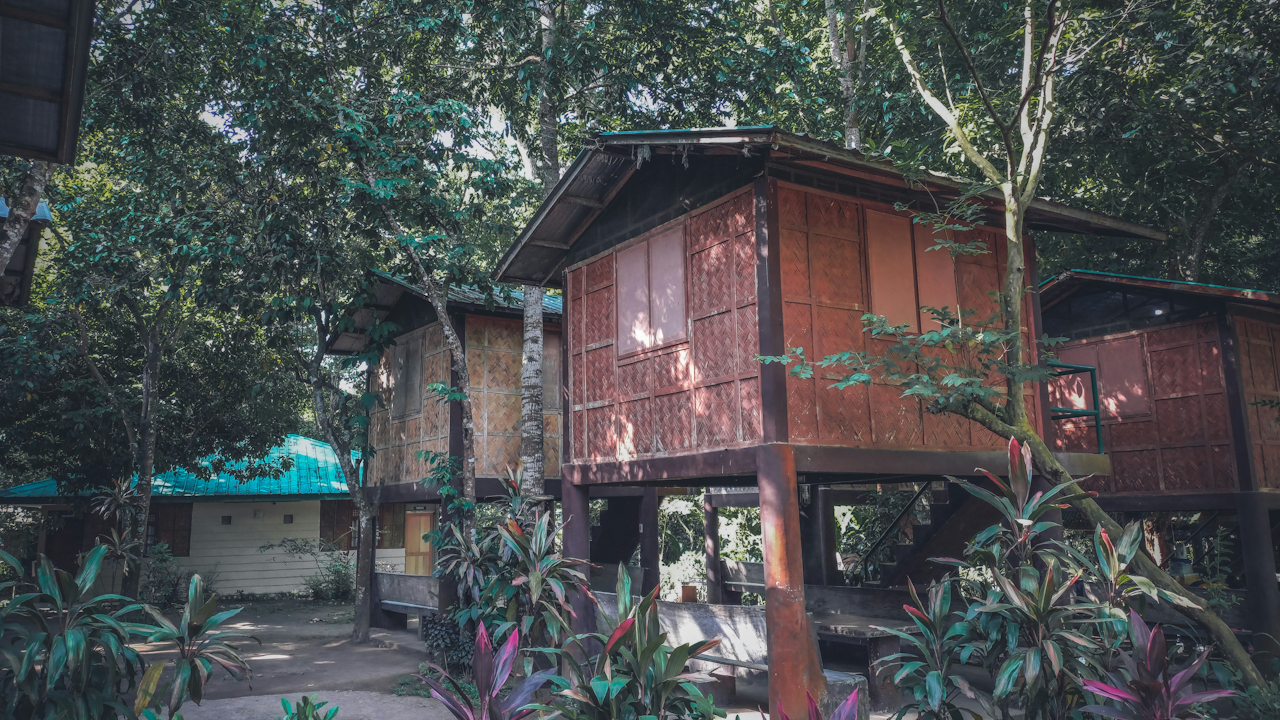
Eco-resorts represent a growing movement in travel that combines luxury accommodations with genuine environmental stewardship and community support. These properties go beyond basic recycling or solar panels to integrate sustainability into every aspect of operations, from construction and energy use to waste management, water conservation, and local economic contributions. As travelers seek meaningful experiences that minimize harm and maximize positive impact, eco-resorts offer immersive stays in pristine natural settings while actively protecting them.
Defining True Sustainability in Eco-Resorts
A truly sustainable eco-resort adheres to principles outlined by organizations like the Global Sustainable Tourism Council. Key features often include renewable energy sources such as solar, wind, or hydro power; water recycling and rainwater harvesting systems; waste reduction through composting, upcycling, and zero-landfill goals; locally sourced, organic food to reduce transport emissions and support farmers; and building materials that are reclaimed, local, or low-impact. Many properties engage in conservation projects, reforestation, wildlife protection, and education programs for guests and staff. Certifications like LEED, Green Globe, or Costa Rica’s Certification for Sustainable Tourism help verify claims and combat greenwashing.
These resorts demonstrate that comfort and luxury need not conflict with planetary health. Guests enjoy high-end amenities while participating in activities that foster deeper connections to nature and culture.
Latin America: Pioneers in Rainforest and Biodiversity Protection
Latin America, particularly Costa Rica, pioneered the modern eco-lodge concept. Costa Rica’s focus on preserving its extraordinary biodiversity has inspired properties that blend immersion with conservation.
Lapa Rios Eco Lodge on Costa Rica’s Osa Peninsula stands as a flagship example. Opened in 1993, it was among the first to earn the top 5-Leaf rating in Costa Rica’s sustainable tourism program. The lodge protects over 1,000 acres of private rainforest reserve adjacent to Corcovado National Park, home to scarlet macaws, monkeys, sloths, and countless other species. It generates power through solar panels and micro-turbines, sources water from springs, composts waste, and employs nearly all staff from local communities. Guests can join sustainability tours, wildlife monitoring, or community projects, experiencing luxury bungalows with open-air designs that harmonize with the jungle.
Nayara Resorts in Costa Rica’s Arenal region exemplify regenerative tourism. Properties like Nayara Gardens, Springs, and Tented Camp feature reforestation efforts, wildlife corridors, and farm-to-table dining. They extend this model to locations in Panama, Chile’s Easter Island, and the Atacama Desert.
In Ecuador, Mashpi Lodge offers a cloud forest experience with cutting-edge sustainability. In Brazil, Pousada Trijunção supports biodiversity in the Cerrado through conservation partnerships, including maned wolf research. Nicaragua’s Jicaro Island Lodge uses solar power, salvaged timber, and biogas from local farms.
Mexico contributes options like Playa Viva, an off-grid B-Corp certified property with solar energy, reforestation, turtle conservation, and community programs.
Asia: Island Paradises and Jungle Sanctuaries
Asia hosts some of the most innovative eco-resorts, particularly in Southeast Asia and island nations.
In the Maldives, Soneva Fushi pioneered “Waste to Wealth” programs, recycling or upcycling nearly all waste, including transforming glass into art and using coconut shells for charcoal. Solar power and battery storage supply a significant portion of energy, while coral restoration nurseries propagate hundreds of thousands of fragments annually. Organic gardens reduce imports, and the resort maintains carbon neutrality. Villas blend barefoot luxury with minimal environmental footprint.
Bali’s Bambu Indah offers open-air bamboo villas amid rice paddies and waterfalls. It avoids plastics, uses natural lighting, and integrates permaculture. Nearby properties like those in the Green Pearls network emphasize similar low-impact designs.
Thailand’s The Hideout on Koh Yao Noi features electricity-free treehouse suites from local materials. In Sri Lanka, The Kip and Tri by Amaya use living roofs, recycled woods, and mangrove protection. India’s Pench Tree Lodge provides ethical glamping near tiger reserves.
Indonesia’s Bawah Reserve employs natural materials and hand-built infrastructure to protect marine ecosystems. Cambodia’s Song Saa Private Island uses reclaimed timber and supports local communities.
Africa and the Middle East: Wildlife and Desert Conservation
Africa’s eco-resorts often double as conservation tools in wildlife-rich areas.
In South Africa, Tswalu Kalahari supports tracker education programs and vast private reserves for species protection. Mozambique’s Sussurro operates off-grid with solar power, locally sourced materials, and marine conservation. Tanzania’s &Beyond Mnemba Island aids turtle protection and coral reefs.
Egypt’s Adrère Amellal near Siwa Oasis uses traditional kershaf architecture, candlelight, and garden produce for a low-impact desert experience.
Europe and North America: Alpine, Coastal, and Wilderness Retreats
Europe balances heritage with green innovation. Italy’s Forestis Dolomites achieves carbon neutrality with local sourcing and forest-inspired design. Switzerland’s Whitepod Eco-Luxury Resort uses energy-efficient geodesic domes. Norway’s Svart Hotel aims for energy-positive operations.
In North America, Canada’s Fogo Island Inn reinvigorates local economies with transparent community benefits. Jamaica’s GoldenEye (former Ian Fleming home) supports organic farming, turtle protection, and reef restoration. Hawaii’s Turtle Bay Resort uses solar power and recycling. California’s Stanford Inn by the Sea features organic farming and wellness programs.
Australia’s Saffire Freycinet regenerates landscapes with native plants in Tasmania’s national park.
The Broader Impact and Future of Eco-Resorts
Staying at these properties contributes directly to conservation funding, job creation, and cultural preservation. Many donate portions of revenue to local initiatives or offset guest travel emissions. As climate awareness grows, demand for such authentic, low-impact experiences rises, encouraging more properties to adopt rigorous standards.
Choosing an eco-resort requires research. Look for transparent reporting, third-party certifications, and evidence of long-term commitments rather than superficial claims. The rewards include not just relaxation but a sense of participation in global stewardship.
Eco-resorts prove that travel can heal rather than harm. From Costa Rican rainforests to Maldivian atolls and African savannas, these sustainable stays invite travelers to explore responsibly, leaving places better than found. As the industry evolves, they set benchmarks for hospitality that honors both guests and the planet. Whether seeking adventure, wellness, or seclusion, an eco-resort offers a future-focused way to experience the world’s wonders.