

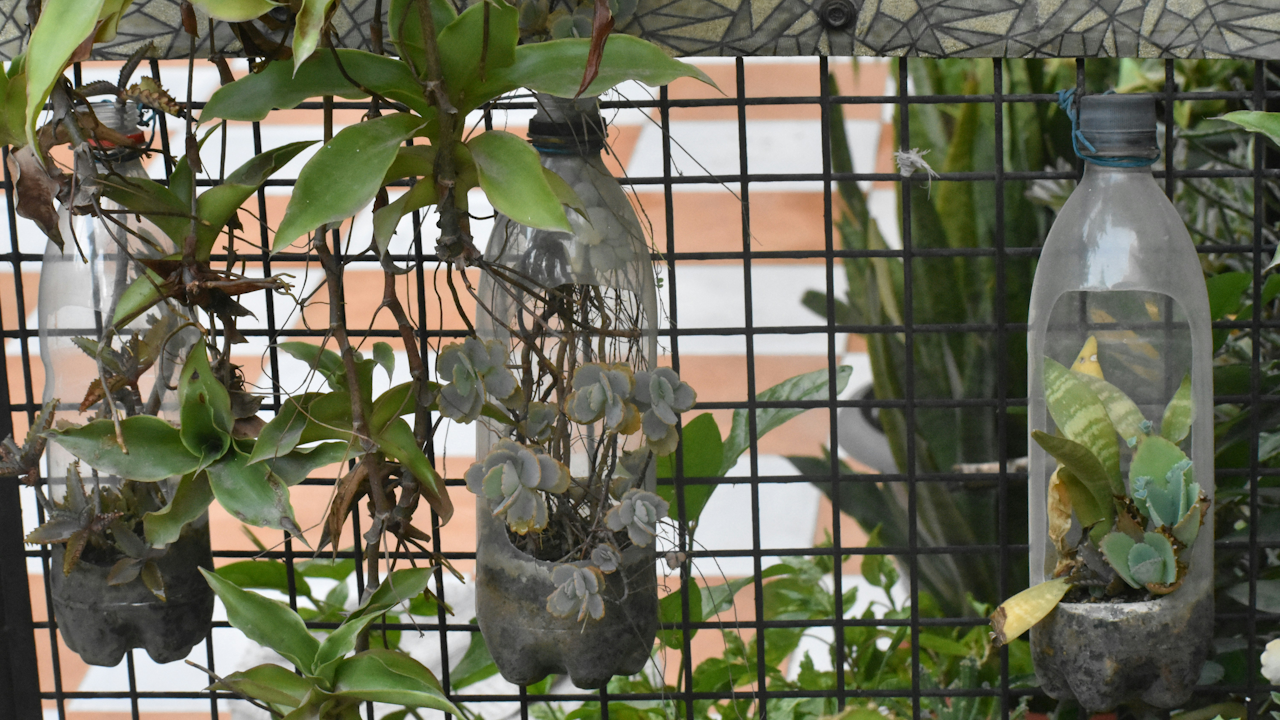
In a world increasingly focused on sustainability, turning everyday waste into functional and beautiful garden features offers both environmental benefits and creative satisfaction. DIY plant holders made from recycled materials reduce landfill contributions, save money, and allow for unique, personalized touches in homes and gardens. These projects transform items that might otherwise be discarded into eye-catching displays for herbs, succulents, flowers, and trailing vines. Whether you have a small balcony, a sunny windowsill, or a spacious backyard, recycled plant holders bring greenery into your space while promoting eco-friendly living.
The appeal lies in the endless possibilities. Old containers, furniture, clothing, and packaging gain new life as planters and stands. This approach not only cuts costs compared to buying commercial options but also adds character that store-bought items often lack. Each piece tells a story of reuse and ingenuity. Best of all, most projects require minimal tools and skills, making them accessible to beginners and experienced crafters alike.
Why Choose Recycled Materials for Plant Holders?
Using recycled items minimizes plastic pollution and resource consumption. Many household discards already have suitable shapes for holding soil, and with simple modifications like adding drainage holes, they become perfect homes for plants. This practice supports a circular economy where waste becomes a resource. Additionally, the rustic, vintage, or quirky aesthetics of upcycled holders enhance indoor and outdoor decor, blending seamlessly with various styles from bohemian to industrial.
Common benefits include:
- Cost effectiveness: Most materials come from your recycling bin or thrift stores.
- Customization: Paint, decorate, or modify to match your space.
- Environmental impact: Diverting items from landfills reduces methane emissions and conserves raw materials.
- Biodiversity support: More planters mean more opportunities to grow pollinator-friendly plants or home herbs.
Essential Recycled Materials to Gather
Before starting, scout your home, garage, or local recycling center for these versatile items:
- Plastic bottles and jugs
- Metal cans and tins
- Old clothing like jeans or t-shirts
- Wooden pallets, crates, or drawers
- Tires and rubber boots
- Kitchenware such as colanders, teacups, pots, and pans
- Furniture pieces like chairs, ladders, or stools
- Glass jars and bottles
- Wire baskets or old lampshades
Always clean items thoroughly to remove residues and ensure they are safe for plants.
Hanging Plant Holders
Hanging planters maximize vertical space, ideal for small areas or adding dimension to walls and ceilings.
Recycled Plastic Bottle Planters: Cut large plastic bottles in half, punch drainage holes in the bottom, and paint or wrap them with twine for a natural look. Hang using sturdy string or macrame cords made from old t-shirts. These work well for herbs or small succulents. For a self-watering version, insert a smaller bottle upside down into a larger one with soil.
Jean Pocket Vertical Planter: Old denim jeans offer durable fabric pockets perfect for soil. Cut off the legs, sew or staple the waistband to a sturdy backing like wood or cardboard, and fill pockets with potting mix. Plant trailing varieties like ivy or strawberries. This creates a charming wall feature while recycling fabric waste.
Bottle and Jar Hangers: Use glass bottles or jars suspended by wire or rope. Wrap the neck securely and fill with soil for small plants. For added interest, group multiple bottles at varying heights. Ensure drainage by adding pebbles at the base.
Floor and Tabletop Holders
Ground-level or tabletop options suit larger plants and provide stable displays.
Tin Can Herb Gardens: Collect various sized cans, clean them, and drill drainage holes in the bottoms. Paint in coordinating colors or leave metallic for an industrial vibe. Arrange on a tray or wooden slice for easy mobility. These are excellent for kitchen windowsills with basil, mint, or parsley.
Boot Planters: Worn-out rubber or leather boots make whimsical holders. Drill holes in the soles if needed, fill with soil, and plant flowers or succulents. Place them on porches or garden paths for a fun, country feel. Multiple boots lined up create an engaging border.
Colander or Wire Basket Displays: Old metal colanders or wire wastebaskets lined with coconut coir or landscape fabric hold soil effectively. Their perforations provide built-in drainage. Paint them brightly or allow natural patina to develop. Stack or group for visual impact.
Teacup and Mug Succulent Gardens: Chipped teacups or mugs serve as tiny planters for succulents and cacti, which need less water. No drainage holes are strictly necessary if you water sparingly and use gravel at the bottom. These add delicate charm to tabletops or shelves.
Wall-Mounted and Vertical Options
Vertical gardening saves floor space and turns blank walls into living art.
Pallet Wall Planters: Wooden shipping pallets are abundant and sturdy. Sand them lightly, attach small pots or fabric pockets, and mount on walls. Fill with a mix of trailing and upright plants for a lush green wall. Seal the wood if using outdoors to extend longevity.
Ladder Plant Stands: An old wooden ladder leaned against a wall becomes a multi-tiered display. Place pots on each rung. For stability, secure with brackets. Paint or stain to refresh the look. This works indoors or out and accommodates plants of different sizes.
Chair or Drawer Planters: Repurpose broken chairs by removing the seat and filling the frame with a large container or soil directly if lined properly. Old drawers stacked or mounted make excellent shelves for rows of potted plants.
Creative Stands and Elevated Displays
Tire Plant Stands: Stack painted tires in varying heights and fill the centers with soil. Bright colors energize outdoor spaces, while neutral tones blend into natural settings. Tires hold moisture well, suiting thirsty plants.
Crate or Box Shelves: Wooden crates turned on their sides or stacked form modular stands. Sand rough edges and apply weatherproof sealant for outdoor use. These provide ample surface area for multiple pots and can be rearranged easily.
Pipe or Dowel Structures: Use leftover PVC pipes or wooden dowels from other projects to build simple A-frame or tripod stands. Attach platforms for pots. This modern look suits minimalist interiors.
Step-by-Step Project Examples
Project 1: Self-Watering Bottle Planter
- Gather a large plastic bottle and a smaller one.
- Cut the top off the large bottle.
- Invert the smaller bottle into the larger one, with the neck pointing down.
- Fill around with soil, leaving space for the plant.
- Plant and water thoroughly. The reservoir will supply moisture gradually.
Project 2: Pallet Vertical Garden
- Source a clean wooden pallet.
- Staple landscape fabric to the back and bottom of slats.
- Fill pockets with soil.
- Plant and hang or lean securely.
- Water from the top and watch it thrive.
Project 3: Painted Can Trio
- Collect three cans of different heights.
- Clean and sand surfaces.
- Drill drainage holes.
- Apply outdoor paint and let dry.
- Add gravel, soil, and plants. Group on a windowsill.
Tips for Success with Recycled Plant Holders
Proper drainage prevents root rot. Drill holes where absent and add a layer of pebbles or broken pottery shards at the bottom. Use high-quality potting mix suited to your plants. Choose species that match the container size and light conditions: succulents for small or dry setups, herbs for kitchen areas, and ferns for shadier spots.
Maintenance involves regular checks for pests, watering according to plant needs, and occasional repainting or repairs. For outdoor holders, consider weather resistance. In cold climates, bring sensitive plants inside during winter.
Safety first: Avoid containers that held toxic chemicals. Ensure stands are stable to prevent tipping, especially with larger plants.
Conclusion
Creating plant holders from recycled items combines practicality with creativity, fostering a greener lifestyle one project at a time. From humble plastic bottles to sturdy wooden pallets, the materials around us offer abundant opportunities for innovation. Start small with a few cans or jars, and soon your space will overflow with custom greenery that reflects your ingenuity and care for the planet. Experiment, share your creations with friends, and enjoy the satisfaction of nurturing both plants and a more sustainable way of living. The results not only beautify your surroundings but also contribute to a healthier environment for everyone. Embrace the challenge and watch your recycled treasures flourish into vibrant, living art.