

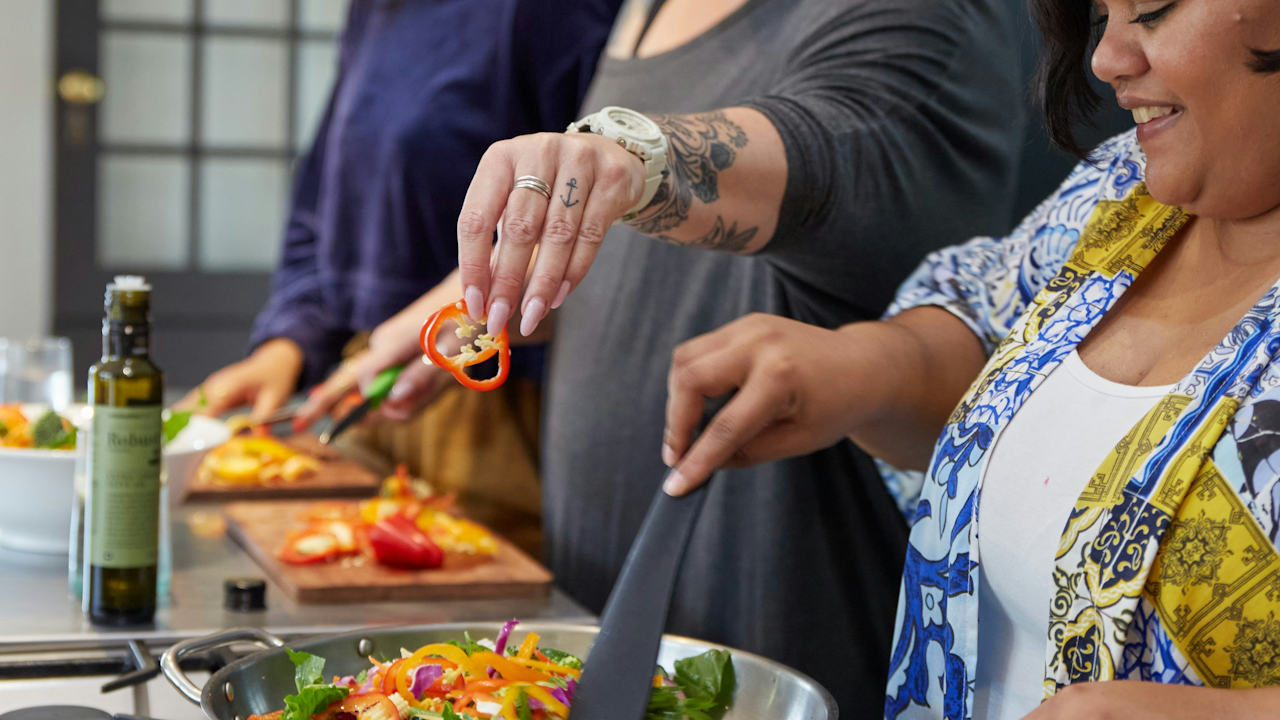
In our fast-paced world, stress often feels like an unavoidable part of daily life. Work demands, family obligations, and constant digital notifications can leave the mind racing and the body tense. Many people seek relief through exercise, meditation, or therapy, yet one powerful and accessible practice often gets overlooked: cooking. Preparing meals at home goes beyond simply putting food on the table. It offers a hands-on way to practice mindfulness, build a sense of achievement, and nourish the body with ingredients that directly support brain chemistry and emotional balance.
Cooking engages multiple senses. The rhythmic chopping of vegetables, the sizzle of ingredients in a pan, and the aroma of spices simmering together create a meditative flow. This focused attention shifts the mind away from worries and anchors it in the present moment. Studies in psychology and nutrition consistently link such activities to lower anxiety levels and improved mood. Beyond the act itself, the nutrients in thoughtfully chosen recipes can influence serotonin production, reduce inflammation, and stabilize energy levels. When stress hormones like cortisol run high, specific foods rich in magnesium, omega-3 fatty acids, antioxidants, and B vitamins act as natural countermeasures.
This article examines the ways cooking supports mental health and presents several straightforward recipes designed to ease stress. Each dish highlights ingredients backed by nutritional science for their calming effects. These recipes require minimal equipment and basic skills, making them suitable for beginners or busy individuals. They emphasize whole foods that promote steady blood sugar, better sleep, and overall resilience. By incorporating these meals into a weekly routine, anyone can turn the kitchen into a personal sanctuary for mental renewal.
The Science Behind Cooking as Stress Relief
The benefits of cooking for mental health rest on both psychological and physiological foundations. On the psychological side, the process fosters mindfulness. Repetitive tasks such as stirring or measuring ingredients quiet intrusive thoughts, similar to how guided meditation works. Completing a recipe from raw materials to plated dish delivers an immediate sense of mastery. This tangible outcome counters feelings of helplessness that often fuel stress and anxiety.
Socially, cooking can strengthen connections when shared with others, reducing isolation. Even solo cooking provides structure and routine, which research shows help regulate mood disorders.
Physiologically, food choices matter deeply. Chronic stress depletes key nutrients and inflames the brain. Omega-3 fatty acids, abundant in certain fish and seeds, reduce this inflammation and support the production of brain-derived neurotrophic factor, a protein essential for mood stability. Magnesium, found in leafy greens, nuts, and whole grains, calms the nervous system by regulating neurotransmitters and promoting muscle relaxation. Antioxidants in colorful produce neutralize free radicals generated during stress, while B vitamins in legumes and grains aid serotonin synthesis. Complex carbohydrates help transport tryptophan across the blood-brain barrier, further boosting feel-good chemicals.
By selecting recipes that combine these elements, home cooks create meals that not only taste satisfying but also deliver targeted support against stress. The warmth of a simmered soup or the crunch of a fresh salad adds sensory comfort that reinforces the emotional payoff.
Key Ingredients That Combat Stress
Before exploring the recipes, consider a few standout ingredients and their roles. Salmon and other fatty fish supply omega-3s that studies associate with lower rates of anxiety and depression. Leafy greens like spinach deliver folate and magnesium for steady nerve function. Berries burst with vitamin C and flavonoids that blunt cortisol spikes. Turmeric and ginger offer anti-inflammatory curcumin and gingerol, which soothe the gut-brain axis. Nuts and seeds pack magnesium and healthy fats for sustained calm. Oats provide beta-glucan fiber that stabilizes blood sugar and encourages serotonin release. These components appear throughout the recipes that follow, turning everyday cooking into a proactive step for mental well-being.
Recipe One: Omega-3 Baked Salmon with Asparagus and Lemon
This simple sheet-pan meal highlights fatty fish and bright vegetables to deliver a powerful dose of stress-reducing nutrients. Salmon provides high levels of omega-3 fatty acids that help lower inflammation linked to mood dips. Asparagus contributes folate, which supports neurotransmitter balance, while lemon adds vitamin C to help regulate cortisol. The gentle baking process requires little active effort, allowing the cook to focus on breathing and the pleasant scents filling the kitchen.
Ingredients for two servings: Two salmon fillets, about six ounces each One bunch of fresh asparagus, trimmed Two lemons, one sliced and one for juicing Two garlic cloves, minced Two tablespoons of olive oil Salt and black pepper to taste Fresh dill or parsley, chopped, for garnish
Instructions:
- Preheat the oven to 400 degrees Fahrenheit. Line a baking sheet with parchment paper for easy cleanup.
- Arrange the salmon fillets and asparagus spears on the sheet. Drizzle everything with olive oil and lemon juice.
- Scatter the minced garlic over the ingredients and season lightly with salt and pepper. Place lemon slices on top of the salmon.
- Bake for 15 to 20 minutes, until the salmon flakes easily with a fork and the asparagus is tender.
- Remove from the oven, sprinkle with fresh herbs, and serve immediately. Pair with a side of quinoa for added magnesium if desired.
The minimal hands-on time makes this dish ideal for evenings when energy feels low. The bright flavors and vibrant colors provide visual and gustatory comfort that signals safety to the nervous system.
Recipe Two: Anti-Inflammatory Turmeric Ginger Lentil Soup
Warm, hearty soups offer profound comfort during stressful periods. This lentil soup combines legumes with potent spices known for their ability to ease inflammation and support digestion. Lentils supply plant-based protein and fiber that keep blood sugar steady, preventing the crashes that worsen irritability. Turmeric’s curcumin and ginger’s compounds calm the gut, which communicates directly with the brain via the vagus nerve. Spinach stirred in at the end adds magnesium and iron for sustained energy.
Ingredients for four servings: One cup of dry green or brown lentils, rinsed One onion, diced Two carrots, diced Two celery stalks, diced Three garlic cloves, minced One tablespoon of fresh ginger, grated One teaspoon of ground turmeric One teaspoon of ground cumin Six cups of vegetable broth Two cups of fresh spinach, roughly chopped Two tablespoons of olive oil Salt and black pepper to taste Juice of half a lemon, for finishing
Instructions:
- Heat the olive oil in a large pot over medium heat. Add the onion, carrots, and celery, and saute for about five minutes until softened.
- Stir in the garlic, ginger, turmeric, and cumin. Cook for one minute until fragrant, allowing the spices to bloom.
- Add the rinsed lentils and vegetable broth. Bring the mixture to a boil, then reduce heat to a simmer.
- Cover and cook for 25 to 30 minutes, or until the lentils are tender.
- Stir in the spinach and let it wilt for two minutes. Finish with lemon juice, salt, and pepper to taste.
- Ladle into bowls and enjoy slowly, perhaps with a slice of whole-grain bread.
Simmering the soup encourages a patient rhythm that mirrors mindful breathing. The steam rising from the pot carries soothing aromas that can lower heart rate and invite relaxation.
Recipe Three: Magnesium-Rich Nut and Seed Granola
Breakfast or snack options that double as stress buffers can set a positive tone for the day. This baked granola features a mix of nuts and seeds loaded with magnesium, which helps relax muscles and quiet an overactive mind. Oats contribute complex carbohydrates that support steady serotonin release. A touch of maple syrup and coconut oil adds natural sweetness without refined sugars that might spike and crash energy levels. Preparing the granola involves simple mixing and baking, creating a repetitive task that feels grounding.
Ingredients for about eight servings: Three cups of rolled oats One cup of mixed nuts such as almonds and walnuts, roughly chopped One-half cup of pumpkin seeds One-half cup of sunflower seeds One-quarter cup of chia seeds One-quarter cup of coconut oil, melted One-quarter cup of maple syrup One teaspoon of vanilla extract One teaspoon of ground cinnamon Pinch of salt
Instructions:
- Preheat the oven to 325 degrees Fahrenheit. Line a large baking sheet with parchment paper.
- In a large bowl, combine the oats, nuts, pumpkin seeds, sunflower seeds, and chia seeds.
- In a small bowl, whisk together the melted coconut oil, maple syrup, vanilla extract, cinnamon, and salt.
- Pour the wet mixture over the dry ingredients and stir thoroughly until everything is evenly coated.
- Spread the mixture in an even layer on the baking sheet. Bake for 20 to 25 minutes, stirring halfway through, until golden and fragrant.
- Allow the granola to cool completely on the sheet. It will crisp up as it cools. Store in an airtight container for up to two weeks.
Sprinkle this granola over yogurt or eat it by the handful during a midday break. The act of stirring the ingredients together can feel like assembling calm for the hours ahead.
Recipe Four: Antioxidant Berry Oat Bake
Baked oatmeal combines the comfort of a warm breakfast with the brain-boosting power of berries. Berries deliver antioxidants that combat oxidative stress caused by prolonged tension. Oats and eggs provide protein and fiber for balanced energy, while cinnamon helps regulate blood sugar. This one-dish bake requires little attention once in the oven, freeing mental space for reflection or a short meditation.
Ingredients for four servings: Two cups of rolled oats Two cups of mixed berries, fresh or frozen Two cups of milk of choice Two large eggs One-quarter cup of maple syrup or honey One teaspoon of vanilla extract One teaspoon of ground cinnamon One-half teaspoon of baking powder Pinch of salt
Instructions:
- Preheat the oven to 375 degrees Fahrenheit. Lightly grease an eight-inch square baking dish.
- In a large bowl, whisk together the milk, eggs, maple syrup, vanilla extract, cinnamon, baking powder, and salt.
- Stir in the oats until fully combined. Gently fold in the berries.
- Pour the mixture into the prepared baking dish and spread evenly.
- Bake for 35 to 40 minutes, until the top is golden and the center feels set.
- Let cool slightly before slicing. Serve warm, perhaps with a dollop of yogurt.
The sweet-tart aroma during baking creates an inviting atmosphere that signals self-care. Leftovers reheat well for quick stress-busting meals later in the week.
Recipe Five: Calming Chickpea Curry with Spinach and Coconut Milk
Curries deliver layered flavors that engage the senses fully, making the cooking process itself a distraction from daily pressures. Chickpeas offer plant protein and fiber for stable moods, while spinach boosts magnesium. Coconut milk provides healthy fats that aid nutrient absorption, and spices like turmeric and cumin add anti-inflammatory benefits. The slow simmer allows time to breathe deeply and appreciate the evolving scents.
Ingredients for four servings: Two cans of chickpeas, drained and rinsed One onion, diced Three garlic cloves, minced One tablespoon of fresh ginger, grated One teaspoon of ground turmeric One teaspoon of ground cumin One teaspoon of garam masala One can of coconut milk Two cups of fresh spinach Two tablespoons of olive oil or coconut oil Salt and black pepper to taste Juice of one lime Fresh cilantro for garnish
Instructions:
- Heat the oil in a large skillet over medium heat. Add the onion and saute for five minutes until translucent.
- Stir in the garlic, ginger, turmeric, cumin, and garam masala. Cook for one minute to release the aromas.
- Add the chickpeas and coconut milk. Stir to combine and bring to a gentle simmer.
- Cook uncovered for 15 minutes, stirring occasionally, until the sauce thickens slightly.
- Add the spinach and allow it to wilt for two minutes. Season with salt, pepper, and lime juice.
- Garnish with cilantro and serve over brown rice or quinoa for extra B vitamins.
The vibrant colors and warming spices create a meal that feels both nourishing and indulgent, reinforcing a sense of reward after a challenging day.
Practical Tips for Making Cooking a Mental Health Habit
To maximize the stress-reducing potential of these recipes, approach cooking with intention. Set aside 30 to 45 minutes without distractions such as phone notifications. Play soft music or a podcast on a neutral topic to enhance the meditative quality. Prepare ingredients mindfully, noticing the textures and colors as you work.
Batch-cook on weekends to build a stock of ready meals that eliminate decision fatigue during busy weekdays. Involve family members or friends when possible to add a social element that further buffers stress. Keep the kitchen organized so the environment itself feels calm rather than overwhelming.
Track how different meals affect energy and mood in a simple journal. Over time, patterns will emerge that guide personalized choices. Remember that consistency matters more than perfection. Even one stress-friendly recipe per week can create meaningful shifts in outlook and resilience.
Conclusion
Cooking offers a multifaceted path to better mental health. It blends creativity, nutrition, and presence in a way few other activities can match. The recipes shared here incorporate science-backed ingredients that actively support relaxation while delivering satisfying flavors. By stepping into the kitchen with purpose, anyone can transform routine meals into moments of self-compassion and renewal.
Start small. Choose one recipe this week and notice how the process and the finished dish influence your state of mind. Over time, these practices can build a stronger foundation for handling life’s pressures. The kitchen awaits as a quiet ally in the journey toward greater calm and well-being.