

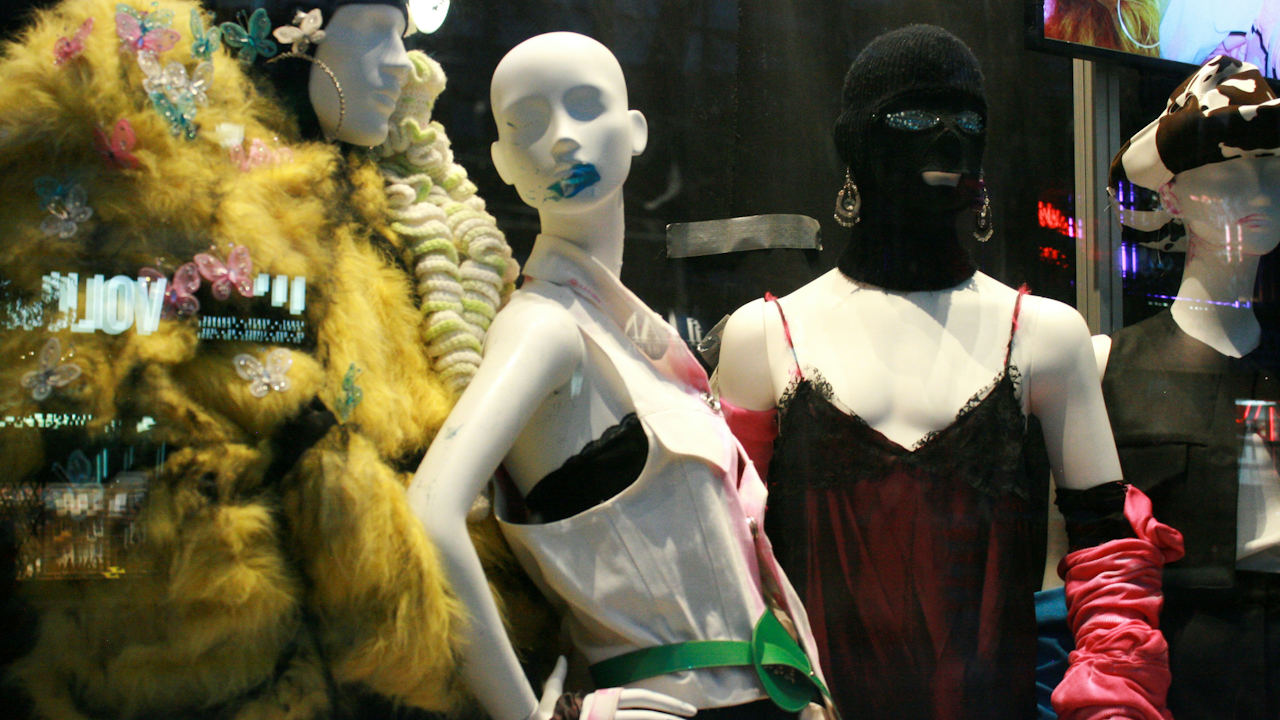
Fashion in 2025 marked a seismic departure from the restrained aesthetics that had dominated previous seasons. Where quiet luxury once whispered refinement through neutral palettes and understated tailoring, the boldest predictions instead shouted for volume, contrast, and deliberate provocation. Industry voices from leading publications and trend forecasters anticipated a cultural pivot toward maximalism, technological integration, and hyper personalized statements that challenged norms around body, gender, and even privacy. These forecasts were not mere tweaks to existing styles; they represented radical breaks that invited wearers to embrace discomfort, wonder, and rebellion. As the year unfolded, runways, street style, and celebrity wardrobes confirmed that 2025 belonged to the daring. The predictions that stood out most were those that pushed boundaries furthest, blending historical references with futuristic flair while addressing broader societal shifts like sustainability demands, digital surveillance concerns, and a collective craving for joy after years of minimalism fatigue.
One of the most audacious calls involved the wholesale rejection of solid, muted tones in favor of a print heavy maximalist renaissance. Analysts predicted that after seasons of beige dominance, consumers would flock to alternative animal prints such as zebra, dalmatian, fawn, textured snake, and even colored leopard variations. This shift signaled a broader move away from sad beige quiet luxury toward rich, layered maximalism. Designers responded with zeal, incorporating these patterns into everything from flowing bohemian dresses to tailored jackets. The prediction proved spot on as street style in major cities exploded with clashing prints layered over one another. What made this forecast bold was its timing; it directly countered the safety of neutral wardrobes that had defined the early 2020s. Instead of playing it safe, 2025 fashion encouraged outfits that demanded attention and celebrated imperfection through busy, narrative driven designs.
Equally provocative was the forecast for footwear that veered into grotesque territory. Experts foresaw a return of peep toe heels with exaggerated cutouts that emphasized toe cleavage in ways that bordered on the unsettling. This was paired with hybrid experiments like sneakerinas, tabis, and Vibram style five finger constructions that prioritized oddity over classic elegance. Tory Burch, Prada, Miu Miu, and Alaia led the charge on runways, presenting shoes that invited stares rather than compliments. The boldness here lay in embracing repulsion as a design principle. After years of streamlined sneakers and minimalist boots, the industry predicted that feet would become focal points of personal storytelling, even if that story included elements of discomfort or whimsy. By mid year, these freaky shoes had infiltrated everyday wardrobes, with influencers pairing them with tailored trousers to highlight the contrast. The prediction captured a growing appetite for fashion that refused to apologize for its peculiarities.
Perhaps the most boundary pushing prediction centered on visible body hair, specifically the unapologetic display of pubic hair through low rise jeans, g strings, and sheer fabrics. Forecasters described a merkin moment where natural grooming choices became a feminist and body positive statement, pushing back against the smooth ideals popularized in previous decades. This trend appeared in editorials, runway styling, and even mainstream advertising campaigns. The audacity stemmed from its direct confrontation with long held beauty standards. In an era still influenced by body positivity movements yet increasingly shaped by wellness and pharmaceutical trends, the call for visible pubic hair represented raw authenticity. It transformed something private into a public declaration, appearing on celebrities and models who embraced the look with confidence. Retailers reported spikes in low rise bottoms and sheer bottoms as the year progressed, validating the forecast as one of the most culturally disruptive of the season.
Anti surveillance fashion emerged as another strikingly prescient and daring prediction. With growing concerns over digital privacy and facial recognition, trend watchers anticipated garments designed to shield identity through oversized bonnets, high collars, face framing hoods, and voluminous headpieces. Prada showcased futuristic pillbox hats and protective veils while other collections featured opulent crowns and masks that doubled as style statements. The boldness resided in its subtle activism; these pieces were not just pretty accessories but functional tools for concealment in an increasingly monitored world. What began as a niche forecast quickly spread to everyday street style, where individuals layered scarves and oversized sunglasses to create barriers both literal and symbolic. This trend underscored fashion’s role as both armor and commentary, proving that the most forward thinking predictions often intersect with real world anxieties.
Silhouettes took on extreme proportions in one of the most visually striking predictions of the year. Inflated and stuffed shapes dominated forecasts, with power pouf dresses, bubble hems, and cloud like garments that appeared to float or defy gravity. Designers at Comme des Garcons and Jonathan Anderson at Loewe revived historical crinolines and panniers but rendered them weightless and modern through innovative construction. Asymmetry amplified the drama, introducing one legged pants, skants, skorts, and skirts over trousers that challenged traditional garment logic. These elements created outfits that looked suspended in motion, inviting wearers to question how clothing could stay in place. The prediction was bold because it rejected streamlined minimalism for volume and surprise. Runway shows featured models in garments that evoked wonder, echoing a societal desire for escapism amid global uncertainties. By spring, these inflated forms appeared in ready to wear collections, influencing everything from evening gowns to casual outerwear.
Dark romance and seductive sorcery formed another cluster of daring forecasts that materialized with intensity. Designers predicted a surge in cone bras, transparent tulle veils, and hauntingly romantic looks inspired by banshees and antiheroines. Alexander McQueen and others channeled Stevie Nicks inspired fluidity mixed with severe tailoring to create ensembles that felt both enchanting and intimidating. Tulle wraps acted as soft filters, blurring lines between exposure and mystery. This trend stood out for its embrace of femininity as power rather than fragility. After seasons focused on androgyny or utility, the bold call for bewitching seduction reframed softness as a weapon of influence. Celebrities adopted the aesthetic for red carpet appearances, layering sheer fabrics over structured pieces to achieve an ethereal yet commanding presence. The prediction captured a cultural hunger for magic and narrative depth in clothing.
Tech infusion represented one of the most futuristic predictions, with experts forecasting smart fabrics that changed color based on mood or environment, integrated health monitoring, and AI generated personalized designs. Brands experimented with bio engineered materials and garments that responded to body temperature or movement. This was not subtle innovation; it was overt, with runways displaying LED embedded jackets and app connected accessories. The boldness came from merging couture craftsmanship with digital functionality, appealing to a generation raised on wearable technology. Sustainability played a key role here, as forecasts emphasized lab grown leathers and circular economy principles that eliminated waste entirely. By the end of 2025, these elements had trickled into mainstream lines, proving that the prediction aligned with consumer demands for ethical yet cutting edge options.
Boho chic received a dramatic revival but with an edgy, suede heavy twist that forecasters labeled as one of the year’s most unexpected returns. Suede skirts, oversized bags, and fringed outerwear merged with aquatic influences featuring mermaid scales, metallic sequins, and ocean inspired hues. Hot pants emerged as the new mini skirt, worn in ultra short lengths that paired with tall boots or bare legs for maximum impact. Yellow dominated color stories, ranging from soft vanilla to bold saffron, while strapless dresses and asymmetric hems added further disruption. These elements collectively rejected the polished professionalism of prior years in favor of free spirited extravagance. Runway interpretations at Alaia and Bottega Veneta highlighted the trend’s versatility, allowing it to appear in both casual and formal contexts. The prediction was bold for reviving a style once dismissed as dated and infusing it with contemporary edge.
Accessories underwent a size and attitude explosion in forecasts that emphasized bigger, better, and bolder pieces. Labubu fuzzy creatures from Pop Mart became cult items when celebrities like Lisa from Blackpink and Rihanna adopted them as bag charms or keychain companions. Oversized silk scarves, sculptural jewelry, and statement shoulders revived 1980s drama with modern flair. Hair and fur accessories added creepy Victorian touches, including matted bows and braided ties. Colorblocking extended to these items, with chunky gold pieces and primary brights creating instant focal points. The prediction gained traction because it democratized drama; even basic outfits could transform through a single oversized talisman. Retail data showed massive sales increases in statement accessories, confirming that consumers craved pieces that communicated personality loudly.
Soft power suiting and gender fluid dandy archetypes rounded out the boldest calls by blending masculine tailoring with feminine fluidity. Tank tops reimagined as dresses or layered under billowy layers, plaid for spring, and utility khakis in scouting styles all contributed to a wardrobe that celebrated multiplicity. Saint Laurent and others presented dandy looks featuring Renaissance princes and Tudor kings reinterpreted through modern cuts. This forecast was daring because it dismantled binary expectations, allowing wearers to mix prep, sport, and romance without apology. The result was a year where outfits told complex stories of identity rather than conforming to single narratives.
In retrospect, the boldest predictions of 2025 succeeded because they tapped into a collective readiness for change. They moved fashion from passive consumption to active participation, where clothing became a tool for expression, protection, and provocation. As the industry continues to evolve, these trends set a precedent for future seasons that value courage over conformity. Wearers who embraced them discovered not just new styles but new ways of seeing themselves in the world. The year proved that the most memorable fashion moments arise when predictions dare to challenge the status quo.