

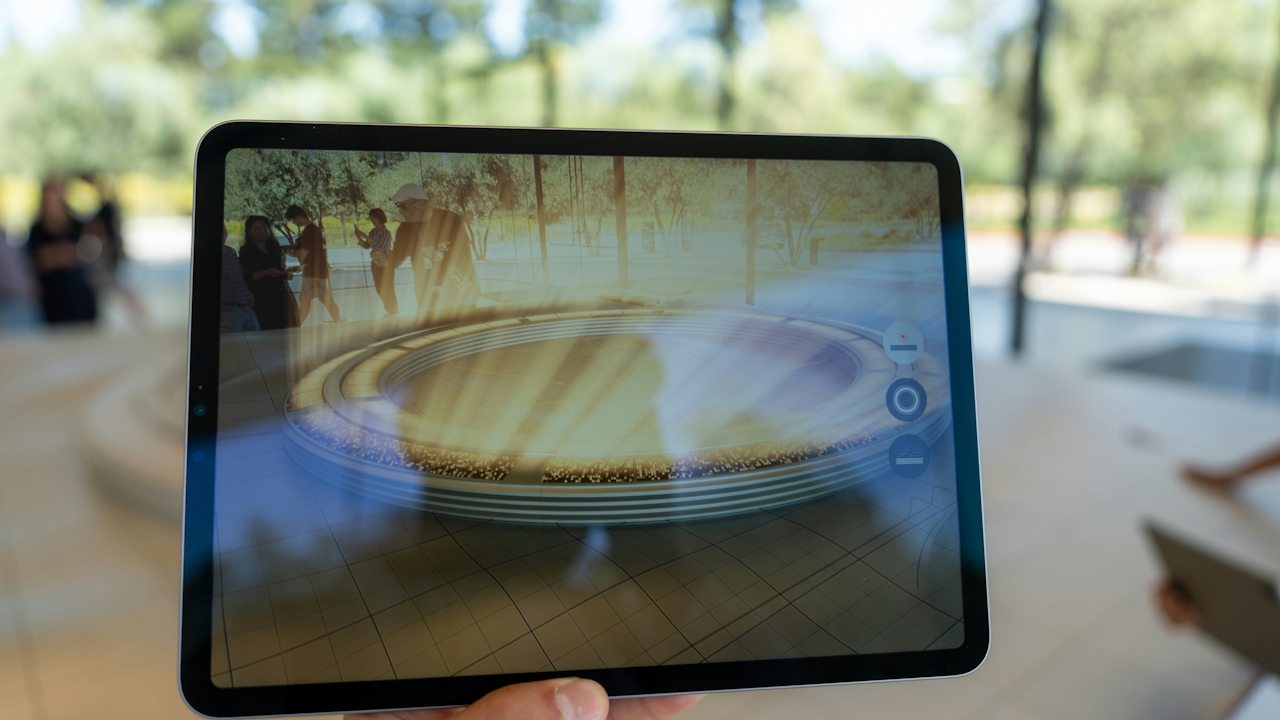
Augmented reality has emerged as one of the most transformative technologies for travel and tourism in recent years. By overlaying digital information onto the physical world through smartphones, tablets, or specialized glasses, AR travel guides create an immersive layer that enriches exploration without replacing the real environment. These tools turn ordinary sightseeing into interactive adventures, providing context, navigation, and personalization that traditional maps and guidebooks cannot match. This article explores the development, mechanics, applications, benefits, challenges, and future potential of AR travel guides.
The Evolution of Travel Guidance
Travel guidance has evolved dramatically over centuries. Ancient travelers relied on oral stories, rudimentary maps, and landmarks. The printing press brought detailed guidebooks like Baedeker’s manuals in the 19th century, which offered standardized routes and historical notes. The 20th century introduced audio tours via cassette players and later digital devices. GPS navigation in the early 2000s revolutionized wayfinding with turn-by-turn directions on screens.
Augmented reality represents the next leap. Early experiments with AR in tourism appeared in the late 1990s and early 2000s through research prototypes at universities and tech labs. These systems used bulky head-mounted displays to project simple annotations onto real scenes. The breakthrough came with the widespread adoption of smartphones equipped with cameras, GPS, accelerometers, and compasses. Apple’s ARKit in 2017 and Google’s ARCore in the same year made it straightforward for developers to build stable AR experiences for millions of devices.
Today, AR travel guides range from simple browser-based filters to sophisticated applications that recognize landmarks in real time and deliver layered information. They bridge the gap between physical presence and digital knowledge, allowing explorers to engage with destinations on multiple sensory and intellectual levels.
How AR Travel Guides Work
At their core, AR travel guides combine several technologies. Computer vision algorithms analyze the camera feed to detect and track objects, buildings, or points of interest. Simultaneous localization and mapping (SLAM) helps the device understand its position and orientation in three-dimensional space. GPS and other sensors provide coarse location data, while cloud computing delivers up-to-date content such as historical facts, user reviews, or translated signage.
When a user points their phone at a monument, the app might recognize it through image recognition databases and overlay text, 3D reconstructions of its original appearance, or audio narration. Advanced versions incorporate machine learning to personalize suggestions based on user preferences, past visits, or travel style. Some integrate with wearable devices for hands-free experiences, projecting information directly into the user’s field of view.
Content creation for these guides involves collaboration between developers, historians, local experts, and designers. 3D modeling recreates lost structures or shows architectural details invisible to the naked eye. Multilingual support and accessibility features ensure broader reach. Data privacy remains important, as these apps often require access to location and camera permissions.
Popular Applications and Real-World Examples
Several notable AR travel guides have gained traction. The Google Maps Live View feature uses AR to display directional arrows overlaid on the real world through the phone’s camera, making navigation in unfamiliar cities intuitive and reducing the need to stare at a flat map. Users walking through busy streets see virtual paths that align precisely with sidewalks and intersections.
In historical sites, applications like the AR experiences at the Roman Colosseum or Pompeii allow visitors to visualize ancient crowds, gladiatorial events, or daily life through their devices. Pointing a tablet at a ruined wall might reveal a reconstructed fresco or virtual actors performing period activities. Similar projects exist at Machu Picchu, the Acropolis in Athens, and Angkor Wat, where AR revives faded grandeur.
Museums have embraced AR for enhanced exhibits. The Smithsonian Institution and Louvre have piloted apps that bring artifacts to life, showing how statues once looked with original paint or demonstrating mechanisms in ancient tools. City-wide guides, such as those for Tokyo or Paris, provide layers for street art, hidden cafes, or architectural trivia as users wander.
Adventure-oriented AR apps blend education with gamification. Travelers might hunt for virtual treasures tied to local legends, solve historical puzzles at landmarks, or participate in scavenger hunts that encourage deeper exploration of neighborhoods. Eco-tourism benefits too, with AR overlays identifying flora and fauna in national parks or explaining geological formations in real time.
Benefits for Explorers and Destinations
AR travel guides significantly enhance real-world exploration in multiple ways. First, they provide immediate, contextual information. Instead of reading a plaque or consulting a separate app, users receive details seamlessly integrated with what they see. This reduces cognitive load and increases engagement.
Second, they promote accessibility. Visitors with limited mobility can explore sites virtually before physical visits, or use AR to magnify distant details. Language barriers diminish through instant translations of signs and menus. For visually impaired users, some systems pair with audio descriptions or haptic feedback.
Third, AR encourages slower, more mindful travel. By revealing hidden stories and connections, it discourages superficial snapshot tourism and fosters appreciation for cultural nuances. Families benefit from interactive elements that keep children interested, while solo travelers gain confidence in navigating new places.
For destinations and local economies, AR drives innovation and revenue. Tourism boards invest in these tools to differentiate their offerings and attract tech-savvy visitors. Extended dwell time at sites increases spending at nearby businesses. AR also aids preservation by reducing physical wear on fragile artifacts through virtual interaction. During peak seasons, digital queuing or virtual replicas help manage crowds sustainably.
Environmental advantages appear as well. Digital guides minimize the need for printed materials, and precise navigation can reduce unnecessary travel and fuel consumption. In sensitive ecosystems, AR can educate users about conservation without intrusive physical markers.
Challenges and Limitations
Despite clear advantages, AR travel guides face several hurdles. Technical reliability varies with lighting conditions, device quality, and network connectivity. In remote areas with poor signal, offline modes become essential but often offer reduced functionality. Battery drain from continuous camera and GPS use remains a practical concern for full-day explorations.
Accuracy issues can frustrate users. Misrecognized landmarks or outdated information may mislead rather than enlighten. Privacy worries arise from constant data collection, requiring transparent policies and user controls. Not everyone owns compatible high-end devices, creating a digital divide that excludes some travelers.
Cultural and ethical considerations matter too. Over-reliance on AR might disconnect people from authentic experiences or local interactions. There is a risk of homogenizing narratives if content comes primarily from external developers rather than community voices. Augmented elements could potentially distract from the intrinsic beauty of a place or create safety hazards if users become too immersed while walking.
Cost of development and maintenance poses barriers for smaller destinations. Creating high-quality 3D models and keeping content current requires ongoing investment. Regulatory frameworks around data usage and public space permissions are still evolving in many countries.
The Future of AR in Travel
Looking ahead, advancements will likely expand possibilities. Lightweight AR glasses, such as evolving versions of devices from companies like Meta or Apple, promise truly hands-free experiences with wider fields of view and better comfort for extended use. Integration with artificial intelligence will enable more natural conversations with virtual guides or dynamic storytelling that adapts to user reactions.
5G and future networks will support richer, real-time collaborative experiences where friends in different locations share AR views. Blockchain or decentralized systems might ensure content authenticity and fair compensation for local creators. Haptic suits or multisensory additions could simulate textures, smells, or temperatures tied to historical contexts, though these remain speculative.
Sustainability-focused AR could highlight carbon footprints of travel choices or suggest low-impact routes. In education, virtual time travel might become standard in school trips. Post-pandemic recovery has already accelerated adoption, as contactless and personalized experiences gained importance.
Hybrid models combining physical and digital will dominate. AR will not replace human guides but complement them, allowing experts to focus on deeper interactions while technology handles basic facts and navigation. Inclusive design will prioritize universal access across ages, abilities, and backgrounds.
Conclusion
AR travel guides represent a powerful enhancement to real-world exploration rather than a replacement for it. They amplify curiosity, deepen understanding, and remove barriers that once limited discovery. By blending the tangible with the informational, these tools invite travelers to see familiar places with fresh eyes and approach unknown destinations with greater confidence and wonder.
As the technology matures and becomes more accessible, its potential to foster responsible, informed, and joyful exploration grows. Destinations that embrace AR thoughtfully will likely thrive in an increasingly connected world, while travelers who use these guides mindfully will return home with richer memories and broader perspectives. The journey of discovery continues, now layered with digital insight that illuminates the path ahead.