

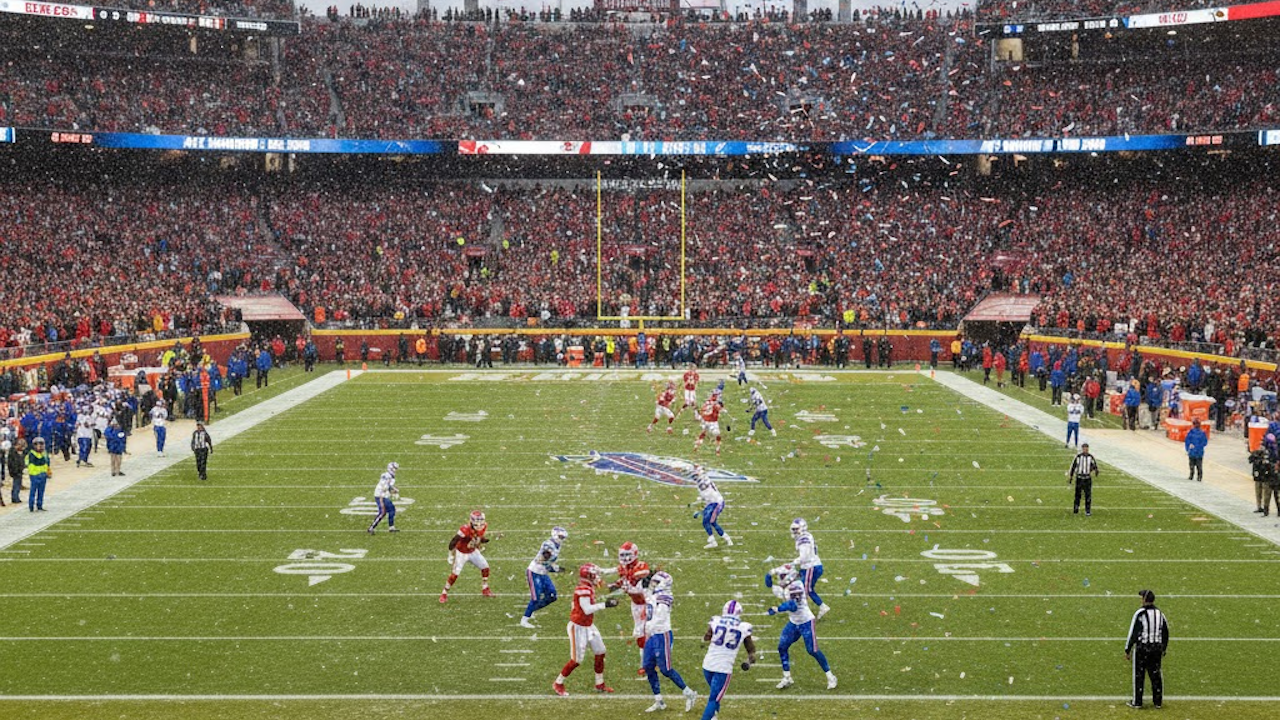
The New England Patriots defeated the Denver Broncos 10-7 in the 2026 AFC Championship Game on January 25, 2026, at Empower Field at Mile High. In a gritty, low-scoring defensive battle played under wintry conditions, the Patriots advanced to their 12th Super Bowl appearance in franchise history. Quarterback Drake Maye led the way with a combination of efficient passing and crucial runs, while the Patriots’ defense clamped down in the second half to secure the victory.
This matchup pitted two strong 2025 regular-season teams against each other. The Broncos entered as the top seed in the AFC with a formidable record, benefiting from home-field advantage throughout the playoffs. The Patriots, under head coach Mike Vrabel in what appeared to be an impactful first year, had climbed through the bracket with resilience. Both squads boasted elite defenses, setting the stage for a contest where points would come at a premium.
Season Context and Path to the Championship
The 2025 NFL season showcased a resurgence for both franchises. The Broncos, led by their stout defense and effective quarterback play, secured the AFC’s best record and earned a first-round bye. They had navigated earlier playoff rounds with poise, relying on their ability to control games on the ground and force turnovers. Denver’s home crowd at Mile High was expected to provide a significant boost, especially in cold weather.
New England, meanwhile, had reestablished itself as a contender. Drake Maye, in his development as the franchise quarterback, showed growth throughout the year. The Patriots finished with an impressive record that positioned them as a high seed. Their playoff path included victories that highlighted their adaptability, particularly in adverse conditions. Coach Vrabel’s emphasis on fundamentals and physicality prepared them well for a hostile road environment.
Entering the game, many analysts anticipated a close contest. The Broncos were favored slightly by some due to the home field and altitude, but the Patriots’ balance on both sides of the ball made them dangerous. Weather forecasts called for frigid temperatures in the low 20s, with potential snow and wind, factors that historically favor teams comfortable in such elements.
Game Recap: A Defensive Masterclass in the Snow
The game kicked off under sunny but cold skies, with temperatures around 25 degrees at kickoff. As the afternoon progressed, snow began to fall, intensifying in the second half and turning the field into a slick, challenging surface. Both teams struggled with traction and ball security, leading to a contest defined by field position and special teams more than explosive offense.
First Quarter: The Broncos struck first, capitalizing on an early drive to score a touchdown and take a 7-0 lead. Their ground game and short passes moved the chains effectively against the Patriots’ defense. New England, however, forced a stop on the next possession and began to settle in. The score remained 7-0 after the opening 15 minutes, with both offenses feeling the effects of the cold and altitude.
Second Quarter: The Patriots responded with their only touchdown of the game. Drake Maye orchestrated a methodical drive, culminating in a 6-yard keeper where he powered into the end zone. The extra point tied the game at 7-7. Defenses tightened from there, with several punts exchanged as turnovers and penalties disrupted rhythm. Maye showed composure, avoiding major mistakes despite limited passing lanes due to the Broncos’ pressure. The half ended knotted at 7-7.
Third Quarter: This period proved decisive. The Patriots opened with a long, clock-consuming drive that featured a standout 28-yard scramble by Maye on third-and-9, extending the play and keeping the drive alive. The march ended with a field goal by kicker Andy Borregales, giving New England a 10-7 lead. Snow began falling more heavily, further limiting big plays. The Broncos mounted a response but were turned away on key downs, as the Patriots’ front seven disrupted running lanes and pressured the quarterback.
Fourth Quarter: Denver pushed hard for the tying or go-ahead score, but New England’s defense held firm. Maye managed the game effectively, using his legs to pick up crucial first downs. A notable 7-yard keeper on third-and-5 in the final minutes helped seal the victory by running out the clock. The Broncos’ final drive fell short, ending with a turnover on downs or an incomplete pass as time expired. Final score: Patriots 10, Broncos 7.
Key Performances
Drake Maye finished with 86 passing yards but made his impact felt through mobility, rushing for 65 yards and accounting for the game’s lone offensive touchdown. His ability to extend plays and protect the football was critical, especially after facing pressure earlier in the playoffs. Wide receivers like Stefon Diggs contributed with contested catches, though the passing game was secondary to the run and defense.
The Patriots’ defense excelled in limiting the Broncos’ offense after the first quarter. They controlled the line of scrimmage and forced the home team into difficult third downs. Special teams also played a role, with field position battles favoring New England in the latter stages.
For the Broncos, the defense performed admirably, keeping the game within reach despite the offensive limitations imposed by the weather and Patriots’ scheme. Quarterback Jarrett Stidham, stepping in during the game or playoffs, faced challenges moving the ball consistently in the snow. Denver’s inability to convert red-zone opportunities or sustain drives in the second half proved costly.
Tactical and Environmental Factors
The snowy conditions in the second half significantly influenced strategy. Passing accuracy declined, and ball carriers had to navigate slippery footing. Teams relied more on conservative play-calling, punting frequently to flip the field. The Patriots appeared better prepared for these elements, possibly drawing from their history of success in cold-weather games. Altitude added another layer, testing endurance as the clock wound down.
Coaching decisions stood out. Vrabel’s trust in Maye to run the ball in critical moments paid dividends. On the other side, aggressive choices early, such as fourth-down attempts, did not fully materialize into sustained momentum. The spot of the ball on several measurements also drew attention, influencing drive outcomes.
Historical Significance and Aftermath
This victory marked the Patriots’ return to the Super Bowl for the first time in several years, adding another chapter to their storied legacy. It was their 12th appearance overall. Beating the Broncos on the road in the playoffs represented a notable achievement, especially given past history between the franchises.
For Denver, the loss ended a promising season. The Broncos had high expectations entering the year, and reaching the AFC Championship validated their rebuild. They will look to address areas exposed in this game, particularly offensive consistency in adverse conditions, as they prepare for 2026.
The game highlighted the evolution of the modern NFL, where young quarterbacks like Maye can thrive through versatility rather than sheer volume passing. It also underscored the enduring value of strong defenses and adaptability in the postseason.
As the Patriots prepare for Super Bowl LX, they carry momentum from a hard-fought road win. Fans across New England celebrated the triumph, while Broncos supporters reflected on a season of growth despite the final outcome. This AFC Championship will be remembered as a classic defensive struggle, where execution in the elements separated the victors.
The road to the Super Bowl is never easy, and on this January day in Denver, the Patriots proved they had the resilience required to advance. Their next challenge awaits on the biggest stage in American sports.