

In a world where daily routines often feel predictable and safe, a growing number of adventurers seek out experiences that push the boundaries of human endurance, courage, and curiosity. Adventure travel, particularly its extreme variants, offers exactly that: journeys into the unknown that combine physical challenge, mental fortitude, and raw natural power. For thrill-seekers, these trips are not mere vacations but transformative quests where every decision can mean the difference between triumph and peril. From scaling unforgiving mountain peaks to plunging into uncharted underwater realms, extreme adventure travel delivers adrenaline in its purest form while fostering a profound connection to the planet’s wildest corners.
What distinguishes extreme trips from standard adventure outings is the intensity of risk and reward. These expeditions typically involve remote locations far from medical facilities, activities that demand elite fitness levels, and environments that can shift from serene to savage in moments. Participants might face subzero temperatures, raging rapids, or sheer vertical drops thousands of feet high. Yet the appeal lies in conquering these obstacles. Thrill-seekers report heightened senses, unbreakable bonds with fellow explorers, and a renewed appreciation for life’s fragility. Industry data from organizations tracking global tourism trends shows that demand for such high-octane experiences has surged, with operators reporting record bookings for expeditions that once seemed reserved for elite athletes or explorers of old.
The spectrum of extreme adventures caters to diverse tastes and skill sets. Mountaineering stands as one of the most iconic. Imagine ascending Mount Everest, the world’s highest peak at 8,848 meters, where the thin air tests lungs and the Khumbu Icefall demands precise footwork across crevasses that could swallow a team whole. Expeditions here last weeks, involving acclimatization rotations, fixed ropes on icy slopes, and summit pushes timed against brutal weather windows. Similar challenges await on peaks like K2 in Pakistan or Denali in Alaska, where climbers battle isolation and avalanches. Training often begins years in advance with high-altitude simulations and technical ice climbing courses.
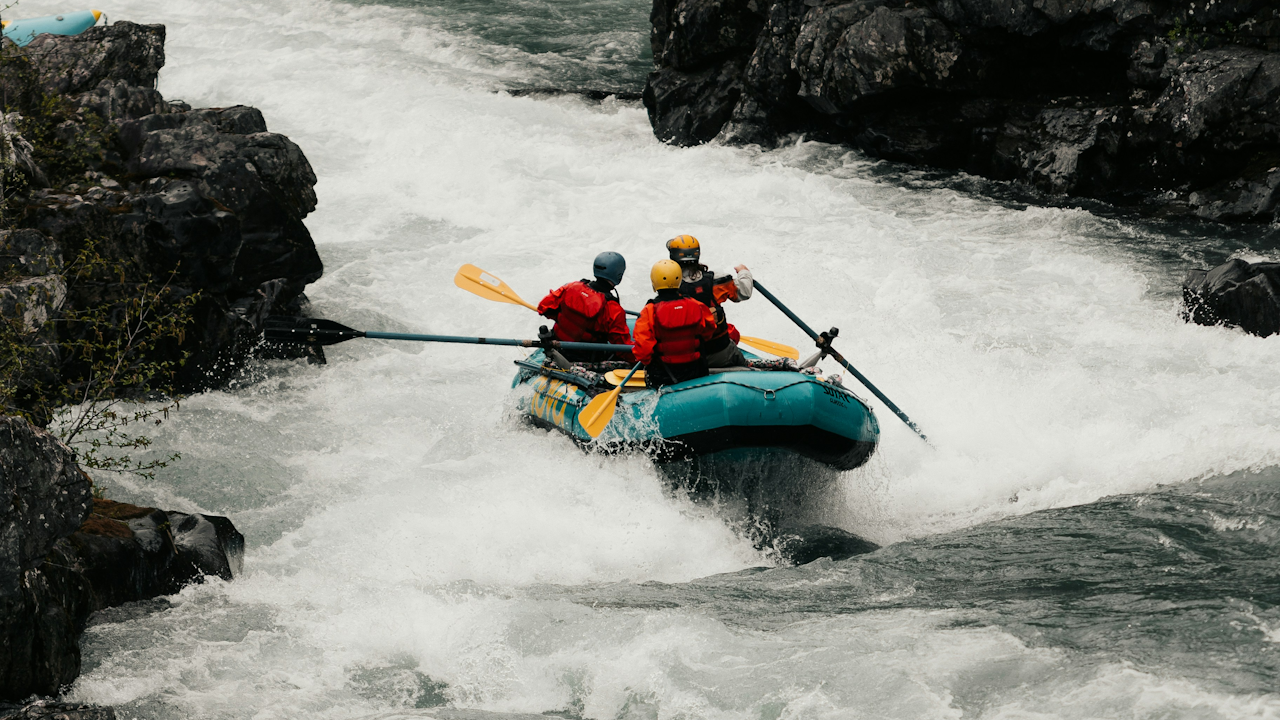
For those drawn to water’s fury, whitewater rafting or kayaking on Class V rivers delivers nonstop thrills. The Colorado River through the Grand Canyon features rapids with names like Lava Falls, where massive waves can flip boats and test every ounce of teamwork. In South America’s Futaleufu River in Chile, rafters navigate glacial meltwaters carving through narrow gorges. Multi-day trips include camping on remote beaches and portaging gear around impassable sections. Safety relies on expert guides who read the water like a book, but the sport still claims lives each season when mistakes occur.
Skydiving and its more daring cousin, BASE jumping, elevate the experience to aerial extremes. A standard skydive from 10,000 feet offers freefall speeds exceeding 120 miles per hour, but thrill-seekers graduate to wingsuit flying in places like Norway’s Troll Wall or Switzerland’s Lauterbrunnen Valley. BASE jumping from cliffs, bridges, or antennas requires pinpoint timing and parachute deployment within seconds. These activities demand hundreds of prior jumps and specialized gear, yet they remain among the highest-risk pursuits in adventure travel.
Underwater realms provide another frontier. Technical scuba diving in wrecks or caves, such as the Blue Hole in Belize or the cenotes of Mexico’s Yucatan Peninsula, involves overhead environments where a single error can trap divers. Shark cage diving off South Africa’s coast or in the waters near Guadalupe Island allows close encounters with great whites, their powerful forms gliding mere feet away. For the truly extreme, saturation diving or rebreather use in deep wrecks like the Andrea Doria off the U.S. East Coast pushes limits of nitrogen narcosis and decompression sickness.
Polar expeditions represent the ultimate test of resilience. Crossing Antarctica on skis while pulling sledges loaded with supplies, as modern explorers emulate Ernest Shackleton’s legendary treks, involves 24-hour daylight or darkness, crevasses hidden under snow bridges, and temperatures dropping to minus 50 degrees Celsius. In the Arctic, kayaking among icebergs or dogsledding across frozen tundra offers similar isolation. These trips often span months and require polar-specific survival training, including crevasse rescue and emergency shelter building.
Volcano exploration adds an element of geological drama. Hiking active craters like those in Iceland’s Fagradalsfjall or Vanuatu’s Mount Yasur lets adventurers peer into bubbling lava lakes while wearing heat-resistant gear. Ash plumes and sudden eruptions demand constant vigilance from guides equipped with seismic monitors. Closer to home for many, cave diving in systems like Florida’s Woodville Karst Plain or Spain’s Rio Tinto caves reveals underground rivers and chambers untouched for millennia.
Jungle expeditions in the Amazon or Borneo take thrill-seekers deep into biodiversity hotspots. Multi-week treks involve hacking through dense undergrowth, crossing piranha-filled rivers, and camping amid jaguars and anacondas. Indigenous guides share knowledge of medicinal plants and survival techniques, turning the trip into a cultural immersion as well as a physical ordeal.
New Zealand, long hailed as the adventure capital of the world, offers a concentrated menu of extremes. Bungee jumping from the Kawarau Bridge near Queenstown pioneered the sport commercially, while nearby Shotover River jet boating races through narrow canyons at high speeds. Heli-skiing in the Southern Alps drops skiers onto untouched powder with helicopter access only, far from groomed resorts.
Patagonia in Chile and Argentina combines mountains, glaciers, and fjords for epic treks like the Torres del Paine Circuit or the W Route, where hikers cross suspension bridges over roaring rivers and camp beneath granite spires. The region’s unpredictable winds can reach hurricane force, adding unpredictability to every step.
Preparation separates successful extreme travelers from those who turn back early or worse. Physical conditioning is non-negotiable. Months of targeted training build cardiovascular endurance, strength, and flexibility. For mountaineers, this means stair climbing with weighted packs or simulated altitude tents. Kayakers log river miles in progressively tougher conditions. Mental preparation involves visualization techniques and stress inoculation training to handle panic in high-stakes moments.
Gear selection can make or break an expedition. High-end waterproof shells, insulated layers, and technical boots are standard, but specifics vary. Climbers invest in crampons, ice axes, and harnesses certified to withstand falls. Divers carry redundant regulators and dive computers. Satellite phones, personal locator beacons, and GPS devices with offline maps ensure communication in areas without cell service. Reputable operators provide much of this equipment, but personal items like custom-fitted helmets or boots enhance comfort and safety.
Choosing the right outfitter matters immensely. Established companies with decades of experience maintain stringent safety protocols, including rigorous guide certifications and emergency evacuation plans. They conduct thorough medical screenings and require participants to sign detailed waivers acknowledging inherent risks. Budget options may cut corners on insurance or training, so thorough vetting through reviews and accreditation bodies is essential.
Safety protocols evolve constantly with technology. Drones now scout routes ahead of teams, while wearable devices monitor vital signs in real time and alert guides to early signs of altitude sickness or hypothermia. Weather forecasting apps tailored to remote zones help teams avoid storms. Still, no system eliminates all danger. Avalanches, flash floods, or wildlife encounters remain unpredictable. Travelers must accept personal responsibility, carrying their own first-aid kits and knowing basic wilderness medicine.
Environmental stewardship has become integral to modern extreme travel. Thrill-seekers increasingly prioritize operators who practice Leave No Trace principles, minimizing waste and avoiding sensitive habitats. Carbon offsets fund tree planting or renewable energy projects to counter the flights required to reach distant sites. In fragile ecosystems like coral reefs or polar ice caps, guides enforce strict rules against touching marine life or disturbing nesting birds.
The rewards extend far beyond the adrenaline rush. Many participants describe profound personal growth. Overcoming a fear of heights on a via ferrata route in the Dolomites or paddling through Class VI rapids builds unshakeable confidence that transfers to everyday challenges. Team dynamics forged in adversity create lifelong friendships. The sheer scale of nature encountered reminds travelers of humanity’s small place in the grand scheme, fostering humility and gratitude.
Health benefits are well documented. Extreme activities improve cardiovascular fitness, bone density, and mental health through endorphin release and nature immersion. Studies link such experiences to reduced anxiety and enhanced problem-solving skills. For some, these trips mark milestones like turning 50 or celebrating a career change, providing closure or fresh starts.
Cultural exchanges enrich the journey. In Nepal, porters and Sherpa communities share stories around campfires after a Himalayan trek. In the Canadian Yukon, First Nations guides teach traditional navigation during dogsled expeditions. These interactions promote respect and support local economies through fair wages and community projects.
Looking ahead, extreme adventure travel continues to innovate. Hybrid trips combine multiple disciplines, such as a mountaineering expedition ending with a paraglider descent. Virtual reality simulations now allow pre-trip rehearsals of technical sections. Climate change, however, poses challenges. Shrinking glaciers in the Alps or rising seas threatening dive sites force operators to adapt routes and advocate for conservation.
Despite these shifts, the core appeal remains timeless. Extreme trips strip away modern comforts, forcing reliance on skill, instinct, and camaraderie. They deliver stories worth telling for decades: the moment a summit is reached at dawn, the rush of a perfect kayak line through a rapid, or the quiet awe of standing alone on an Antarctic ice shelf under the aurora.
For aspiring thrill-seekers, the path begins with honest self-assessment. Start small with a local rock-climbing gym or introductory skydive, then progress to multi-day rafting or high-altitude hikes. Research extensively, save diligently, and select trips matching current fitness levels. Consult physicians familiar with extreme sports for clearance. Most importantly, embrace the unknown with respect rather than recklessness.
The world brims with extreme destinations waiting to be explored. Whether summiting Aconcagua in the Andes, diving with hammerheads in the Galapagos, or trekking the Inca Trail under starlit skies before tackling more technical routes, each journey offers a unique chapter in a life lived boldly. Adventure travel at its most intense does not merely entertain; it redefines what is possible.
Those ready to answer the call will find that the greatest thrill lies not in the destination alone but in the person who emerges on the other side: stronger, wiser, and forever changed by the wild places that test and ultimately reward the human spirit. Pack your bags, train hard, and step into the extraordinary. The next epic tale awaits.