

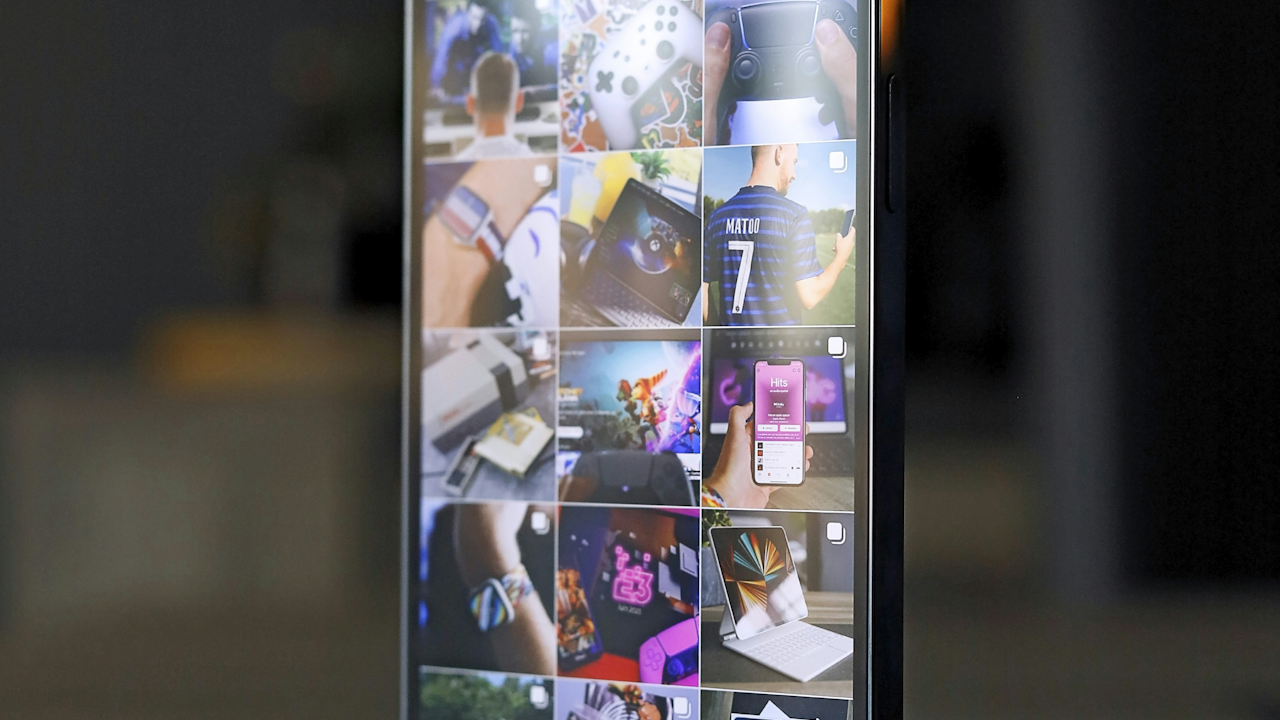
In the fast-paced realm of social media, Instagram remains the ultimate stage for visual creators. A single photograph can stop scrolls, spark conversations, and build entire communities. Yet the perfect Instagram photograph rarely happens by accident. It results from careful planning, technical skill, creative vision, and a deep understanding of what resonates with audiences. This guide explores every element required to elevate your images from ordinary snapshots to scroll-stopping masterpieces. Whether you shoot with a smartphone or a professional camera, these strategies will help you craft photos that perform exceptionally well on the platform.
Start by defining what perfection means for your specific goals. For some users, it involves high engagement rates and comments. For others, it centers on building a cohesive aesthetic that reflects personal style or brand identity. Perfection also depends on your niche. Travel photographers prioritize breathtaking landscapes and vibrant colors. Food influencers focus on texture and appetite appeal. Fashion creators emphasize clean lines and flattering poses. Before picking up your device, clarify your purpose. Ask yourself who will see the image and what emotion or action you want to inspire. This clarity guides every subsequent decision from composition to caption.
Mastering your equipment forms the foundation of great Instagram photography. Most users rely on smartphones, and modern models deliver remarkable results when handled correctly. Clean your lens before every shoot to avoid smudges that ruin clarity. Enable grid lines in your camera settings to apply the rule of thirds effortlessly. Shoot in the highest resolution available and in RAW or ProRAW format whenever possible. These files preserve more data for later editing. Use volume buttons or a remote shutter to minimize camera shake. For added stability, invest in a lightweight tripod or a phone grip with a built-in stand. Natural light works wonders, but portable LED panels or ring lights prove invaluable for indoor or evening sessions. If you progress to mirrorless or DSLR cameras, prioritize lenses with wide apertures for beautiful background blur. A 50-millimeter prime lens serves as an excellent all-purpose choice for portraits and everyday scenes.
Composition determines whether an image feels balanced or chaotic. The rule of thirds remains one of the most reliable techniques. Imagine your frame divided into nine equal sections by two horizontal and two vertical lines. Position key elements along these lines or at their intersections. This placement creates natural visual tension that draws the eye. Leading lines guide viewers through the photograph. Roads, fences, shadows, or even the edge of a table can serve this purpose. They pull attention toward your main subject and add depth. Symmetry offers another powerful option. Centering a subject works beautifully for architecture, reflections, or minimalist scenes. Negative space, the empty areas around your focal point, provides breathing room and emphasizes importance. Experiment with framing by shooting through doorways, windows, or foliage to add layers and intrigue.
Lighting transforms good photos into extraordinary ones. Golden hour, the period shortly after sunrise or before sunset, bathes everything in warm, soft light that flatters skin tones and creates long, dramatic shadows. Blue hour, the time just after sunset, delivers cool tones and rich skies ideal for cityscapes. Harsh midday sun often produces unflattering results with deep shadows and blown highlights. When forced to shoot in bright conditions, seek open shade or use a diffuser to soften light. Backlighting creates ethereal silhouettes and glowing edges around hair or clothing. Side lighting accentuates texture and dimension, perfect for landscapes or product shots. Front lighting works well for clear, evenly lit portraits but can appear flat without careful posing. Always check your histogram in camera to ensure balanced exposure. Slight underexposure preserves highlight details that can be recovered during editing.
Subject selection and styling play crucial roles in creating memorable images. Choose elements that tell a story or evoke emotion. A simple coffee cup on a windowsill can feel intimate and cozy when styled with thoughtful details like an open book or fresh flowers. For portraits, direct your subject to relax their shoulders, angle their body slightly, and look just past the camera for a natural expression. Hands add expressiveness but require careful placement to avoid awkwardness. In lifestyle photography, include context that reveals personality or lifestyle. Props should enhance rather than overwhelm. Color coordination strengthens visual impact. Complementary colors create harmony while contrasting hues generate energy. Study color wheels to understand which combinations work best for your aesthetic.
Editing refines your vision and establishes consistency across your feed. Mobile apps like Lightroom, VSCO, Snapseed, and the built-in Instagram editor offer powerful tools without requiring desktop software. Begin by adjusting exposure, contrast, and white balance to correct any camera inaccuracies. Increase clarity or texture to reveal details without over-sharpening. Vibrance boosts colors selectively while saturation affects everything equally. Use both sparingly to maintain natural appearance. Selective adjustments allow you to brighten faces while darkening backgrounds or enhance skies independently. Presets accelerate workflow and ensure brand consistency. Create custom presets based on your signature look, perhaps a warm film emulation or cool minimalist tone. Always edit with your final platform in mind. Instagram compresses images, so slightly oversaturate and sharpen before uploading to compensate.
Developing a recognizable aesthetic separates casual posters from influential creators. Plan your grid using preview apps that let you arrange photos before publishing. Alternate between close-ups and wide shots, vertical and horizontal orientations, or bright and moody tones. Themes might include recurring color palettes, subject matter, or compositional styles. Some accounts maintain a strict nine-photo grid pattern where every third image follows a specific rule. Others embrace free-flowing variety while still feeling cohesive through consistent editing. Batch editing multiple similar images at once saves time and improves uniformity. Review your profile periodically from a new account perspective to identify gaps or visual clutter.
Timing and engagement strategies extend the life of your photographs beyond the initial post. Instagram favors content published when your audience is most active. Use built-in insights to discover peak hours for your followers. Weekday mornings and evenings often perform well for lifestyle content while weekends suit travel and leisure themes. Captions transform static images into conversations. Share the story behind the photo, ask questions, or offer value through tips and insights. Emojis add personality without cluttering text. Hashtags remain relevant when used strategically. Research trending and niche-specific tags rather than relying on overly competitive ones. Limit to five to ten per post to avoid appearing spammy. Location tags increase discoverability for local or travel content.
Advanced techniques open new creative possibilities once fundamentals are mastered. Shallow depth of field isolates subjects beautifully using portrait mode on smartphones or wide apertures on dedicated cameras. Bokeh, the aesthetic quality of out-of-focus points of light, adds magical sparkle to night scenes. Long exposures captured with neutral density filters create silky water effects or light trails in urban environments. Multiple exposures or double exposures blend two moments into one dreamlike image. Panorama stitching produces sweeping landscapes that feel immersive when viewed on mobile screens. Hyperlapse or time-lapse sequences can be turned into still frames that capture movement in a frozen instant.
Avoid common pitfalls that undermine otherwise strong photographs. Over-editing leads to unnatural skin tones, halo effects around edges, or crushed shadows. Always zoom in during editing to check for artifacts. Poor composition cannot be fully rescued in post-production. Cropping too aggressively reduces resolution and quality. Ignoring accessibility features such as alt text limits reach and inclusivity. Posting at inconsistent intervals confuses the algorithm and your audience. Repetitive content without fresh angles causes follower fatigue. Copyright issues arise when using music or other creators work without permission. Always give credit where due and seek proper licensing for commercial images.
Practice forms the bridge between knowledge and mastery. Dedicate time each week to deliberate shooting sessions focused on one skill. Challenge yourself with constraints like shooting only in black and white or using a single focal length. Study accounts you admire by analyzing their compositions, lighting, and editing choices. Recreate their setups with your own twist to internalize techniques. Join photography communities or challenges to receive constructive feedback. Track which posts perform best and identify patterns in lighting, subject matter, or timing. Over months, these insights compound into intuitive decision-making.
Technical considerations specific to Instagram deserve attention. Square format remains classic though vertical 4:5 and 9:16 stories offer alternatives. Maintain at least 1080 pixels on the shortest side for sharp display. File sizes under 8 megabytes upload faster and compress less aggressively. Test different aspect ratios to see what suits your style. Vertical images often perform well in feeds while horizontal shots shine in carousels. Use the preview function before posting to ensure captions and tags appear correctly.
Building a sustainable photography practice prevents burnout and maintains quality. Schedule dedicated shooting days separate from editing sessions. Carry your phone or camera everywhere to capture spontaneous moments that often become your best work. Create mood boards on Pinterest or physical prints to spark inspiration during creative slumps. Collaborate with other creators to exchange ideas and access new locations or props. Rest and recharge to keep your eye fresh. The most compelling images frequently arise from genuine passion rather than forced perfectionism.
In conclusion, achieving the perfect Instagram photograph combines technical proficiency with artistic intuition and audience awareness. No single formula guarantees success because tastes evolve and algorithms shift. Yet by consistently applying principles of strong composition, flattering light, thoughtful styling, and polished editing, you position yourself for meaningful growth. Treat each post as both a finished product and a learning opportunity. Study performance metrics without becoming enslaved by them. Most importantly, enjoy the process of creation. The photographers whose work resonates deepest are those who shoot from a place of authentic curiosity and joy. Start implementing these strategies today, one photograph at a time, and watch your Instagram presence transform into a gallery of images that truly captivate. Your next scroll-stopping masterpiece awaits behind the shutter button.