

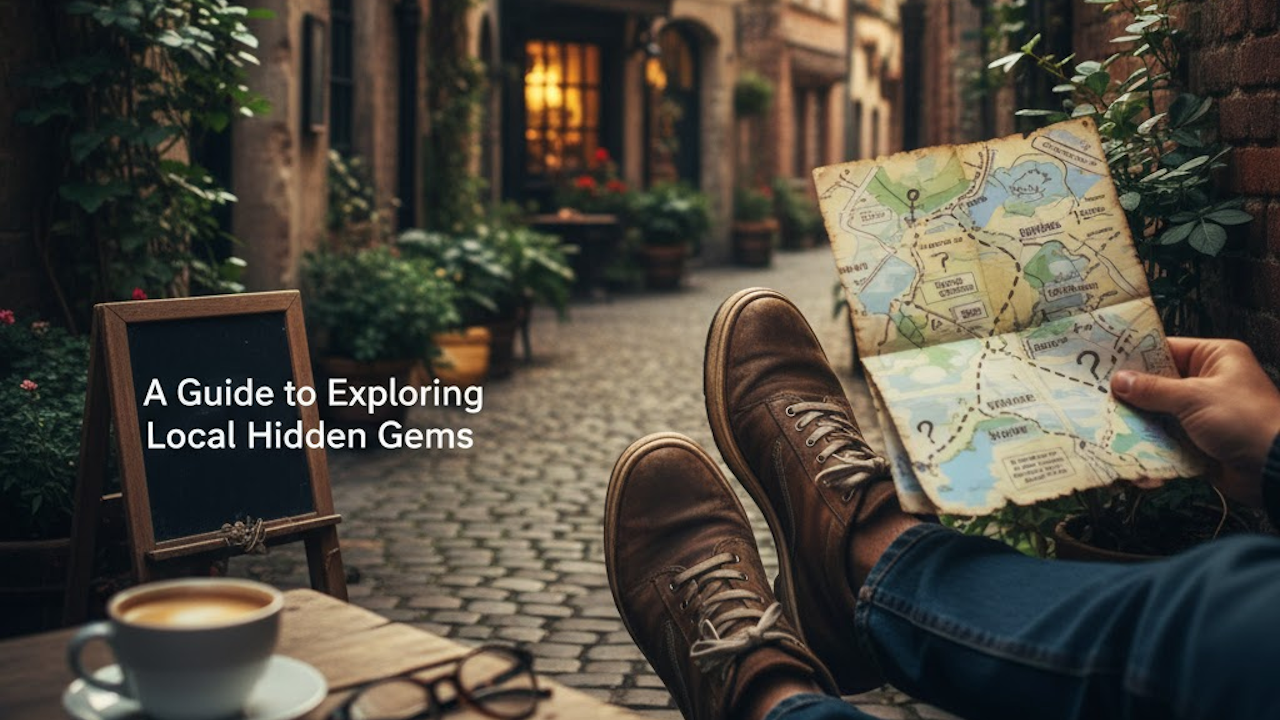
Exploring your own city can feel routine when you stick to the same routes, the same cafes, and the same parks you have known for years. Yet every urban area holds layers of discovery that most residents never uncover. Hidden gems are those places, experiences, and corners that sit outside the usual recommendations in guidebooks or popular apps. They reward curiosity with a stronger sense of belonging, memorable stories, and a fresh appreciation for the place you call home. This guide will help you move beyond the obvious and develop a habit of meaningful local exploration that can last a lifetime.
Hidden gems come in many forms. They might be a tiny bakery tucked behind a laundromat that serves the best almond croissants in the neighborhood. They could be a narrow alley lined with murals painted by artists who live upstairs. Some are natural pockets such as a community garden growing rare herbs or a forgotten staircase that leads to a panoramic view of the skyline. Others are social, like a weekly gathering in a church basement where older residents share oral histories over tea. The common thread is that these spots feel personal rather than packaged. They often support small businesses, preserve local culture, and give you stories you cannot find online.
Why Hidden Gems Matter More Than Ever
Cities grow quickly. New developments replace older buildings, and popular spots attract crowds that change their character. When you seek out hidden gems you help keep smaller enterprises alive. You also reduce pressure on overcrowded attractions that suffer from overtourism. On a personal level, wandering into unfamiliar territory builds confidence and sharpens observation skills. You learn to read the subtle signals of a neighborhood, such as which streets feel safe at different times or which shopkeepers enjoy a short chat.
Exploration also combats the sameness that can settle into daily life. Instead of scrolling through the same feeds, you create real memories tied to specific streets and faces. Many people report that regular local adventures improve their mood and even their physical health because walking and curiosity keep both body and mind active. In addition, discovering these places often leads to conversations with longtime residents who share knowledge that no website can capture.
Defining Hidden Gems in Practical Terms
A hidden gem is not simply any quiet spot. It is a place or experience that feels authentic to the city and is not heavily promoted to outsiders. It might be known to a few hundred locals rather than thousands of visitors. The best examples change with the seasons or even the time of day. A courtyard that is peaceful in the morning might host a lively chess game in the afternoon. A food stall that seems ordinary at lunch could become the center of a neighborhood festival by evening.
Look for places that require a small extra step to reach. This could mean turning down a side street instead of staying on the main boulevard, asking a question at a counter instead of ordering from a menu board, or accepting an invitation to step through an unmarked door. The slight barrier keeps the experience special and prevents it from becoming another crowded destination.
Research Methods That Actually Work
The most reliable way to find hidden gems is through people rather than screens. Start conversations in everyday settings. Ask the person who makes your coffee where they eat on their day off. Chat with the newspaper vendor about the oldest shop still operating on the block. Taxi and rideshare drivers often know shortcuts and overlooked landmarks because they move through the city all day. These conversations work best when you show genuine interest rather than treating the person as an information source.
Local online communities can help once you know how to use them. City specific forums and neighborhood groups on social platforms frequently feature threads where residents recommend spots they want to protect from becoming too popular. Search for phrases such as “locals only” or “off the beaten path” along with your city name. Read recent posts because recommendations change when new construction or ownership shifts occur.
Libraries and historical societies hold physical resources that digital searches miss. Old maps, city directories from past decades, and collections of local photographs can reveal buildings and streets that still exist but have faded from public memory. Many libraries also host talks by longtime residents who love to share stories about vanished or transformed places.
Another effective technique is deliberate wandering. Choose a neighborhood you do not know well and set aside two or three hours with no fixed destination. Walk slowly and notice details such as hand painted signs, unusual architectural details, or small courtyards visible through gates. Carry a small notebook to record addresses or observations. You will be surprised how many interesting places appear when you remove the pressure to reach a specific spot.
Public transportation offers another low cost method. Ride a bus or train line to its final stop and explore the area on foot. The neighborhoods at the ends of lines are often less visited by people who stay closer to the city center. You can also get off at random stops that look interesting from the window and walk a few blocks in any direction.
Culinary Hidden Gems Worth Seeking
Food experiences rank among the most rewarding hidden gems because they engage multiple senses and often cost little. Look beyond the main restaurant strips for family run eateries that have served the same neighborhood for decades. These places may have no website and limited hours, yet they offer dishes made with recipes passed down through generations.
Street food and market stalls provide another rich category. Many cities have informal vendors who appear at certain times of day near transit hubs or construction sites. The food is usually inexpensive and reflects the tastes of the workers and residents who rely on it. Ask vendors about their specialties and you may receive suggestions for other nearby spots.
Some hidden food experiences involve unusual settings rather than unusual menus. A bakery inside a former garage, a coffee roaster operating from a shipping container behind an apartment building, or a pop up dinner served in a community center kitchen on weekends can all qualify. These venues often appear through word of mouth or short lived social media posts, so staying alert to local announcements helps.
When you find a promising spot, approach it with respect. Many small food businesses operate on thin margins and cannot accommodate large groups or special requests during busy periods. Order what the regulars order, bus your own table if that is the custom, and leave a tip that reflects the personal service you received.
Cultural and Historical Discoveries
Every city contains historical layers that most residents never see. Look for small museums housed in former homes or factories rather than grand institutions. These places often focus on one industry, one ethnic community, or one period of local history and feature artifacts and stories you will not encounter elsewhere.
Street art and public installations change frequently and reward repeat visits. Some alleys and underpasses host rotating murals by local artists. Others feature mosaics or sculptures created by community groups. Walking these routes at different times of day reveals how light and shadows alter the works. Many artists appreciate when visitors stop to look closely and ask thoughtful questions about the process or meaning.
Architectural oddities form another rich category. Search for buildings that stand out because of unusual materials, strange proportions, or decorative details that seem out of place. A row of Victorian houses with elaborate ironwork, a mid century modern apartment block tucked among older structures, or a converted industrial building now serving as artist studios can all spark curiosity. Many cities offer self guided walking tours created by preservation groups that highlight these features without large crowds.
Oral history projects and community archives provide living connections to the past. Some neighborhoods organize regular storytelling evenings where older residents recount how the area has changed. These events often take place in libraries, churches, or senior centers and cost nothing to attend. Listening to firsthand accounts adds depth to the physical places you explore.
Nature and Outdoor Hidden Gems
Urban nature exists in surprising forms. Pocket parks, community gardens, and green spaces along old rail lines or waterways offer quiet escapes within dense neighborhoods. These areas are often maintained by volunteers who welcome visitors who follow simple rules such as staying on paths and taking litter with them.
Rooftop and elevated spaces provide another category of outdoor discovery. Some apartment buildings, parking structures, and office complexes allow public access to roof decks or terraces during certain hours. The views from these heights often include layers of the city that street level exploration misses. Always check posted rules and hours before ascending.
Waterfronts and riverbanks frequently hide small beaches, fishing spots, or walking paths that are not marked on standard maps. Early morning or late afternoon visits increase your chances of seeing wildlife such as birds or small mammals that avoid busier times. Bring binoculars if you enjoy observing nature, and move slowly to avoid disturbing animals.
Seasonal changes transform outdoor hidden gems. A grove of trees that provides shade in summer might reveal interesting bark patterns or fallen leaves worth photographing in autumn. Winter can expose architectural details hidden by foliage during warmer months. Paying attention to these cycles deepens your connection to the local environment.
Artistic and Creative Spaces
Independent galleries and artist studios often open their doors for short periods or special events rather than maintaining regular hours. Following local art organizations on social platforms or signing up for their newsletters can alert you to open studio weekends and pop up exhibitions. These events allow direct conversation with creators and sometimes include demonstrations or hands on activities.
Craft workshops and maker spaces represent another avenue for creative exploration. Many cities host community workshops where residents can learn skills such as pottery, printmaking, or woodworking for a modest fee. These spaces often double as gathering points where you meet people who share your interests.
Performance venues in unexpected locations add variety to cultural outings. A theater company operating from a former warehouse, a music series held in a bookstore after hours, or a dance performance in a public park can all deliver memorable evenings. These events tend to attract engaged audiences and create a sense of shared discovery among attendees.
Shopping and Market Experiences
Flea markets and swap meets that operate on weekends or certain weekdays offer opportunities to find unique items while supporting local sellers. Arrive early to see the best selection and stay to observe the social interactions that form part of the market culture. Many vendors enjoy talking about the history of their goods or demonstrating how items were made.
Vintage and secondhand shops located away from main shopping districts often carry inventory that reflects the specific history of the surrounding neighborhood. These stores may specialize in clothing from particular eras, household items from local manufacturers, or books with inscriptions from previous owners who lived nearby. Taking time to browse slowly and ask questions can uncover both objects and stories.
Artisan markets that feature work by local makers rather than imported goods provide another shopping category. These events frequently occur in parks, community centers, or temporarily closed streets. They allow you to purchase directly from creators and learn about the materials and techniques involved in each piece.
Unique Experiences and Events
Some hidden gems are experiences rather than fixed locations. Night markets that appear after dark in parking lots or along side streets offer food, crafts, and entertainment in an informal setting. These markets often rotate locations, so checking community boards or local social media groups helps you find the next one.
Speakeasy style bars and secret cocktail lounges operate behind unmarked doors or require a password or reservation. The best examples focus on quality drinks and conversation rather than gimmicks. They reward guests who arrive with an open mind and respect for the intimate atmosphere.
Community events such as block parties, seasonal festivals, and skill sharing gatherings bring neighbors together in ways that scheduled tourist activities cannot replicate. These events often welcome visitors who contribute positively, whether by bringing a dish to share or simply participating respectfully in activities.
Escape rooms and interactive games set in unusual buildings provide another form of discovery. Some occupy historic structures or former industrial spaces and incorporate local history into their stories. These experiences combine entertainment with a chance to explore architecture that might otherwise remain closed to the public.
Exploring Responsibly and Safely
Responsible exploration protects both the places you visit and the people who live near them. Always respect private property and posted signs. If a door or gate is closed, do not enter. Many hidden gems exist precisely because they have not been overrun, and careless behavior can lead to access being restricted.
Safety considerations matter, especially when exploring alone or in unfamiliar areas. Visit during daylight hours on your first trip to any new location. Tell a friend or family member where you plan to go and when you expect to return. Trust your instincts if a situation feels uncomfortable and leave immediately. Carry a fully charged phone and a small amount of cash for emergencies.
Environmental responsibility includes leaving no trace. Take all trash with you, stay on established paths in natural areas, and avoid disturbing wildlife or plants. When you find a particularly fragile spot, consider whether sharing its exact location online might harm it. Sometimes describing the experience without precise directions helps preserve the place for future visitors.
Cultural sensitivity becomes important when hidden gems involve communities different from your own. Observe local customs, dress appropriately for the setting, and avoid treating residents as attractions. When in doubt, ask politely or simply watch and learn from how others behave.
Planning and Documenting Your Adventures
Creating a simple system helps turn occasional discoveries into a sustained practice. Keep a dedicated notebook or digital file where you record the name or address of each spot, the date you visited, what you noticed, and any people you met. Over time this record becomes a personal map of your city that grows richer with each entry.
Combine exploration with other activities to make it sustainable. Visit a hidden cafe before or after a regular errand. Use lunch breaks to walk a few blocks in a new direction. Plan one longer outing each month to a neighborhood you have not yet explored. These small habits accumulate into significant knowledge over months and years.
Photography can enhance memory without replacing presence. Take a few images that capture atmosphere rather than trying to document everything. Later, reviewing the photos can help you remember details and decide which places deserve a return visit. Remember that some locations prefer that visitors not photograph, so always check for signs or ask permission when appropriate.
Overcoming Common Obstacles
Many people hesitate to explore because they fear getting lost or wasting time. Reframe getting lost as part of the process. Carry a basic map or use your phone’s location services only when needed rather than following turn by turn directions the entire time. The detours often lead to the most interesting finds.
Budget concerns can also limit exploration. Many hidden gems cost nothing or very little. Free walking tours, public parks, street art, and conversations with locals require only time and attention. When you do spend money, choose small local businesses so your support stays in the community.
Language barriers or cultural differences may feel intimidating in some neighborhoods. A smile, basic courtesy, and willingness to listen go far. Many residents appreciate genuine interest in their area even when communication is imperfect. Simple phrases such as “thank you” and “this is beautiful” can open doors.
Time constraints represent another frequent barrier. You do not need an entire day to discover something new. Fifteen minutes of focused wandering during a lunch break or after running an errand can reveal a small gem. The key is consistency rather than duration.
Building a Personal Practice Over Time
The greatest rewards come when exploration becomes a regular habit rather than an occasional event. Set a modest goal such as visiting one new spot each week. Keep the process enjoyable by varying the types of gems you seek. One week might focus on food, another on outdoor spaces, and another on conversations with longtime residents.
Share your discoveries selectively. Telling friends about a wonderful meal or beautiful view spreads appreciation without necessarily overwhelming the location. When you do share, include context about why the place matters and how to visit respectfully. Some explorers create private maps or group chats with like minded friends to exchange ideas without broadcasting locations widely.
Over months and years your collection of hidden gems will form a personal geography of the city. You will develop favorite routes, trusted sources of information, and a network of acquaintances who enrich each outing. This living knowledge becomes one of the most valuable outcomes of consistent exploration.
The Lasting Value of Local Discovery
Cities are not static collections of buildings and streets. They are living systems shaped by the people who inhabit them and the choices those people make every day. When you seek hidden gems you participate actively in that ongoing creation. You notice details that others overlook, support enterprises that might otherwise struggle, and build memories that belong uniquely to you.
The process also changes how you see familiar places. A street you have driven past hundreds of times may reveal a small courtyard or interesting doorway once you slow down and look with new eyes. Neighborhoods that once seemed uniform gain distinct character as you learn their individual stories.
Starting is simple. Choose one neighborhood you have not visited recently. Set aside an afternoon with no specific plan beyond walking and observing. Bring curiosity, respect, and a willingness to be surprised. Your city has been waiting for you to notice what it has to offer beyond the obvious paths. The next hidden gem is closer than you think, and the adventure of finding it belongs entirely to you.