

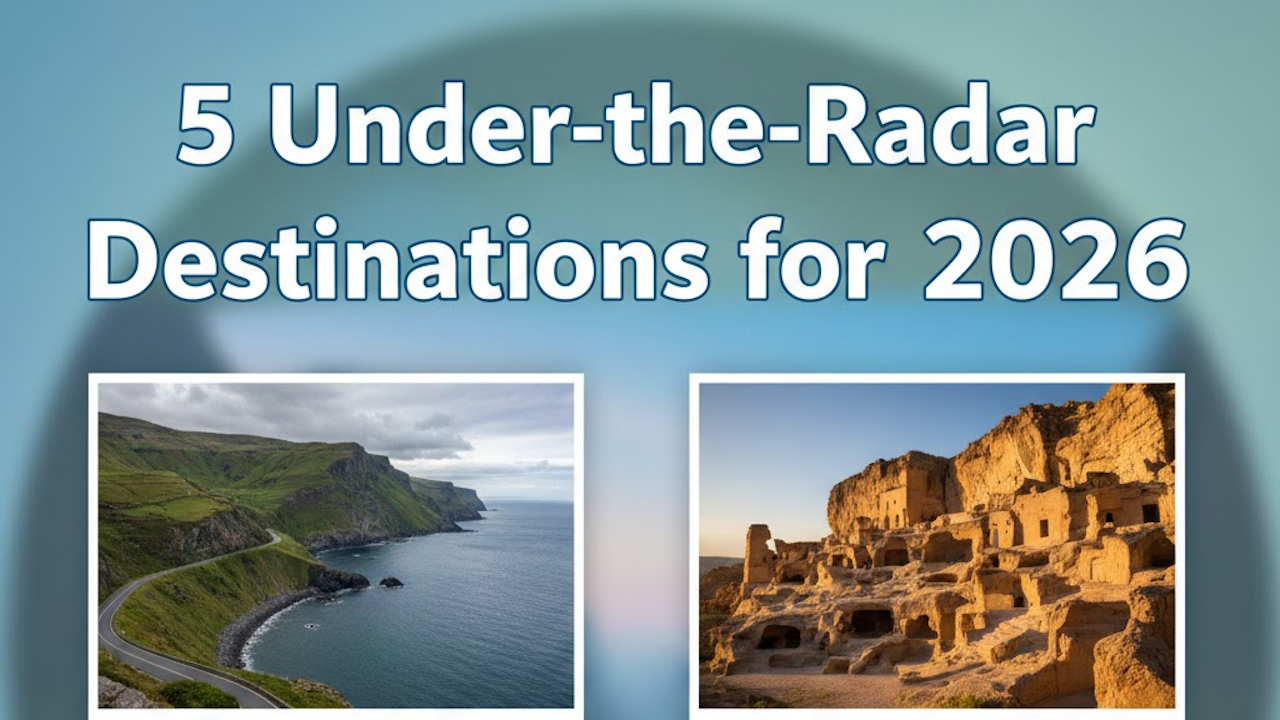
Travel in recent years has often meant navigating crowds, timed-entry tickets, and destinations strained by their own popularity. Paris, Bali, and Barcelona still draw millions, yet many travelers are deliberately looking elsewhere. They want places where the experience feels unscripted, where local communities still shape the visitor economy, and where natural or cultural treasures have not yet been diluted by mass tourism. In 2026, several destinations sit at that promising threshold: they have new recognition, improved access or infrastructure, and growing interest from operators focused on sustainability, yet they remain far from the mainstream radar.
Here are five such places. Each offers distinct landscapes and cultures, manageable logistics for determined travelers, and the rare chance to arrive while the sense of discovery is still intact.
Tiwai Island, Sierra Leone
Tiwai Island is a 12-square-kilometer wildlife sanctuary set in the Moa River in southeastern Sierra Leone. In 2025 it was inscribed as part of the Gola-Tiwai Complex UNESCO World Heritage Site, a recognition that has quietly elevated its profile without flooding it with visitors. The island protects one of the highest concentrations of primates in West Africa, including chimpanzees, Diana monkeys, and several species of colobus. Pygmy hippos inhabit the river channels, and more than 130 bird species move through the canopy.
Reaching Tiwai requires effort. Most visitors travel from Freetown or Bo by road to the village of Potoru or Kambama, then cross by dugout canoe or small boat. The journey itself sets the tone: dense rainforest, river birds, and the gradual sense of leaving ordinary infrastructure behind. Once on the island, accommodation is simple community-run eco-lodges or research-style camps with basic facilities, solar power, and shared meals. Days center on guided forest walks at different times of day and night, river trips, and the chance to observe researchers or local guides who know the trails intimately.
Sierra Leone has launched a multi-year tourism strategy aimed at positioning the country as a leader in community-based ecotourism. Visitor numbers remain capped, profits are shared with surrounding villages, and the emphasis is on low-impact stays. Food is straightforward and filling: rice with groundnut stew, fresh river fish when available, and local vegetables. The experience rewards patience. Wildlife is not guaranteed on demand, and the rhythm of the forest, rather than a checklist of sightings, becomes the main draw. For travelers seeking West African rainforest without the crowds of more established parks, Tiwai in 2026 offers a rare combination of biodiversity, cultural engagement, and genuine remoteness.
Tien Shan Mountains, Kyrgyzstan
The Tien Shan range, often called the Celestial Mountains, stretches across Kyrgyzstan, Kazakhstan, and China. In Kyrgyzstan the mountains dominate the landscape, covering more than 90 percent of the country. Long used by nomadic herders, the region is now opening carefully to adventure travelers through expanded trail networks such as the Kyrgyz Nomad Trail. These routes link alpine meadows, glacial lakes, and high passes while supporting local families who host guests in traditional yurts.
A typical journey begins in the lakeside town of Karakol or the capital Bishkek, then moves into the mountains by vehicle and on foot or horseback. Trails wind through wildflower meadows in summer, past herds of horses and sheep, and into valleys where yurt camps appear at the end of the day. Evenings often include lagman noodles, fresh bread, and tea shared with hosts. The experience is physical and elemental: mornings of riding or hiking, midday rest under the high sun, and continued movement as the light softens. Infrastructure remains modest. Guides and pack animals are essential for multi-day treks, and weather can change quickly at altitude.
Kyrgyzstan has invested in sustainable tourism programs that aim to preserve nomadic culture while creating income for remote communities. Visitor numbers are still low compared with the Alps or the Himalayas, so trails feel open and encounters with other travelers are limited. The appeal lies in the combination of dramatic scenery and living tradition. Riders and hikers move through landscapes that have changed little in generations, staying in homes or yurts rather than hotels, and learning about seasonal migration and animal husbandry firsthand. For those who prefer movement and space over monuments, the Tien Shan in 2026 delivers an authentic Central Asian mountain experience that still feels largely undiscovered.
Réunion Island
Réunion is a French overseas department in the Indian Ocean, roughly 800 kilometers east of Madagascar. It is often called the “intense island” for good reason. Within a compact area the landscape shifts from black-sand beaches and coral lagoons to deep volcanic cirques, cloud forests, and the active volcano Piton de la Fournaise. The three main cirques—Mafate, Cilaos, and Salazie—are amphitheaters of sheer walls and green ridges carved by ancient eruptions and erosion. Mafate remains roadless and accessible only on foot or by helicopter, making multi-day hikes between small villages a signature experience.
Despite being part of France and using the euro, Réunion receives far fewer international visitors than other Indian Ocean islands. French infrastructure means reliable roads, gîtes, and restaurants, yet the overall atmosphere stays quiet. Hikers follow well-marked trails through misty forests and across lava fields. The Route des Laves on the south coast crosses recent lava flows that reach the sea. Creole cuisine blends French technique with African, Indian, and Chinese influences: spicy curries, rice and lentils, fresh tropical fruit, and rum-based punches. Markets sell pineapples, mangoes, and local spices.
The best season for hiking is the drier austral winter from May to October, when temperatures are milder and trails are more reliable. Whales appear offshore in winter months. Access is straightforward via the airport near Saint-Denis, with car rental recommended for flexibility, though guided day trips and buses serve popular areas. Réunion rewards those willing to walk. The combination of volcanic drama, biodiversity, and Creole culture in a setting that still feels spacious makes it one of the strongest under-the-radar options for 2026, especially for travelers who want adventure without sacrificing basic comforts.
Lake Ohrid, North Macedonia
Lake Ohrid is one of Europe’s oldest and deepest lakes, estimated at more than a million years old and reaching nearly 300 meters in depth. The town of Ohrid on its northeastern shore is a UNESCO World Heritage site for both natural and cultural values. Cobblestone streets climb from the waterfront past Ottoman-era houses, Byzantine churches, and the ruins of a Roman amphitheater. The Church of St. John at Kaneo, perched on a cliff above the lake, is the most photographed landmark, yet it rarely feels crowded outside peak summer weekends.
The lake’s clarity is exceptional, with visibility often exceeding 20 meters. Swimming is possible from late spring through early autumn at beaches and coves along the shoreline. Boat trips reach the Monastery of St. Naum at the southern end, where springs feed the lake, and the Bay of Bones, a reconstruction of a prehistoric stilt settlement. The Old Town is compact and largely car-free, ideal for slow wandering. Food is excellent and inexpensive: grilled lake trout, tavče gravče (baked beans), fresh salads, and local wines served in lakeside restaurants or small cellars.
North Macedonia remains one of Europe’s most affordable destinations. Accommodation ranges from simple guesthouses to boutique hotels overlooking the water. The town is reachable by bus from Skopje in about three hours or via seasonal flights into Ohrid’s small airport. Shoulder seasons in May–June and September–October offer warm weather, fewer domestic visitors, and lower prices. While July and August bring more regional tourism, the overall scale stays manageable compared with Adriatic or Greek island hotspots. Lake Ohrid combines deep history, striking natural beauty, and genuine value, making it a standout European choice for travelers seeking quiet intensity in 2026.
Sierra Norte, Oaxaca, Mexico
High in the mountains north of Oaxaca City lies the Sierra Norte, home to the Pueblos Mancomunados, a cooperative of eight Zapotec villages. For more than two decades these communities have managed tourism collectively, sharing profits, limiting visitor numbers, and protecting extensive cloud forests and pine woods. The model is widely regarded as one of the strongest examples of Indigenous-led tourism in Mexico. Trails connect the villages through misty highlands, with elevations often above 2,500 meters. Hikers move between places such as Cuajimoloyas, Benito Juárez, Latuvi, and Amatlán, staying in simple community cabins and eating meals prepared by local families.
The landscape is dramatic: dense forests, panoramic ridgelines, and a climate that feels cool and fresh compared with the valley below. Activities include interpretive hiking, birdwatching, mountain biking, and learning about traditional medicine or agriculture. Guides are required for most multi-village routes, ensuring both safety and direct economic benefit to the communities. The experience is deliberately low-key. Service is warm but rustic, and the pace follows local rhythms rather than a fixed itinerary.
Access begins in Oaxaca City, from which shared vans or arranged transport climb into the mountains in one to two hours. Booking is best done through the community tourism office or established operators who work directly with the cooperative. The region has long been known to specialists but remains largely unknown to the broader international market. In 2026 it continues to attract travelers seeking meaningful cultural exchange and pristine highland environments without the crowds found in more famous Mexican destinations. The combination of living Zapotec culture, community control, and outstanding natural scenery makes the Sierra Norte a quietly powerful choice.
These five destinations share a common strength: they offer substance over spectacle. Tiwai Island and the Sierra Norte emphasize community stewardship and biodiversity. The Tien Shan and Réunion reward physical engagement with vast or dramatic landscapes. Lake Ohrid delivers layered history and natural beauty at an accessible price. Visiting any of them in 2026 means arriving while the balance between discovery and preservation still holds. Travelers who go with respect for local limits, a willingness to adapt to simpler conditions, and curiosity about the people who live there will find experiences that feel both timely and lasting.