

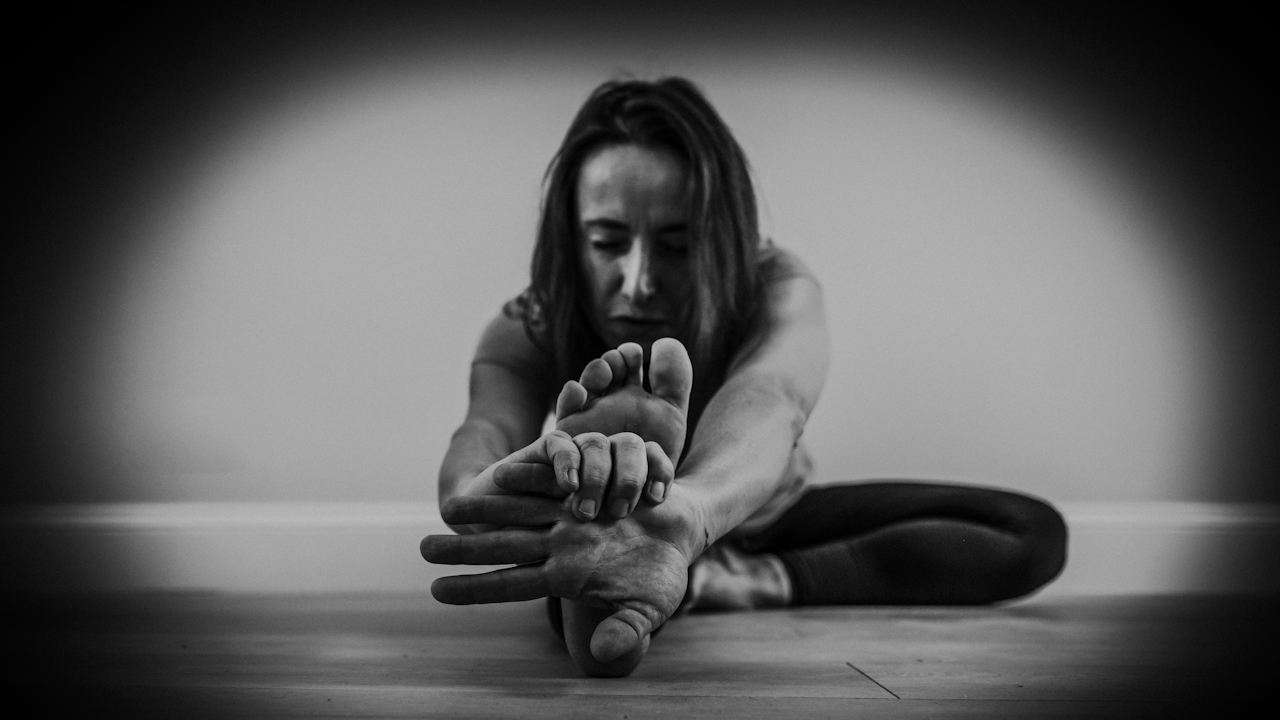
In our modern world filled with screens, desks, and constant device use, poor posture has become an everyday challenge for millions of people. Hours spent hunched forward over keyboards or scrolling on phones tighten certain muscles while weakening others. This imbalance pulls the shoulders forward, tilts the head down, and curves the spine unnaturally. Over time, the results include chronic neck and back pain, tension headaches, reduced breathing capacity, and even decreased confidence. The encouraging news is that small, consistent changes can reverse much of this damage. A dedicated five-minute stretch routine performed daily can realign the body, release tightness, and strengthen the muscles that support upright posture. This article explores why posture matters, how targeted stretches make a difference, and provides a complete step-by-step routine that fits easily into any schedule.
Understanding how posture deteriorates helps explain the value of stretching. When the body stays in a forward-rounded position for long periods, the chest muscles shorten and tighten. The upper back muscles lengthen and weaken. The neck muscles work overtime to hold the head up, leading to strain. Hip flexors also tighten from prolonged sitting, which tilts the pelvis forward and exaggerates the lower back curve. These changes create a cycle: tight muscles pull the body out of alignment, and the misaligned body makes good posture feel uncomfortable. Stretching interrupts this cycle by lengthening tight areas and activating underused muscles. Research from physical therapy and ergonomics fields consistently shows that regular stretching improves spinal alignment, reduces muscle imbalances, and lowers pain levels within weeks.
The benefits of committing to just five minutes a day extend far beyond appearance. Improved posture enhances breathing because the chest opens fully, allowing deeper oxygen intake. It reduces pressure on spinal discs and nerves, which can prevent or ease lower back discomfort. Better alignment also improves circulation and digestion by taking pressure off internal organs. Many people notice increased energy and focus after a short stretch session because the body feels lighter and less strained. Over months, consistent practice can even change the way the brain perceives neutral posture, making slouching feel unnatural. Unlike longer workouts that require gym equipment or special clothing, this routine needs only a quiet space and perhaps a chair or wall. It works for beginners and experienced movers alike, and it requires no prior flexibility.
The following five-minute routine consists of five gentle stretches. Each one targets a key area involved in posture. Perform them in sequence, holding each stretch for about 45 to 60 seconds while breathing deeply and steadily. The entire session totals roughly five minutes once you become familiar with the movements. Move slowly, never forcing any position past a mild stretch sensation. If you feel sharp pain, stop immediately and consult a healthcare professional. For best results, complete the routine once or twice daily, perhaps during morning coffee, after lunch, or before bed.
Begin with the neck and shoulder release. Stand or sit tall with your feet flat on the floor and shoulders relaxed. Gently tilt your right ear toward your right shoulder, keeping the opposite shoulder down. You should feel a stretch along the left side of your neck. Hold this position while breathing slowly. After the hold, return to center and repeat on the left side. This stretch lengthens the upper trapezius and scalene muscles that often tighten from forward head posture. Releasing them reduces the constant pull that keeps the head jutting forward and eases tension headaches.
Next comes the doorway chest opener, which counters the rounded shoulders caused by desk work. Stand in an open doorway with your feet shoulder-width apart. Place your forearms on the doorframe at about shoulder height, elbows bent at 90 degrees. Step forward gently with one foot until you feel a stretch across the front of your chest and shoulders. Keep your head and neck neutral, gazing straight ahead. This movement stretches the pectoralis major and minor muscles that shorten from hunching. Opening the chest allows the shoulders to roll back naturally into better alignment and improves overall upper-body posture.
Follow with the seated spinal twist to mobilize the mid-back. Sit on the edge of a chair with both feet flat on the floor. Place your right hand on the outside of your left thigh and your left hand on the back of the chair. Inhale to lengthen your spine, then exhale as you gently twist your torso to the left, looking over your left shoulder. Keep both hips facing forward and avoid forcing the twist. Hold, then return to center and repeat on the opposite side. This stretch activates the obliques and thoracic spine rotators, helping to counteract the stiffness that develops from prolonged sitting. A more mobile mid-back supports a straighter, taller posture without strain.
The fourth stretch is the wall angel, which strengthens awareness of proper shoulder positioning. Stand with your back against a wall and your feet about six inches away from it. Press your lower back, upper back, and head gently against the wall. Raise your arms to form a W shape with elbows bent and close to your sides. Slowly slide your arms upward into a Y shape while keeping contact with the wall, then lower them back to the W. Perform this motion slowly for the full hold time, focusing on controlled movement rather than speed. This exercise activates the rhomboids and lower trapezius muscles that support the shoulder blades. It trains the body to maintain retracted shoulders instead of letting them round forward.
Finish the routine with the standing forward fold variation for the entire posterior chain. Stand with feet hip-width apart and knees slightly bent. Hinge at the hips and let your upper body fold forward, allowing your head and arms to hang toward the floor. You can hold opposite elbows for support if desired. Keep the stretch gentle and breathe deeply into the hamstrings and lower back. After the hold, roll up slowly vertebra by vertebra to return to standing. This stretch lengthens the entire back line of the body, from the calves through the spine to the neck. It releases tightness accumulated from sitting and encourages the natural curves of the spine to return to balance.
To perform the routine most effectively, focus on quality over quantity. Breathe through the nose on the inhale and mouth on the exhale to promote relaxation. Maintain neutral spine alignment during each stretch rather than overarching or rounding excessively. If you sit most of the day, set a phone reminder every two hours to stand and do one or two stretches from the sequence. Track your progress by noticing how your shoulders feel after a week or by taking side-view photos of your posture monthly. Many people report that the routine becomes almost automatic after two weeks, like brushing teeth.
Beyond the dedicated five minutes, simple daily habits reinforce better posture. Adjust your workstation so the computer screen sits at eye level and your chair supports the natural curve of your lower back. Take walking breaks every hour to reset muscle memory. When standing in line or waiting for coffee, practice drawing your shoulder blades together gently. Strengthen supporting muscles with activities such as swimming, yoga, or Pilates a few times weekly. These complementary steps amplify the effects of the stretch routine and help maintain gains long-term.
Certain situations warrant extra caution or professional guidance. If you have recent injuries, spinal conditions, or chronic pain, check with a doctor or physical therapist before starting any new movement program. Pregnant individuals or those with balance concerns may modify the standing stretches by performing them seated. Listen to your body: mild discomfort is normal, but sharp pain, numbness, or dizziness signals the need to stop. Beginners might begin with shorter holds of 20 seconds and gradually increase to the full duration.
Consistency remains the most important factor for lasting improvement. Five minutes daily produces better results than 30 minutes once a week because it retrains muscles and neural pathways steadily. Within a month, many notice they naturally sit and stand taller without conscious effort. Energy levels rise as the body expends less effort fighting poor alignment. Over time, the routine can become a foundation for lifelong posture health.
Good posture is not about rigid military stance but about balanced, effortless alignment that supports daily activities. By dedicating five minutes to these targeted stretches, anyone can begin reversing years of slouching and reclaim comfort and confidence in their body. Start today with the first session and build the habit. Your neck, shoulders, back, and overall well-being will thank you for the investment. Small daily actions create meaningful change, and this simple routine proves that better posture is within reach for everyone.