

Youth voters, typically defined as those aged 18 to 35, represent a formidable and growing force in democracies worldwide. As populations in many regions skew younger, particularly in the Global South, this demographic holds the potential to redefine political landscapes. In an era marked by economic uncertainty, climate urgency, and digital connectivity, young people are no longer peripheral players but central actors influencing election outcomes, policy agendas, and even the stability of governments. Their participation, or lack thereof, has ripple effects that extend far beyond individual ballots. From the narrow margins in the 2024 United States presidential election to shifts in European parliaments and youth-driven mobilizations across Africa and Asia, the youth vote is actively reshaping global politics. This article explores the historical context, current trends, motivating factors, challenges, and future implications of youth electoral engagement on the world stage.
The demographic weight of youth voters cannot be overstated. In many countries, individuals under 35 constitute a majority or near-majority of the voting-age population. Globally, over 60 percent of Africa’s population is under 25, creating what analysts call a “youth bulge” that amplifies their electoral influence in nations like Senegal, Ghana, and South Africa. In India, the 2024 general elections featured approximately 210 million registered voters aged 18 to 29, comprising a significant share of the electorate in the world’s largest democracy. Even in aging societies like the United States and parts of Europe, Gen Z and Millennials are projected to make up roughly half of eligible voters by the mid-2020s. This sheer numerical advantage positions youth as kingmakers in close contests, where even modest increases in turnout can swing results.
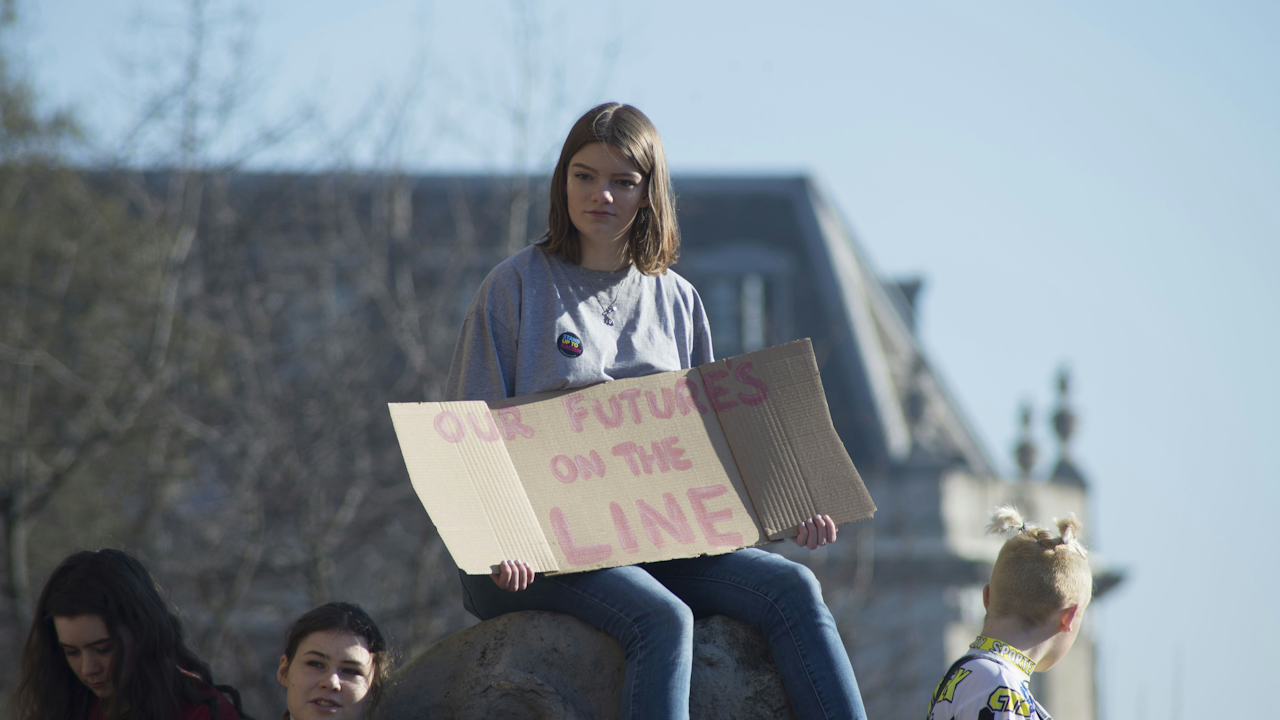
Historically, youth have played pivotal roles in political transformations, often through a blend of voting and activism. The 1960s and 1970s saw young Americans and Europeans driving civil rights movements and anti-war protests, contributing to shifts in policy and leadership. More recently, the Arab Spring uprisings of 2010-2011 highlighted how digitally connected youth could topple long-standing regimes, even if sustained democratic gains proved elusive. In the 2010s, climate strikes led by figures like Greta Thunberg mobilized millions of young people globally, pressuring governments to address environmental issues. These movements transitioned into electoral arenas, with youth turnout surging in select cycles. For instance, record youth participation in the 2020 US presidential election helped secure a Democratic victory amid the COVID-19 pandemic and racial justice protests. Yet turnout has fluctuated, underscoring that youth engagement is not automatic but responsive to specific contexts and catalysts.
Examining recent elections reveals the tangible impact of youth voters. The 2024 US presidential contest offers a compelling case study. An estimated 47 percent of eligible youth aged 18-29 cast ballots, a slight decline from the historic 50 percent in 2020 but still higher than the 39 percent recorded in 2016. Young voters favored Vice President Kamala Harris over Donald Trump by a narrow 4- to 6-point margin nationally, a sharp contraction from the 25-point advantage Joe Biden enjoyed among this group in 2020. Gender dynamics proved stark: young women supported Harris by a 17-point edge, while young men backed Trump by 14 points. Economic concerns, including inflation, jobs, and housing affordability, weighed heavily, particularly among young men, contributing to a rightward shift in some swing states. Post-election analyses indicate that while youth remained the strongest Democratic-leaning age cohort, their reduced enthusiasm and turnout margins helped shape the outcome in a closely contested race.
The story extended beyond the United States. In Europe’s 2024 parliamentary elections, youth turnout dipped modestly to around 36 percent for those aged 15-24, down 6 points from 2019. Despite this, young voters influenced gains for populist and far-right parties in countries like France, Germany, and the United Kingdom. In France, the National Rally saw its youth support surge dramatically, reflecting disillusionment with traditional institutions. Similar patterns emerged in Germany, where the Alternative for Germany party increased its appeal among under-35s. These shifts signaled broader discontent with economic stagnation and immigration policies, even as progressive youth mobilized on climate and social justice fronts.
India’s 2024 Lok Sabha elections further illustrated youth power amid challenges. With initiatives like the Election Commission’s “Turning 18” campaign boosting registration, young voters played a role in forcing Prime Minister Narendra Modi’s Bharatiya Janata Party into a coalition government for the first time in a decade. Turnout varied regionally, with some areas seeing increases of over 8 percent among youth, driven by concerns over unemployment and inequality. However, registration rates among the youngest cohort (18-19) remained below 40 percent in some estimates, highlighting persistent barriers.
In Africa, where 2024 marked a “super year” of elections, youth influence manifested in incumbent setbacks. In Senegal and Ghana, young voters helped usher in opposition victories, punishing governments over economic woes and governance failures. South Africa’s elections saw overall turnout drop to 58.6 percent, with youth disillusionment cited as a key factor amid high unemployment exceeding 40 percent in some nations. Yet the continent’s youth bulge continues to pressure leaders, as seen in pre-2025 election mobilizations in Gabon and Cameroon, where voter registration drives targeted young citizens.
What drives youth political engagement? Surveys consistently point to a mix of immediate economic pressures and long-term existential threats. Inflation, student debt, housing costs, and job insecurity top lists for young Americans and Europeans alike. In the Global South, unemployment and inequality amplify these concerns, often fueling protests that spill into voting booths. Climate change stands out as a defining issue: Gen Z and Millennials are far more likely than older generations to discuss it, volunteer for related causes, and prioritize it at the ballot box. Social justice themes, including racial equity, LGBTQ+ rights, and abortion access, also resonate strongly, particularly among young women and voters of color.
Social media has emerged as both a mobilizer and a double-edged sword. Platforms like TikTok, Instagram, and X serve as primary news sources for youth, enabling rapid information sharing and peer-driven turnout efforts. In the 2024 US cycle, peer influence proved decisive: young people were more than twice as likely to vote if they believed their friends would participate. Globally, digital activism has amplified movements from climate strikes to anti-corruption campaigns. However, reliance on social media correlates with lower turnout in some studies, as unverified information and echo chambers foster cynicism. Media literacy emerges as a critical skill; youth who verify sources are more likely to vote.
Despite their potential, youth face significant hurdles. Historical turnout rates lag behind older cohorts, with barriers including complex registration processes, lack of transportation, and informational gaps. In the US, over 20 million Gen Z members did not vote in 2024, often citing disconnection from candidates or logistical issues. Globally, distrust in institutions runs high, with many young people viewing politics as dominated by older elites unresponsive to their realities. In India and parts of Africa, low registration among first-time voters persists due to inadequate civic education. Economic precarity further compounds apathy: when daily survival demands attention, electoral participation feels secondary.
Politicians have responded by courting youth through targeted campaigns. Digital outreach, policy pledges on climate and education, and youth-friendly events have become staples. In the US, both major parties invested heavily in 2024 social media strategies. In Europe and Latin America, populist leaders have capitalized on youth frustrations with establishment failures. Post-2024, US state elections in 2025 demonstrated a rebound, with youth turnout rising in places like Virginia and New Jersey, delivering strong Democratic margins and signaling that shifts can be temporary.
Case studies underscore these dynamics. Consider the United Kingdom’s 2024 general election, where youth turnout hovered just above 40 percent amid national lows. Economic anxiety and skepticism toward major parties fueled interest in alternatives, yet overall participation declined. In contrast, Botswana’s 2024 polls saw robust youth registration exceeding one million, contributing to stable democratic processes despite a slight turnout dip. These examples reveal how context, from electoral systems to outreach efforts, modulates youth impact.
Looking ahead, youth voters are poised to exert even greater influence. Projections for 2026 US midterms estimate up to 50 million Gen Z eligible voters, with early polls showing Democratic leans but widespread dissatisfaction with both parties. In Africa and Asia, ongoing youth bulges will test governments amid 2025 election cycles. Success will hinge on addressing core issues: closing registration gaps, combating misinformation, and delivering policies that resonate with young priorities. Initiatives like automatic voter registration in some US states have already boosted youth participation, offering models for replication.
Ultimately, youth voters are not just shaping politics; they are inheriting it. Their choices today will determine responses to climate disruption, technological upheaval, and global inequalities tomorrow. While turnout fluctuations and ideological shifts introduce uncertainty, one truth endures: when young people engage, democracies become more responsive and representative. Sustained investment in civic education, accessible voting systems, and genuine policy dialogue will determine whether this generation fulfills its transformative potential. As global challenges intensify, empowering youth at the ballot box is not optional but essential for a stable and equitable future.