

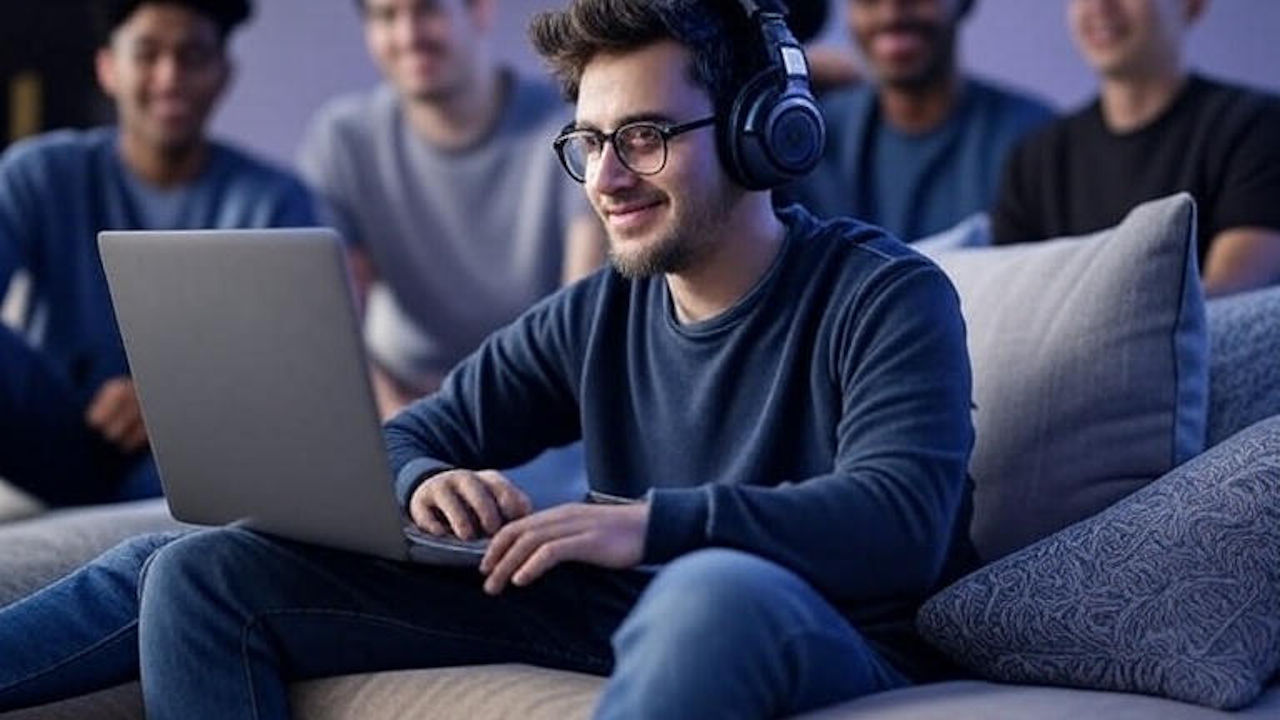
Twitch began as a platform built around video games. Launched in 2014 as a spin-off from the earlier Justin.tv service, it quickly became the go-to destination for live streams of gameplay, esports tournaments, and competitive matches. For years, its identity was tied almost exclusively to titles like League of Legends, Fortnite, and Grand Theft Auto. Yet over the past decade, the platform has undergone a profound transformation. Today, non-gaming content accounts for a substantial share of viewership, with categories such as Just Chatting regularly topping the charts in hours watched. In recent data from 2025 and early 2026, non-gaming streams have captured between 32 and 53 percent of total watch time on the platform, depending on the quarter and measurement source. Just Chatting alone has generated well over a billion hours watched in peak periods, often outpacing even the most popular games. This shift signals more than a simple expansion of offerings. It reflects deeper changes in audience behavior, creator strategies, and Twitch’s own business ambitions. The platform has evolved into a broader live entertainment hub where gaming remains important but no longer defines the entire experience.
The roots of this change trace back to the platform’s earliest days, even before the official rebrand. Justin.tv, founded in 2007, allowed users to broadcast almost any kind of live content, from personal vlogs to real-world events. When Twitch separated to focus on gaming, it inherited some of that flexibility. Early streamers occasionally dipped into off-topic conversations during loading screens or breaks between matches. Viewers responded positively, craving not just skill demonstrations but also the personalities behind the controllers. By 2016, Twitch responded formally by introducing the IRL category, short for In Real Life. This move was driven by creator feedback. Streamers wanted ways to share everyday moments, thoughts, and opinions without forcing those segments into gaming streams. The category allowed broadcasts of mundane activities like cooking meals, walking through cities, or simply chatting with chat. It marked the first deliberate step toward decoupling content from pixels and keyboards. Community guidelines were updated to support these new formats, and mobile broadcasting tools followed soon after, making it easier for creators to go live from anywhere.
The real acceleration came in the early 2020s. The COVID-19 pandemic played a significant role. With lockdowns limiting in-person interactions, people turned to live streams for companionship. Gaming provided escapism, but many viewers sought something more intimate. They wanted to watch creators eat dinner, discuss current events, or react to viral videos in real time. Just Chatting emerged as the catch-all bucket for these streams and quickly exploded in popularity. By the mid-2020s, it had become the single most-watched category on the platform. Reports from tracking services such as Streams Charts and TwitchTracker show Just Chatting consistently drawing hundreds of thousands of concurrent viewers, sometimes surpassing combined audiences for top games. In one recent snapshot, it accounted for roughly 13 to 15 percent of all monthly hours watched. This dominance is not an anomaly. It stems from a fundamental appeal: live interaction. Unlike pre-recorded videos on YouTube or short clips on TikTok, Twitch streams foster genuine conversation. Chat moves at lightning speed, and creators read messages aloud, answer questions, and build ongoing relationships. For many viewers, this feels like hanging out with friends rather than consuming passive entertainment.
Beyond Just Chatting, Twitch has cultivated an array of specialized non-gaming categories that attract dedicated communities. Music streams, for instance, feature artists performing live, taking song requests, or even collaborating with viewers in real time. Creators like The8BitDrummer built massive followings by drumming along to requested tracks, turning what began as a side hobby into a primary content pillar. Art and creative streams allow digital painters, sculptors, and crafters to share their processes openly. Viewers watch canvases come to life stroke by stroke, offer suggestions, and sometimes commission custom pieces. Cooking and food streams have surged as well, with chefs and home cooks preparing recipes while fielding questions about ingredients or techniques. Fitness content grew by more than 40 percent year-over-year in recent periods, as streamers lead workouts, discuss wellness routines, or motivate audiences through bodyweight challenges. Travel and outdoors streams exploded by around 60 percent, thanks to mobile setups that let creators broadcast hikes, city explorations, or international adventures. Even niche interests like chess have seen explosive growth exceeding 75 percent annually, fueled by educational content and casual play sessions.
These categories succeed because they tap into universal human desires. Gaming appeals to competition and skill, but non-gaming streams fulfill needs for connection, learning, and inspiration. A viewer might tune in to a fitness stream not just to exercise but to feel part of a supportive community pushing toward shared goals. An art enthusiast finds value in watching a professional at work while absorbing tips that improve their own practice. Musicians discover new audiences who might never attend a traditional concert but become loyal supporters through repeated live sessions. This breadth has attracted an increasingly diverse audience. While the platform once skewed heavily toward young male gamers, it now draws viewers across ages, genders, and interests. Demographics have broadened, with growing participation from women in lifestyle categories and older users in talk-oriented streams. Brands have noticed. Non-endemic advertisers from sectors like food, automotive, and finance have partnered with streamers for campaigns that reach engaged, attentive audiences. Examples include collaborations with companies promoting lifestyle products during cooking or travel broadcasts. These partnerships generate revenue streams that extend far beyond traditional gaming sponsorships.
Creators have driven much of the diversification. Many successful streamers began in gaming but realized variety content helped retain viewers during slow periods or between game releases. Streaming the same title for hours can lead to burnout for both creator and audience. Mixing in Just Chatting segments or entirely separate streams keeps things fresh. It also opens monetization opportunities. Subscriptions, bits, and ads perform well across all categories, but non-gaming streams often foster deeper emotional bonds that translate into higher tip rates and long-term loyalty. Data from 2025 shows that thousands of channels now thrive primarily on non-gaming formats, with some reporting stronger earnings from talk shows or creative sessions than from competitive play. For small streamers, lower-competition categories like art or music can provide easier entry points to build an audience before expanding into variety. Tags and discoverability tools help match viewers with interests, reducing reliance on algorithmic luck.
From Twitch’s corporate perspective, the expansion makes strategic sense. Owned by Amazon since 2014, the platform faces pressure to grow beyond its gaming core amid competition from YouTube, Kick, and TikTok Live. Total hours watched on Twitch hovered around 19 to 20 billion in recent years, with some quarterly fluctuations and slight declines in 2025. Yet non-gaming content has helped stabilize and even boost engagement in key demographics. It positions Twitch as a general-purpose live entertainment destination rather than a niche gaming service. Events like TwitchCon highlight this evolution, drawing attendees who attend panels on podcasting, wellness, and creative industries alongside traditional esports discussions. The platform has invested in features that support all content types, including better mobile tools, improved audio for music streams, and moderation systems tailored to conversational broadcasts. Revenue reached an estimated 1.8 billion dollars in 2024, with projections holding steady or slightly recovering in subsequent years through diversified ad sales and commerce integrations. By appealing to a wider pool of creators and viewers, Twitch reduces risk if gaming trends shift or new competitors emerge.
Of course, the transition has not been seamless. Challenges remain. Discoverability can still favor established gaming titles, leaving newer non-gaming creators struggling to gain visibility. Moderation issues arise more frequently in talk-heavy streams, where unfiltered conversations risk toxicity or misinformation. Some longtime gaming fans express frustration that the homepage now features Just Chatting thumbnails as prominently as game categories. Competition from short-form platforms has fragmented attention spans, pushing Twitch to emphasize its long-form strengths. Despite these hurdles, the data points to sustained momentum. In the first quarter of 2025, overall livestreaming viewership grew globally, with non-gaming segments contributing significantly on multiple services. Twitch continues to lead in total live hours, maintaining dominance even as its share of pure gaming content adjusts downward.
Looking ahead, Twitch’s future appears increasingly multifaceted. It has become a space where a professional athlete might host a fitness Q&A one day and a musician could perform an acoustic set the next. Viewers form parasocial yet meaningful relationships that span months or years. Creators experiment with hybrid formats, blending gaming with lifestyle elements in ways that feel organic rather than forced. This evolution aligns with broader media trends toward authenticity and interactivity. In an era where polished television feels distant, live streams offer unscripted access to real people pursuing real passions. Gaming will always hold a central place. Esports calendars, major releases, and competitive communities ensure that core audience stays engaged. Yet the platform’s willingness to embrace everything from casual chats to specialized hobbies has transformed it into something larger. Twitch is no longer defined solely by controllers and leaderboards. It has become a digital town square for entertainment, education, and connection.
The numbers tell only part of the story. What matters most is the lived experience on both sides of the stream. A viewer in a distant time zone might join a late-night Just Chatting session and leave feeling less alone. An aspiring artist could watch a creative stream, pick up techniques, and eventually launch their own channel. A musician might discover that live performance on Twitch builds a fanbase more devoted than any album release. These moments illustrate why the platform’s diversification resonates so deeply. Twitch recognized early that its technology and community tools could support far more than games. By leaning into that potential, it has created a vibrant ecosystem that continues to surprise and expand. The result is a platform that feels alive in every sense, constantly evolving through the contributions of millions of creators and viewers. Gaming sparked the fire, but the full spectrum of human interests has kept it burning brighter than ever.