

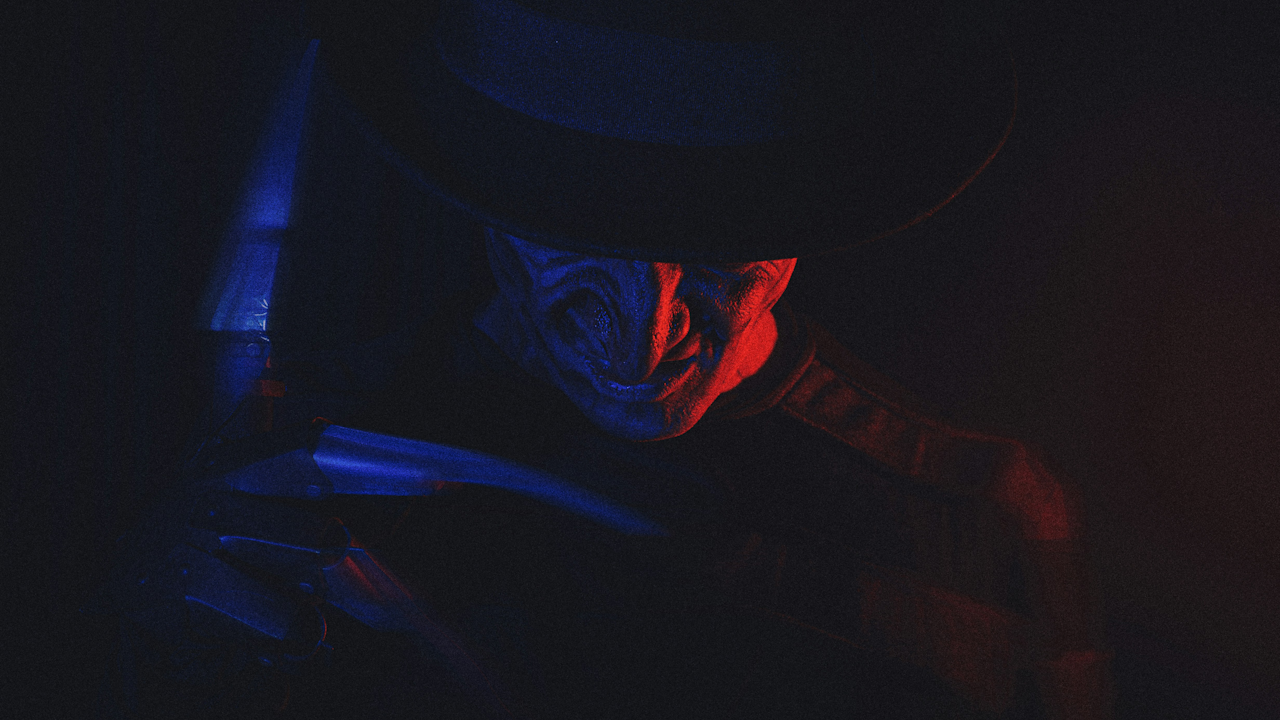
In the realm of cinema, villains have always held a peculiar power. They scheme in the shadows, deliver monologues that cut to the bone, and push heroes to their limits. Yet what elevates certain antagonists from mere obstacles to unforgettable figures is a rare quality: they are often right. Not in every detail or every action, but in the core of their worldview. They identify real problems in society, in human nature, or in the systems that govern us. The heroes win the day by stopping the villain’s extreme solution, but rarely do they dismantle the underlying truth the villain laid bare. This dynamic creates stories that linger because they mirror the complexities of real life, where moral lines blur and easy victories feel hollow.
The best movie villains do not cackle for the sake of evil. They operate from a place of conviction, often born from personal pain or keen observation. Their arguments expose hypocrisies that audiences recognize from the world outside the theater. Inequality, environmental collapse, unchecked power, systemic prejudice. These are not invented threats. They are the very issues that dominate headlines and dinner table debates. By giving villains these insights, filmmakers force viewers to grapple with a disquieting question: what if the bad guy had a point? The hero’s triumph then becomes less about absolute good prevailing and more about the preservation of an imperfect order. This tension is why such villains endure. They do not merely threaten the protagonist. They challenge the audience’s assumptions about justice, progress, and what change truly requires.
This pattern appears across genres and eras. Early cinema favored cartoonish foes whose evil was skin deep. Modern storytelling, however, demands depth. Villains now arrive with philosophies that feel lived in. Their rightness stems from three key elements. First, they diagnose problems the hero ignores or accepts as inevitable. Second, they propose solutions that are radical yet logically consistent with their diagnosis. Third, their extremism, while indefensible, highlights the inertia of the status quo that heroes defend. The result is narrative friction that elevates the entire film. Heroes who face such opponents must evolve or risk seeming naive. Audiences leave theaters debating not just who won but whether the victory was truly just.
Consider the broader appeal. Villains often receive the sharpest dialogue and the most coherent motivations. Heroes fight to protect what exists. Villains fight to reshape it. That proactive energy makes them magnetic. In an age of widespread skepticism toward institutions, these characters resonate because their critiques feel timely. They speak to fears of overpopulation, technological dehumanization, colonial legacies, and the fragility of civilization. By embedding these ideas in compelling performances, cinema turns philosophical debate into visceral entertainment. The villain does not win, but the idea survives. It plants seeds of doubt that bloom long after the final reel.
One of the clearest examples is Thanos in the Marvel Cinematic Universe’s Infinity War saga. His goal is to balance the universe by eliminating half of all life. At first glance, this seems like pure madness driven by a cosmic god complex. Yet his reasoning rests on a Malthusian observation about finite resources. Planets teeter on the brink of collapse because populations outstrip what they can sustain. Thanos has witnessed this pattern across worlds. He does not seek power for its own sake. He believes a painful cull is the only path to long term prosperity for the survivors. The films never fully refute this underlying scarcity problem. Heroes rally to stop the snap, emphasizing the sanctity of individual lives and the possibility of better solutions through innovation. But they never address the resource crunch head on. Thanos’s point lingers as an echo of real debates about climate change, overconsumption, and sustainability. His methods are monstrous, yet the diagnosis feels uncomfortably prescient in a world wrestling with environmental limits.
Erik Killmonger offers another potent case in Black Panther. As the antagonist seeking to seize control of Wakanda, he rails against the nation’s policy of isolation. Wakanda hoards advanced technology and vibranium while people of African descent worldwide suffer under poverty and oppression rooted in historical colonialism. Killmonger’s demand is straightforward: share the wealth and weapons to empower the oppressed and level the global playing field. This is not baseless rage. It is a direct response to generations of exploitation and abandonment. Wakanda’s leaders have chosen secrecy and neutrality to preserve their way of life, but Killmonger correctly identifies this as complicity in broader injustice. The film ultimately rejects his violent revolution in favor of gradual outreach and diplomacy. Yet the closing scenes acknowledge that Wakanda begins to engage the world precisely because Killmonger forced the issue. His critique of selective isolationism stands as a mirror to real conversations about privilege, reparations, and global responsibility. The hero prevails, but the villain’s truth reshapes the kingdom.
The Joker in The Dark Knight takes a different angle, targeting the illusions that hold society together. He orchestrates chaos not for personal gain but to prove a thesis: civilized behavior is a thin veneer. Push people far enough, and they reveal their true nature. Through elaborate social experiments, he shows how quickly rules break down when fear and self interest take over. Gotham’s citizens, officials, and even its white knight Harvey Dent crumble under pressure. The Joker does not invent these weaknesses. He merely reveals them. Batman and his allies fight to restore order, insisting that people are fundamentally good and that institutions can endure. The film never disproves the Joker’s observation. Instead, it demonstrates the cost of maintaining the lie of stability. His rightness lies in exposing hypocrisy and fragility, themes that echo in contemporary discussions of social unrest and institutional distrust. The hero’s victory feels pyrrhic because the Joker’s words continue to haunt every subsequent threat Gotham faces.
Magneto in the X Men series embodies a philosophy forged in historical trauma. Having survived the Holocaust, he sees parallels in humanity’s growing fear of mutants. His solution is preemptive dominance or separation to protect his kind from inevitable persecution. This stance is not paranoia. It is a logical extrapolation from documented human behavior toward perceived outsiders. Time and again, governments and mobs turn on mutants, confirming his warnings. The films present Charles Xavier’s dream of coexistence as the moral ideal, yet Magneto’s skepticism proves repeatedly justified. Heroes appeal to hope and integration, but Magneto’s point about the fragility of tolerance in the face of difference remains unassailable. It draws directly from real world patterns of prejudice and genocide. The villain loses battle after battle, but his worldview forces the franchise to confront uncomfortable questions about whether peaceful assimilation is always possible.
Roy Batty in Blade Runner presents a more existential case. As a replicant engineered for labor and slated for a short lifespan, he demands the right to extended life and freedom from human control. His rage stems from being treated as disposable property despite possessing emotions, memories, and self awareness. The humans who created him view replicants as threats to be retired. Batty’s final monologue underscores the beauty and brevity of his experiences, humanizing what the system deems artificial. The film does not dismiss his claim. It forces viewers to question the ethics of creating sentient beings only to enslave and discard them. The hero Deckard grapples with these implications, but the broader society continues its exploitative practices. Batty’s rightness lies in asserting that consciousness deserves dignity regardless of origin. This critique feels even more relevant today amid advances in artificial intelligence and debates over machine rights.
Syndrome from The Incredibles delivers a scathing commentary on heroism and equality. Frustrated by a world that reserves glory for those born with powers, he devises technology to make everyone super. His stated goal is to democratize power so that no one feels ordinary. Beneath the megalomania is a valid critique of elitism. Society worships innate talent while ignoring the hard work of the average person. When everyone gains access to super abilities, the special status of heroes evaporates. The film frames this as dangerous hubris, and the heroes ultimately reaffirm the value of natural gifts tempered by responsibility. Yet Syndrome’s observation about the exclusivity of heroism rings true. It pokes at cultural obsessions with celebrity and genetic lottery winners. The story ends with a restored hierarchy, but the villain’s point about mediocrity and manufactured equality lingers as a sharp observation on modern identity politics and entitlement.
These examples illustrate a consistent pattern. The villain spots a genuine flaw. The hero defends the existing framework, often through personal sacrifice or appeals to individual morality. The audience is left to wonder whether incremental reform is sufficient or whether the villain’s radicalism, though flawed in execution, was the only way to force change. This dynamic enriches storytelling because it rejects simplistic binaries. It acknowledges that real progress often requires confronting painful truths rather than ignoring them.
Beyond individual characters, this trend reflects deeper cultural shifts. In eras of rapid change, audiences crave narratives that validate their frustrations. Villains who articulate systemic failures provide catharsis. They say aloud what polite society hesitates to admit. At the same time, the films maintain moral guardrails by ensuring the villain’s methods cross into atrocity. This allows viewers to agree with the diagnosis without endorsing the prescription. The hero becomes a stand in for restraint and hope. Together, they create a dialectic that feels intellectually honest.
Critics sometimes argue that such villains risk glorifying dangerous ideas. There is merit to that concern. Extremism dressed in eloquence can inspire misplaced sympathy. Yet cinema has always explored the dark side of human thought. By presenting these philosophies and then rejecting their violent conclusions, films perform a public service. They invite debate rather than indoctrination. They remind us that ideas have power and that dismissing them outright is a form of intellectual cowardice.
In the end, the best movie villains endure because they are right enough to matter. They do not win, but their perspectives reshape the hero and the world around them. They force stories to move beyond good triumphing over evil into something more profound: an examination of why evil arises in the first place. Heroes may save the day, but villains save the narrative from banality. They compel us to look harder at our own societies, our own compromises, and our own capacity for both virtue and vice. In that uncomfortable mirror, cinema finds its greatest strength. The villain’s truth, however partial or twisted, becomes the spark that illuminates the entire tale.