

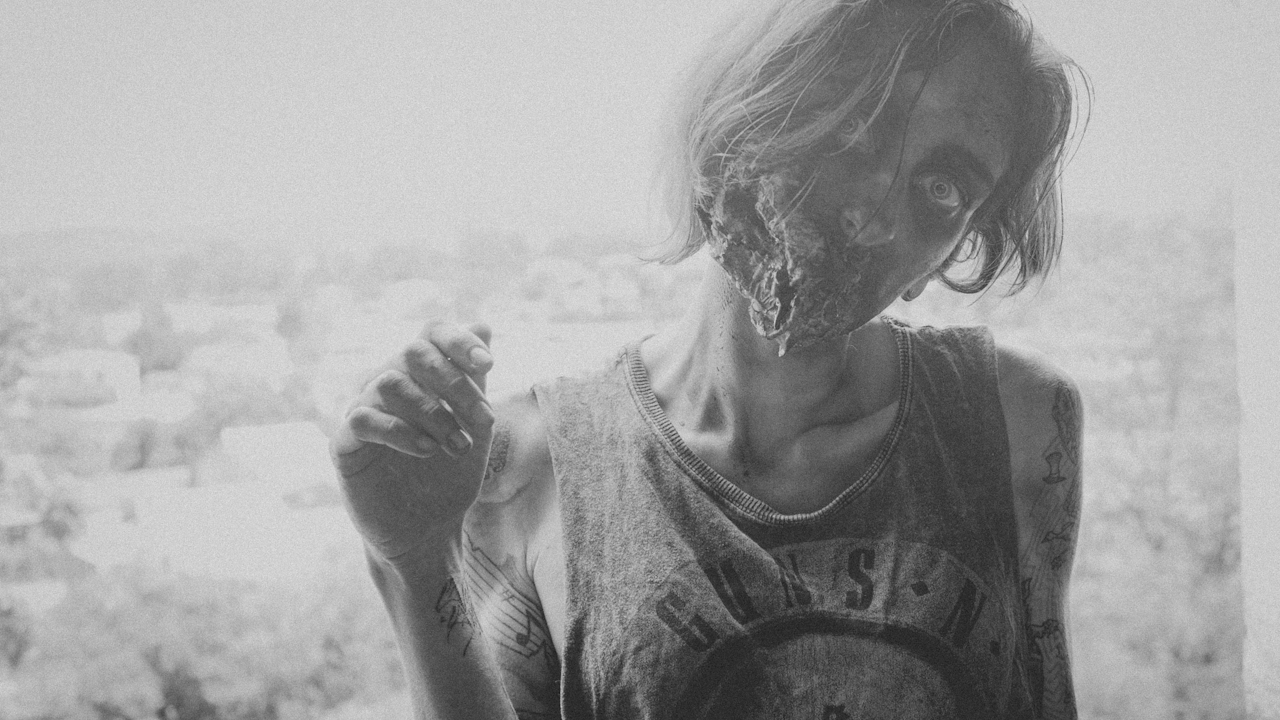
In 2026, horror stands alone as the film, television, literature, and gaming genre that consistently delivers the freshest ideas, the boldest risks, and the most resonant explorations of the human condition. While other categories recycle familiar formulas or lean on nostalgia for box office safety, horror thrives on invention. It mirrors our deepest anxieties, experiments with form and technology, and welcomes new voices in ways that feel urgent and alive. This is not hype. It is the result of a sustained renaissance that began gathering momentum years ago and exploded in 2025 with record breaking commercial and critical success before carrying straight into the current year.
Consider the numbers first. In October 2025 alone, horror crossed one billion dollars at the global box office, claiming seventeen percent of the total market share and ranking as the third highest grossing genre for the year. Films such as Ryan Coogler’s Sinners, Zach Cregger’s Weapons, and the latest Conjuring installment shattered expectations, proving that original high concept stories could compete with tentpole franchises. Critics and audiences alike hailed 2025 as a new golden age, and early 2026 releases such as Sam Raimi’s Send Help and the sequel 28 Years Later: The Bone Temple have already reinforced the momentum. Horror is not merely surviving. It is leading.
What sets horror apart is its unmatched ability to process the present moment. Every era produces monsters that embody its fears, but right now the genre does so with surgical precision and startling variety. Climate collapse, artificial intelligence, political division, grief in the aftermath of pandemics, and the erosion of privacy through surveillance technology have all found expression in recent works. Horror does not lecture. It dramatizes. It turns abstract dread into something visceral that audiences can feel in their bodies. When real world news cycles overwhelm, horror offers a controlled space to confront the chaos. As one observer noted, the genre has become the place where “real world fears integrate themselves into our daily fabric” and audiences find both escape and catharsis.
Take the wave of AI themed horror that has proliferated. Stories explore not just rogue machines but the deeper terror of losing agency to algorithms that know us better than we know ourselves. Companion, a 2025 release, twisted the “good for her” revenge narrative into a razor sharp critique of codependency and digital control. In 2026, similar explorations continue in titles that blend tech paranoia with body horror. These films do not recycle 1980s cyberpunk tropes. They reflect the lived experience of people whose jobs, relationships, and even memories are increasingly mediated by opaque systems. Horror writers and directors understand that the scariest thing is not the robot uprising. It is the slow realization that we invited the monster in and gave it our passwords.
Grief horror has likewise evolved into one of the decade’s most fertile subgenres. Films such as We Bury the Dead use zombie conventions not for cheap thrills but as a framework for meditations on loss and mourning. The rage virus of 28 Years Later and its sequels now carries layered commentary on societal breakdown and the persistence of trauma. Horror allows creators to externalize internal pain without reducing it to melodrama. The monster becomes a metaphor that audiences can chase, confront, and ultimately survive, at least for the length of a movie.
Yet creativity in horror extends far beyond thematic relevance. The genre has become a laboratory for formal experimentation. Directors mix tones, structures, and visual languages with a freedom rarely seen elsewhere. Weapons, for example, leaned into style over substance in the best possible way, delivering a lean, relentless nightmare that felt like a fever dream rather than a calculated product. Sam Raimi’s return to the director’s chair in Send Help showcases his signature blend of slapstick, gore, and psychological unease, proving that veteran filmmakers can still surprise when the genre gives them room to play. Even legacy sequels have injected originality. The 28 Years Later franchise reimagines the zombie outbreak with fresh narrative hairpins, cult dynamics, and haunting needle drops that elevate it beyond mere continuation.
Indie horror continues to push boundaries precisely because its budgets encourage invention over spectacle. Practical effects, limited locations, and tight scripts force filmmakers to rely on imagination rather than computer generated excess. The result is a steady stream of memorable, self contained stories that linger longer than many big budget efforts. Micro budget gems on platforms like Shudder have carved out space for theatrical style experiments that feel intimate and confrontational. Horror rewards discipline. A single bold idea executed with commitment often outshines sprawling franchises weighed down by corporate oversight.
Genre blending has reached new heights. Horror now comfortably absorbs elements of comedy, romance, science fiction, and even musicals without losing its edge. Body horror intersects with relationship drama in films that examine codependency through literal transformation. Folk horror merges with political allegory. Slashers flirt with satire. This hybridization is not dilution. It is expansion. Creators recognize that fear is most potent when it sneaks up wearing familiar clothes before revealing something alien underneath.
Diversity fuels much of this creativity. A wider range of storytellers has brought fresh cultural perspectives, regional mythologies, and personal histories into the mainstream. Horror has always been a welcoming space for outsiders, but the last several years have amplified voices that were previously marginalized. Black, queer, immigrant, and women directors have produced some of the decade’s most acclaimed works by drawing on lived experiences of otherness. The result is richer mythology, more nuanced antagonists, and scares that resonate across demographics. Horror no longer defaults to a narrow set of archetypes. It reflects the actual complexity of contemporary life.
The genre’s creativity is not confined to theaters. Streaming services have become incubators for risk taking. Shudder in particular has championed original series and films that would struggle to find financing elsewhere. Meanwhile, social media has birthed entirely new forms. Analog horror, that lo fi aesthetic of glitchy VHS tapes, public access broadcasts, and bureaucratic dread, exploded on TikTok and YouTube with billions of views. It continues to evolve in 2026, spawning short form experiments that feel like digital folklore. These bite sized nightmares prove that horror does not need massive budgets or theatrical runs to innovate. A well crafted found footage clip can haunt viewers more effectively than some multimillion dollar productions. The format’s limitations become strengths: grainy images and distorted audio force the imagination to fill in the gaps, making the terror personal and participatory.
Literature has kept pace. Horror publishing in 2025 and 2026 has seen a surge in ambitious novels that blur lines with literary fiction. Authors explore insect horror, fungalpunk, and surreal domestic dread with linguistic precision and emotional depth. Titles scheduled for 2026 promise everything from twisted romantic comedies to meditations on identity through supernatural invasion. The genre’s literary wing treats fear as a vehicle for character study and philosophical inquiry rather than a series of set pieces. Readers encounter protagonists who are complicated, morally gray, and deeply human even when surrounded by monsters.
Video games have also embraced horror’s creative surge. Upcoming 2026 releases blend psychological terror with innovative mechanics drawn from survival, puzzle, and narrative driven traditions. Developers experiment with sound design, environmental storytelling, and player agency in ways that make the medium feel uniquely suited to dread. When a game forces you to listen for footsteps that may or may not be real, or to make choices whose consequences unfold across branching realities, horror achieves an interactivity that film can only approximate.
Compare this landscape to other genres and the contrast is stark. Superhero films, once engines of invention, have settled into formulaic multiverse fatigue. Many action blockbusters prioritize spectacle over story. Romantic comedies often recycle meet cute templates with diminishing returns. Even prestige drama sometimes feels constrained by awards season expectations. Horror escapes these traps because fear is evergreen and endlessly adaptable. Audiences crave it precisely when the world feels uncertain. Studios have noticed. They greenlight risky projects knowing that a well executed horror film can deliver outsized returns on modest investments. This economic reality creates a virtuous cycle: commercial viability funds creative ambition, which in turn attracts top talent eager to stretch their skills.
None of this means horror is flawless. Like any genre it produces duds and cash grabs. Yet its failures rarely feel as stagnant as those in more established categories because even a flawed horror movie usually attempts something distinctive. The genre’s low barrier to entry encourages experimentation. A director with a strong concept and limited resources can still produce something memorable. That democratic spirit keeps horror vital.
Looking ahead, 2026 shows no signs of slowing. Releases such as Primate, Ready or Not 2, and various Shudder originals promise continued innovation in practical effects, narrative structure, and thematic depth. The pipeline includes everything from high profile studio pictures to micro budget experiments. Horror’s ability to react quickly to cultural shifts gives it an edge. While other genres plan years in advance, horror can pivot to address emerging anxieties almost in real time.
Ultimately, horror is the most creative genre right now because it refuses to play it safe. It embraces the ugly, the strange, the uncomfortable. It gives voice to what polite society would rather ignore. In doing so, it produces work that feels necessary rather than optional. Other genres entertain. Horror disturbs, provokes, and sometimes even heals by forcing confrontation with the darkness we carry inside and the darkness that surrounds us.
The monsters have never been more inventive, the stories never more urgent, the scares never more personal. If you want to see the cutting edge of storytelling today, turn off the lights, press play on the latest horror release, and prepare to be unsettled in the best possible way. The genre is not just alive. It is evolving faster than ever, shedding old skin and revealing something sharper, stranger, and more alive underneath. Horror does not follow trends. It sets them. And right now, it is setting the standard for creativity across all of popular culture.