

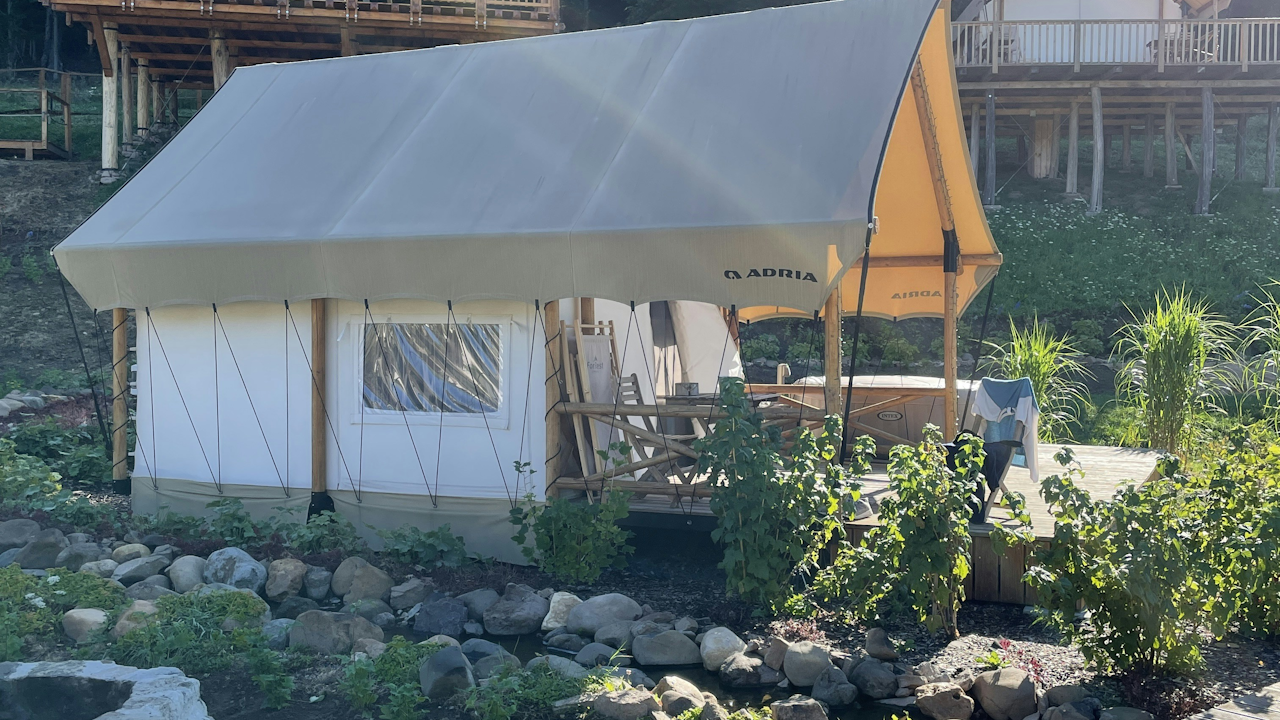
In recent years, the way people experience the outdoors has undergone a profound transformation. Traditional camping, once defined by pitching a tent, sleeping on the ground, and cooking over an open fire, has given way to a more refined alternative that offers all the beauty of nature without the discomforts of roughing it. This alternative is glamping, a portmanteau of glamorous and camping. Glamping delivers luxury accommodations in stunning natural settings, complete with plush beds, private bathrooms, climate control, and gourmet dining options. It has quickly become the preferred choice for modern travelers who want authentic outdoor adventures but refuse to sacrifice comfort or convenience.
The shift is not just a fleeting trend. Industry reports show the global glamping market reached approximately 3.8 billion dollars in 2025 and is projected to grow to nearly 7.9 billion dollars by 2033, expanding at a compound annual growth rate of 9.5 percent. In the United States alone, the market is expected to more than double from 561 million dollars in 2023 to 1.3 billion dollars by 2029. These numbers reflect a fundamental change in how people approach leisure travel. Millennials and Generation Z now account for a significant portion of new participants in outdoor activities, with data indicating that 34 percent of new campers in recent years have chosen glamping options. Families, professionals seeking quick escapes, and even retirees are joining the movement. They seek experiences that combine the serenity of the wilderness with the amenities of a high-end resort.
To understand why glamping has overtaken traditional camping as the go-to outdoor escape, it helps to examine the evolution of both activities. Camping has deep historical roots, dating back centuries as a means of survival, exploration, and recreation. In the early 20th century, it gained popularity through organizations like the Boy Scouts and as a way for families to bond during road trips and vacations. The appeal lay in self-reliance, simplicity, and a direct connection to nature. Campers packed their own gear, dealt with unpredictable weather, and embraced the challenges of setting up camp after a long day of hiking or driving.
Yet as society became more urbanized and fast-paced, the demands of everyday life shifted expectations. People still craved nature, but they had less tolerance for the physical hardships that once defined the experience. The term glamping emerged around 2005 in the United Kingdom, initially describing luxurious tented camps in safari-style settings in Africa and Asia. Wealthy travelers had long enjoyed similar setups during colonial-era expeditions, but the concept gained mainstream traction when it spread to Europe and North America. Today, glamping sites range from canvas bell tents with king-size beds to eco-pods, yurts, treehouses, geodesic domes, and even converted Airstream trailers. These accommodations sit in pristine locations near national parks, forests, lakes, and mountains, yet they come fully furnished and ready for immediate enjoyment.
One of the primary reasons glamping has become the new camping is the unmatched balance it strikes between nature and comfort. Modern travelers want to wake up to birdsong and panoramic mountain views, but they also expect a good night’s sleep on a real mattress rather than an inflatable pad. Glamping properties deliver exactly that. Guests step into accommodations equipped with plush bedding, heating and air conditioning, electricity, and often en-suite bathrooms with hot showers. Some sites even provide private hot tubs, fireplaces, and fully stocked kitchens. This setup eliminates the need to haul heavy gear, pitch tents in the dark, or worry about bugs invading sleeping bags. Instead, visitors focus on the joys of the outdoors, such as stargazing from a comfortable deck or enjoying morning coffee while surrounded by trees.
This comfort level opens the activity to a much broader audience than traditional camping ever could. Families with young children no longer have to struggle with packing cribs, high chairs, and endless supplies. Older adults and those with mobility challenges can participate without the physical strain of carrying loads or sleeping on hard ground. Beginners who once avoided camping altogether because of fears about weather or insects now feel confident booking a glamping stay. The result is an inclusive experience that brings more people into nature than ever before. Recent surveys highlight that over 15 million new participants entered outdoor recreation in the past five years, many of them through glamping.
Wellness and the opportunity for digital detox represent another powerful driver behind the rise of glamping. In an era of constant connectivity and high stress, people actively seek ways to unplug and recharge. Glamping sites have responded by incorporating wellness programs that enhance the natural setting. Many locations offer sunrise yoga sessions on wooden platforms overlooking valleys, guided meditation in forest clearings, and spa treatments using locally sourced ingredients. Forest bathing, a practice rooted in Japanese shinrin-yoku, has become a staple at upscale glamping resorts. Guests walk slowly through the woods, engaging their senses to reduce anxiety and improve mental clarity. Farm-to-table dining featuring fresh produce from on-site gardens adds another layer of nourishment for both body and mind.
The emphasis on wellness aligns perfectly with post-pandemic preferences. After years of lockdowns and social distancing, travelers prioritized private, outdoor spaces that minimized contact with crowds. Glamping delivers secluded retreats where families or couples can enjoy exclusive areas without shared lobbies or hallways. The open-air design feels inherently safer and more rejuvenating, allowing fresh air to circulate freely. This shift has proven lasting, as health-conscious individuals continue to favor experiences that promote both physical distance and emotional connection to nature.
Sustainability plays a central role in why glamping appeals to today’s eco-conscious travelers. Unlike large hotel complexes that consume vast resources, many glamping sites use low-impact construction methods. Tents and pods often sit on raised platforms to preserve the ground below, while solar panels, rainwater collection systems, and composting toilets reduce environmental footprints. Operators source materials locally, such as wood and bamboo, and partner with conservation groups to protect surrounding habitats. Conscious travelers appreciate that they can immerse themselves in nature responsibly. In fact, research shows that 83 percent of global travelers now factor sustainability into their booking decisions, and many are willing to pay a premium for eco-friendly options. Glamping operators who prioritize green practices gain a competitive edge, attracting guests who want their vacations to align with their values.
The visual and experiential uniqueness of glamping further fuels its popularity in the age of social media. Travelers in 2025 seek more than just a place to stay. They want Instagrammable moments that create shareable memories. Geodesic domes with transparent roofs for stargazing, luxury safari tents with panoramic windows, and treehouses nestled among ancient oaks provide stunning backdrops. Guests capture photos of breakfast served on private decks, bonfires under the stars, or hot tubs overlooking waterfalls. These images spread rapidly across platforms, inspiring others to book similar escapes. Social media has transformed glamping from a niche luxury into a cultural phenomenon, where the experience itself becomes part of personal branding.
Beyond individual appeal, glamping offers practical advantages over traditional camping that make it the smarter choice for many. Setting up camp traditionally requires significant time, effort, and equipment investment. Campers must purchase or rent tents, sleeping bags, cookware, lanterns, and more, then transport everything to the site. Weather can ruin plans quickly if gear fails. Glamping removes these barriers entirely. Properties provide everything from linens to kitchen utensils, often including concierge services for activities like guided hikes or wine tastings. This convenience saves money in the long run for those who camp infrequently, since there is no need to own specialized equipment. While a single glamping night may cost more than a basic campsite, the value comes from reduced hassle and enhanced enjoyment.
Comparisons between the two styles highlight clear differences. Traditional camping emphasizes self-sufficiency and adventure through challenge. Campers learn survival skills, build fires, and adapt to the elements. It fosters a raw, unfiltered connection to the wilderness that many still cherish. Glamping, by contrast, prioritizes relaxation and accessibility while preserving that connection. Accommodations bring hotel-level luxury into the landscape, allowing guests to focus on exploration rather than logistics. Both approaches have merit, yet glamping has proven more adaptable to contemporary lifestyles. It appeals to urban professionals with limited vacation time who want quick weekend getaways within a few hours’ drive of cities. It suits multigenerational groups seeking activities for all ages. And it attracts couples looking for romantic escapes that feel exclusive and memorable.
Diverse accommodation types contribute to glamping’s broad appeal. Canvas bell tents and safari tents evoke classic adventure while offering modern interiors. Yurts, inspired by Central Asian nomadic designs, provide circular spaces with domed ceilings and efficient heating. Treehouses elevate the experience literally, offering elevated views and a sense of seclusion. Geodesic domes and pods deliver futuristic aesthetics with excellent insulation and natural light. Cabins and tiny homes add permanence and space for larger groups. Converted vehicles like luxury Airstreams combine mobility with style. Each option caters to different preferences, from minimalist eco-designs to opulent setups with chandeliers and clawfoot tubs. This variety ensures that glamping never feels repetitive or one-size-fits-all.
Popular destinations around the world showcase the best of what glamping has to offer. In the United States, sites near national parks in Colorado, California, and Utah blend rugged landscapes with high-end comforts. European glamping often features historic estates turned into luxury tented villages or eco-lodges in the Alps and Scottish Highlands. In Asia and Africa, safari-style camps provide close encounters with wildlife while maintaining five-star service. Emerging hotspots in South America and Australia emphasize sustainable practices amid unique ecosystems. Closer to home, many properties now partner with local farmers for fresh meals and Indigenous guides for cultural tours, enriching the stay with authentic storytelling and community support.
The economic impact of glamping extends beyond guest satisfaction. The industry creates jobs in rural areas that traditional tourism might overlook. Small operators build modular structures that can be installed with minimal disruption, allowing quick entry into the market. Larger brands, including hotel chains, have begun acquiring or developing glamping properties to diversify their portfolios. This investment signals confidence in the sector’s long-term viability. Dynamic pricing, off-season wellness packages, and year-round activities help mitigate seasonality challenges that once plagued outdoor hospitality.
Looking ahead, several trends suggest glamping will continue to evolve and dominate outdoor travel. Technology integration is accelerating, with smart tents featuring app-controlled lighting, temperature, and security systems. High-speed internet enables remote workers to combine nature escapes with productivity, giving rise to workcation packages. Artificial intelligence helps operators personalize experiences, from recommending trails based on fitness levels to curating menus according to dietary preferences. Sustainability innovations, such as biodegradable materials and carbon-negative operations, will become standard as regulations tighten and guest expectations rise. Unique designs, including floating pods on lakes and underground eco-caves, will push creative boundaries while maintaining low environmental impact.
Despite its strengths, glamping is not without critics. Some argue that it distances people from the true essence of camping by removing challenges that build resilience. Others point out that higher price points can exclude budget travelers, potentially limiting accessibility. When poorly managed, large-scale developments could strain local resources or habitats. Responsible operators address these concerns through transparent practices, community involvement, and tiered pricing options that include more affordable glamping tiers. Education campaigns help guests understand how their choices support conservation.
In the end, glamping represents more than upgraded camping. It embodies a new philosophy of travel that values balance, mindfulness, and connection in an increasingly disconnected world. It allows people to slow down, breathe fresh air, and create lasting memories without the exhaustion that sometimes accompanies traditional methods. As market projections confirm steady double-digit growth, and as more travelers discover its benefits, glamping stands poised to redefine outdoor hospitality for decades to come. Whether for a weekend family adventure, a romantic retreat, or a solo wellness journey, glamping offers the perfect invitation to experience nature in style. The wilderness has never been more welcoming, and the future of camping looks decidedly glamorous.