

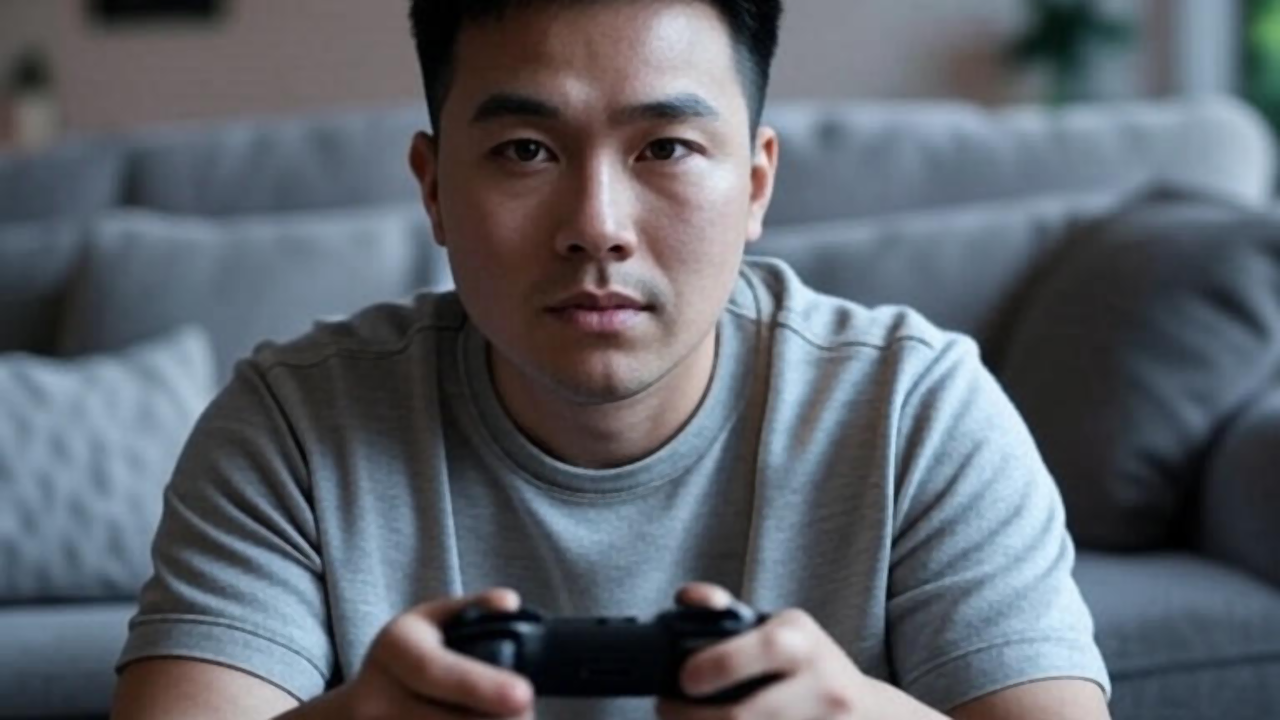
Gaming has emerged as a powerful, accessible form of self-directed support for mental well-being in recent years. Once dismissed as mere entertainment or even a potential source of harm, video games now stand out as a legitimate tool that millions rely on to manage stress, anxiety, depression, and other challenges. Surveys and studies reveal a clear trend: people are turning to gaming not just for fun but as a practical way to cope when traditional therapy feels out of reach, unaffordable, or unappealing. This shift reflects broader changes in how society approaches mental health, especially among younger generations who value immediacy, engagement, and low barriers to entry. What was once seen as a hobby has quietly become the new therapy for many, offering psychological benefits backed by growing scientific evidence.
The numbers tell a compelling story about gaming’s role in everyday emotional health. A 2025 global survey of more than 24,000 players across 21 countries found that 77 percent reported reduced stress from playing games, 70 percent experienced lower anxiety levels, and 64 percent credited gaming with easing feelings of loneliness. In Europe specifically, 72 percent said games helped them feel less stressed, while 56 percent noted a reduction in isolation. Another study from Boston University researchers showed that 64 percent of respondents used video games specifically as a method of coping with stress, with similar rates for both single-player and multiplayer experiences. During periods of heightened global uncertainty, such as the COVID-19 pandemic, these patterns intensified, as games provided a reliable outlet when in-person social support and professional care were limited.
This rise is not accidental. Gaming fills gaps left by conventional mental health services. Traditional therapy often involves long wait times, high costs, and the stigma of admitting vulnerability in a clinical setting. In contrast, games are available instantly on devices most people already own, cost little or nothing beyond an initial purchase, and deliver immediate rewards through progress, achievement, and immersion. A separate survey highlighted that 44 percent of gamers view their hobby as supporting mental health as effectively as therapy or mindfulness practices, with one in 10 describing it as a more affordable alternative when professional care feels inaccessible. For many, this makes gaming feel like a private, judgment-free space to process emotions and build skills.
At the heart of gaming’s therapeutic potential are well-documented psychological mechanisms that mirror established therapeutic techniques. One key factor is the induction of a “flow state,” a term coined by psychologist Mihaly Csikszentmihalyi to describe deep, effortless absorption in an activity where time seems to distort and self-consciousness fades. Video games are particularly effective at triggering flow because they balance challenge and skill with clear goals, immediate feedback, and escalating difficulty. Research from the University of California, Riverside, demonstrated that playing games like Tetris during periods of uncertainty led participants to report less worry and more positive emotions compared to those who did not play. The same study linked flow-inducing activities to reduced depressive symptoms and loneliness during isolation. This mirrors the benefits of mindfulness meditation but feels far more engaging and less like a chore, making it especially appealing for those who struggle with traditional relaxation methods.
Stress reduction occurs through multiple pathways. Casual games, for instance, provide a quick physiological reset. One experiment with undergraduate students compared 20 minutes of playing the serene game Flower to a body-scan mindfulness exercise and found comparable drops in heart rate, blood pressure, and self-reported psychological stress. While the mindfulness group edged out slightly on perceived stress, the similarities across all measures suggested that games offer a viable, accessible alternative. Dopamine release during rewarding gameplay further contributes to mood elevation, acting as a natural counter to low motivation often seen in depression. Games also promote emotional regulation by allowing safe experimentation with failure and recovery. Players repeatedly encounter setbacks yet persist, building resilience that translates to real-life challenges. Narrative-driven titles enable emotional processing through storylines that mirror personal struggles, fostering empathy and insight without direct confrontation.
Social connection represents another major pillar. Multiplayer and online games combat isolation in ways that feel organic and low-pressure. Cooperative play encourages teamwork, communication, and trust-building, skills that benefit real-world relationships. Studies show that playing with friends correlates with lower anxiety and depression scores, even after controlling for other factors. Virtual communities provide belonging for those who find face-to-face interactions daunting, offering anonymity that lowers barriers for introverted or socially anxious individuals. Veterans recovering from PTSD and substance use disorders, for example, reported in interviews that games helped with mood management, adaptive coping, and socializing, turning solitary play into meaningful interpersonal experiences.
Cognitive benefits add to the therapeutic value. Many games sharpen attention, problem-solving, spatial reasoning, and executive function, areas often impaired in conditions like ADHD. The U.S. Food and Drug Administration approved EndeavorRx in 2020 as the first prescription video game for treating ADHD in children, demonstrating measurable improvements in sustained attention through targeted gameplay. Broader research supports modest gains in cognitive skills from both commercial and designed therapeutic games. For older adults or those with cognitive decline, these effects may be even more pronounced, with meta-analyses indicating effectiveness across age groups when games incorporate elements of exercise or strategy.
Specific mental health conditions illustrate gaming’s targeted impact. For depression and anxiety, commercial titles have shown promise in reducing symptom severity. A narrative review of studies concluded that readily available games serve as an inexpensive, stigma-free resource that decreases depressive and anxious symptoms, with high adherence rates due to their entertaining nature. One trial found that a single 30-minute session of Plants vs. Zombies significantly alleviated treatment-resistant depression in adults. Games designed explicitly for therapy, such as SPARX, use fantasy role-playing to teach cognitive behavioral techniques for handling negative thoughts in teenagers. Johns Hopkins Children’s Center researchers reviewed multiple studies and reported modest symptom reductions in depression and ADHD among children and teens using purpose-built games, though anxiety-specific titles showed smaller effects.
Post-traumatic stress disorder offers another striking example. Tetris has been paired with psychotherapy to disrupt the consolidation of traumatic memories, leading to fewer intrusive thoughts and even increased hippocampal volume in some patients. Veterans in recovery programs described games as tools for symptom substitution and eudaimonic well-being, including greater confidence and role functioning. Attention-deficit/hyperactivity disorder benefits from games that train dual-task attention and impulse control, while applications extend to autism spectrum disorder, where games improve social skills and emotional recognition.
Role-playing games, both digital and tabletop, extend these advantages into group settings. Clinicians use titles like Dungeons and Dragons in therapy to address anxiety, depression, trauma, and ADHD by practicing social skills, emotional expression, and coping strategies in a structured yet creative environment. Players explore identities safely through avatars, with one survey noting that 81 percent of gamers say gaming helps them discover different sides of themselves.
Accessibility amplifies gaming’s appeal as therapy. It requires no scheduling, travel, or insurance approval. Games meet people where they are, culturally and technologically, and scale to individual needs. Casual mobile titles suit quick stress relief, while immersive open-world experiences provide deeper escapism or exploration. This flexibility makes gaming particularly valuable for underserved populations, including those in rural areas or with mobility challenges. During crises, it preserves social ties and routine when other supports falter.
Real-world applications in clinical practice underscore the trend. Therapists incorporate popular games like Minecraft into sessions for children, using in-game builds and communities as metaphors for real-life emotions and relationships. This approach removes barriers to expression, allowing indirect discussion of difficult topics. Applied games integrate cognitive behavioral therapy principles directly into gameplay, boosting adherence through motivation and enjoyment.
Of course, balance remains essential. Gaming is not a universal cure, and excessive play without moderation can exacerbate issues like sleep disruption or social withdrawal in vulnerable individuals. Research emphasizes context: benefits appear strongest for moderate, intentional use, especially when combined with other strategies. Social play tends to yield better outcomes than solitary excessive sessions. Experts recommend viewing games as a complement to professional care rather than a standalone replacement, particularly for severe conditions.
Looking ahead, the integration of gaming into mental health care continues to evolve. Gamified interventions show medium effect sizes in meta-analyses for various disorders, with particular promise for older adults. As technology advances, virtual reality and personalized experiences may deepen immersion and customization. The evidence already supports what many players have long intuited: gaming engages the brain and emotions in ways that promote healing, growth, and connection.
In summary, gaming has become the new therapy for many because it aligns perfectly with human needs for challenge, reward, belonging, and flow. It delivers stress relief, cognitive sharpening, emotional resilience, and social support through mechanisms that feel natural and enjoyable. Backed by studies ranging from FDA approvals to large-scale surveys, this approach democratizes mental health support in an era when demand outpaces supply. For countless individuals, picking up a controller or diving into a virtual world is not escapism in a negative sense but a proactive step toward feeling better, more capable, and less alone. As awareness grows, gaming’s therapeutic role will likely expand, offering a vibrant, interactive path to well-being that meets people on their own terms.