

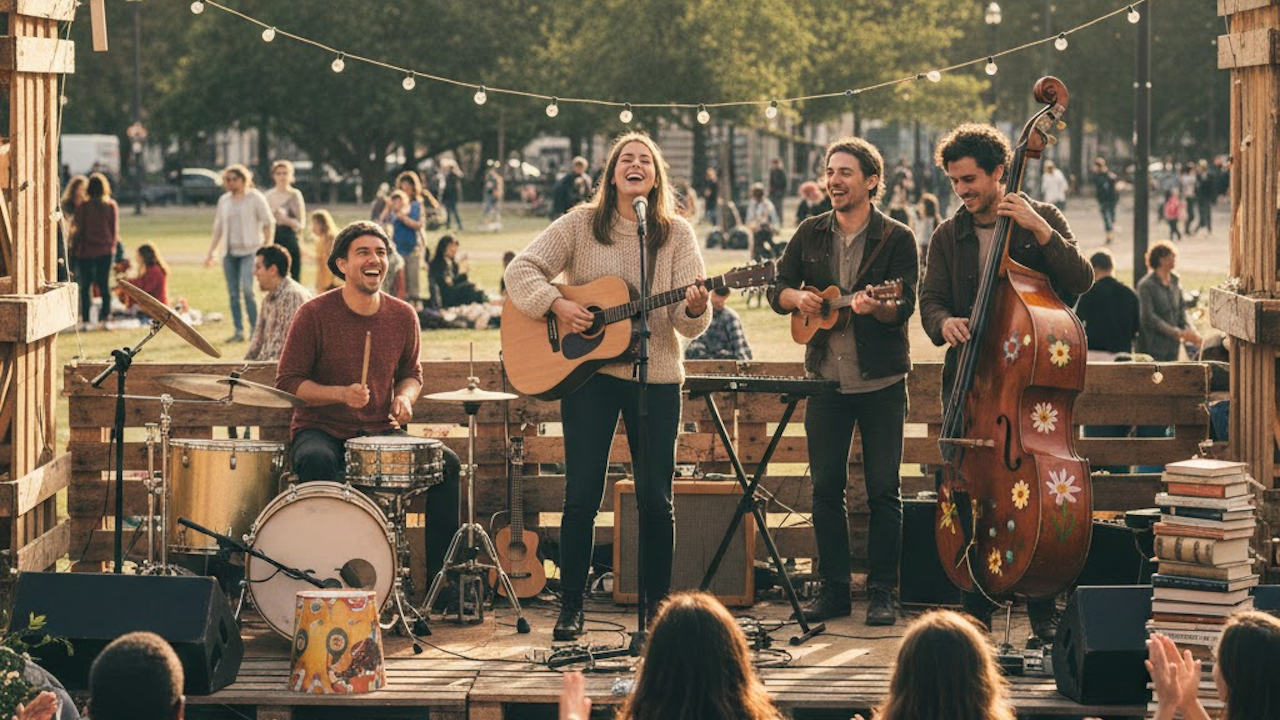
In today’s music world the old rules no longer apply with the same force. Major label artists backed by large teams, expensive studios, and decades of industry infrastructure still dominate many global charts and stadium stages. Yet a parallel universe of independent creators working from bedrooms, kitchens, and laptops consistently generates cultural moments, loyal followings, and streaming numbers that rival or exceed expectations for polished professionals. These amateurs often lack formal training, big budgets, and gatekeeper approval. They succeed anyway because technology has removed traditional barriers, platforms reward direct engagement over connections, and audiences increasingly crave something that feels real rather than manufactured.
The shift is not a complete overthrow of professionalism. It is a rebalancing. Amateurs bring speed, risk taking, and unfiltered personality that large systems sometimes struggle to match. Pros bring resources and scale. The amateurs who stand out demonstrate that passion plus accessible tools can outperform formula and budget in the metrics that now matter most: cultural resonance, fan retention, and the ability to spark trends from nothing.
Technology Has Put Studio Power in Everyone’s Hands
For most of recording history, high quality music demanded physical spaces filled with costly equipment and skilled specialists. Analog tape, large consoles, and live session players created natural gatekeepers. Only those with label support or personal wealth could clear those hurdles consistently.
Digital audio workstations changed everything. Affordable or free software such as GarageBand, FL Studio, Ableton Live, and Logic Pro lets one person handle recording, editing, mixing, and mastering on a standard laptop. Plug ins supply virtual drums, synthesizers, strings, and effects that once required hardware or live musicians. A basic audio interface and microphone complete a setup capable of commercial results.
This democratization removed financial and logistical barriers at once. Analyses of the change note that recent technological advances have allowed novices to become near professional sounding producers, removing barriers from both financial and talent perspectives. One examination of workforce data pointed to a 510 percent increase in people listing music as their full time occupation over a recent decade. The volume of quality output exploded as a result, feeding the streaming economy while empowering creators who never would have reached a traditional studio.
Examples illustrate the point clearly. The producer Burial built acclaimed, atmospheric albums using inexpensive software like Sony ACID and Sound Forge, manually aligning elements without high end gear. Porter Robinson crafted early releases on a modest laptop with FL Studio. These works competed with and often influenced major label productions. The lesson spread quickly: inspiration and persistence now matter more than access to a million dollar room. Amateurs iterate rapidly, embrace unconventional sounds, and avoid the creative compromises that come with expensive sessions that must justify their cost.
Professionals still use many of the same tools, often at higher levels of refinement. Yet the baseline has risen so far that the amateur advantage in agility and low overhead frequently outweighs marginal differences in technical polish. The playing field has leveled enough that raw ideas from outside the system can reach audiences before industry filters apply.
Platforms and Algorithms Reward Outsiders Who Connect
Traditional labels controlled distribution, radio access, and marketing spend for generations. They scouted, developed, and shaped artists according to commercial templates. That model rewarded those who fit existing molds or possessed industry relationships.
Streaming services and social platforms dismantled much of the old control. Distribution through services like DistroKid or TuneCore costs little and places music on major platforms instantly. Discovery now flows through algorithms that measure actual listener behavior: saves, shares, completion rates, and playlist adds. Payola and label influence persist in some corners, yet user driven mechanics create openings for unknowns.
TikTok and similar short form video apps accelerated the change. A compelling snippet or meme can spread worldwide in days without radio or playlist deals. Independent communities have responded by building alternatives to paid promotion. Initiatives such as New Artist Spotlight connect creators through peer voted charts, free playlists, and radio exposure that bypass traditional pay to play dynamics. Artists frustrated with industry practices rally around these spaces for genuine support.
Data reflects the broader movement. Independent music revenues grew by 16.1 percent in 2024, significantly faster than the overall industry rate of 9 percent. While major consolidated labels still lead in headline market share through blockbuster releases, the long tail and many breakout moments originate outside that system. Amateurs do not wait for approval. They upload, promote through their own networks, and let engagement decide outcomes.
This environment favors creators who understand their audience directly. They respond to feedback in real time, adjust quickly, and build communities rather than relying on intermittent campaign pushes. The result is momentum that can feel organic and unstoppable once it begins.
Audiences Choose Authenticity Over Perfection
Listener fatigue with hyper polished productions has become a recurring theme. Quantized rhythms, heavily tuned vocals, and dense layering can create impressive but emotionally distant results. Many listeners now gravitate toward recordings that retain human traces: slight timing variations, room tone, intimate vocal delivery, or intentional lo fi textures.
Evidence supports the preference. Reports indicate that 90 percent of music fans say authenticity matters most today because it helps them connect through genuine moments rather than staged presentations. Fans detect manufactured attempts at realness and respond instead to unfiltered expression. This demand has sustained entire microgenres built around bedroom aesthetics and raw presentation.
Clairo provided an early template. As a teenager she recorded the track “Pretty Girl” in her bedroom with limited equipment, a simple keyboard, and minimal production. The song carried a casual, unpretentious quality that resonated widely on SoundCloud and YouTube. Its viral success helped define bedroom pop as a movement centered on intimacy and self sufficiency rather than studio gloss. The accompanying video, filmed quickly in her childhood room, reinforced the candid appeal.
Similar patterns appear across styles. Lo fi hip hop and various internet born electronic strains embrace imperfect textures deliberately. The character of the recording becomes part of the message. Discussions among producers and listeners frequently note that some audiences have grown tired of super perfect productions and now seek organic sounds that carry vibe and immediacy, even when technically rougher.
Professionals can incorporate these qualities, yet the originating energy often comes from amateur spaces where commercial pressure is lower. The amateurs who break through prove that emotional truth travels farther than technical flawlessness in the current climate.
Social Virality and Direct Relationships Amplify Amateur Reach
Social platforms have effectively become the new talent scouts and promotional engines. Lil Nas X demonstrated the model in striking fashion. He released “Old Town Road” independently in December 2018 after acquiring a beat online for roughly thirty dollars. He then leaned into memes and the Yeehaw Challenge on TikTok, where user created videos drove explosive growth. The track entered charts, achieved historic runs at number one, and sparked genre debates before any major label involvement. Only after proven traction did he sign with Columbia Records.
The pattern repeats across successes. Early viral clips or consistent posting build audiences that later attract traditional support on stronger terms. Amateurs move faster because they face fewer internal approvals and can align content with live cultural moments without delay.
Beyond virality, direct fan relationships provide staying power. Creators use live streams, Discord servers, Patreon pages, and regular updates to foster loyalty. These bonds translate into consistent streaming, merchandise purchases, and sold out small venue shows even without constant radio presence. In a fragmented attention economy, such connections often prove more reliable than passive discovery through playlists.
Professionals possess advantages in large scale campaigns and infrastructure. Amateurs compensate with speed, authenticity, and ownership of their narrative. The combination frequently allows them to punch above their initial weight.
Economic Incentives and Creative Freedom Favor the Independent Path
Financial structures have shifted in ways that reward self reliance. Major label advances must be recouped from artist royalties, sometimes leaving creators with modest net earnings for extended periods. Independent distribution lets artists retain the majority of streaming revenue after modest platform and distributor fees.
While absolute earnings may start smaller without label marketing muscle, the higher retention rate supports sustainability at lower volumes. Niche artists can build viable careers by serving dedicated communities rather than chasing the broad appeal required to justify major investment. Additional revenue from live shows, sync placements, and direct sales further strengthens the model.
Majors continue to excel at global coordination and high visibility campaigns. For many creators, however, the trade off of creative control and debt avoidance outweighs those benefits. The faster growth of independent revenues signals that this calculation works for an expanding group of artists.
Creative freedom represents another edge. Amateurs experiment without committees evaluating commercial viability. They blend genres, explore personal themes, and chase unconventional ideas. These risks seed trends that later reach wider audiences. Historical parallels exist in punk, early hip hop, and countless underground movements that began outside formal structures. Current microgenres in electronic and alternative spaces follow similar trajectories from home setups and online communities.
Realities, Limitations, and the Blurring Boundary
The story contains important nuances. Professional resources still deliver advantages in technical refinement, arrangement complexity, and visual production values. Marketing budgets move awareness at scale. Many amateur successes eventually seek label partnerships for expansion once momentum builds.
The market is also flooded. Over one hundred thousand new songs appear daily on Spotify alone. Most amateur uploads gain minimal traction. Success demands talent, consistency, timing, and often an element of luck with platform algorithms. Not every bedroom recording becomes a phenomenon.
Yet the directional trend remains clear. The amateurs who break through frequently do so while retaining greater agency and authenticity. Many professionals now borrow techniques and aesthetics from amateur scenes to maintain relevance. The categories have softened into a continuum where the strongest work combines accessible tools with disciplined craft and genuine expression.
The Path Forward
Technology will continue lowering barriers. Accessible AI assisted tools for beats, arrangement, and even vocal processing will accelerate experimentation, particularly among agile amateurs unburdened by legacy processes. Platforms will keep refining discovery mechanisms that prioritize engagement and originality.
The enduring lesson is that connection and distinctiveness now compete effectively with polish and infrastructure. Amateurs embody that shift most visibly because they operate closest to the source of inspiration without layers of mediation. Professionals who recapture elements of that freedom and directness will adapt successfully. Those who cling exclusively to old advantages may find audiences drifting toward voices that feel more immediate and human.
Music has always advanced through new entrants challenging established norms. The current wave of amateur creators armed with laptops, social platforms, and unfiltered ideas continues that tradition with fresh tools and unprecedented reach. They are not merely participating. They are reshaping expectations around what music can sound like, who gets to make it, and how it finds its audience. The professionals who recognize and respond to this evolution will share in a richer, more dynamic musical landscape. The rest risk irrelevance in a world that increasingly values the spark of the amateur spirit.