

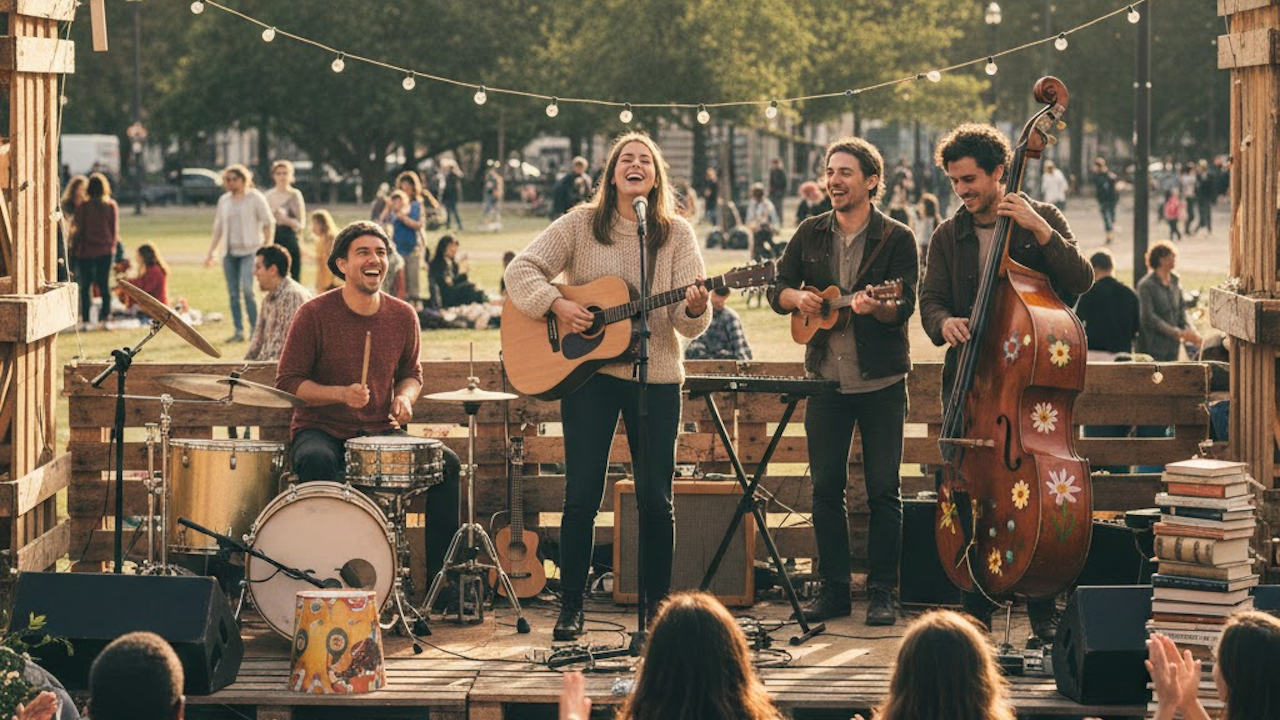
For much of modern history, professional musicians held an uncontested position at the top of the musical hierarchy. They had access to studios, labels, marketing teams, and distribution channels that amateurs could not reach. Today, that balance has shifted dramatically. Across genres and platforms, amateurs are not only competing with professionals but often outshining them. This change is not about a decline in skill among professionals. It is about a transformation in how music is created, shared, and valued.
One of the biggest reasons amateurs are thriving is access. High quality recording equipment, production software, and distribution tools are now affordable and widely available. A bedroom musician with a laptop can produce a track that sounds polished enough for global release. Platforms like YouTube, TikTok, SoundCloud, and Bandcamp allow artists to reach millions without a label or gatekeeper. In the past, professionalism was tied to infrastructure. Now it is tied to creativity and consistency, both of which amateurs can deliver in abundance.
Authenticity also plays a major role. Audiences today are drawn to music that feels personal, raw, and honest. Amateur musicians often share songs that are imperfect but emotionally direct. These tracks can feel more relatable than heavily produced commercial releases. Listeners hear the humanity in a cracked vocal or a rough mix and connect with it. Professionals, especially those working within major industry systems, are sometimes constrained by trends, branding strategies, and expectations that can sand down individuality. Amateurs have the freedom to sound like themselves.
Another factor is speed. Amateurs can react quickly to cultural moments, viral trends, or personal inspiration. They can write, record, and upload a song in days or even hours. Professionals often work within slower systems involving approvals, marketing schedules, and contractual obligations. In an era where relevance can be fleeting, the ability to move fast is powerful. Many viral hits today come from unknown creators responding creatively to the moment rather than established acts planning long release cycles.
The relationship between artists and audiences has also changed. Amateurs often build their followings through direct interaction. They reply to comments, livestream casually, and share their creative process openly. This builds a sense of community rather than distance. Fans feel invested not just in the music but in the person making it. Professionals, by contrast, are often mediated through teams and curated personas. While polish can be impressive, it can also feel remote. In a digital culture that values connection, proximity often wins.
Genre boundaries are another area where amateurs excel. Without pressure to fit neatly into a market category, amateurs freely blend styles, influences, and sounds. This experimentation leads to fresh music that does not feel formulaic. Many professional releases are shaped by genre expectations and streaming algorithms that reward predictability. Amateurs can ignore those pressures and take creative risks. Ironically, those risks are often what attract attention and eventually influence the mainstream.
Economic realities also shape the landscape. Professional musicians often rely on music as their primary income, which can push them toward safer choices. Amateurs may create music alongside other jobs, freeing them from the need to monetize every release. This financial distance allows for play, exploration, and failure. When success is not required for survival, creativity can breathe. Many listeners sense this difference and gravitate toward music that feels less transactional.
It is also worth noting that audiences themselves have changed. Listeners are no longer passive consumers waiting for experts to deliver culture. They are participants who remix, comment, duet, and share. Amateurs fit naturally into this participatory ecosystem. They feel like peers rather than distant stars. The line between creator and listener has blurred, and amateurs thrive in that space.
This does not mean professionals are becoming irrelevant. Many continue to produce exceptional work, and the skills developed through years of training still matter. However, professionalism alone no longer guarantees attention or admiration. The tools that once defined professional status are now available to almost everyone. What stands out instead is originality, sincerity, and connection.
In the end, amateurs are outshining professionals not because they are better musicians in a traditional sense, but because they are better aligned with the current cultural moment. They move faster, sound more personal, take more risks, and connect more directly with audiences. In a music world shaped by accessibility and intimacy, those qualities shine brighter than polish alone.