

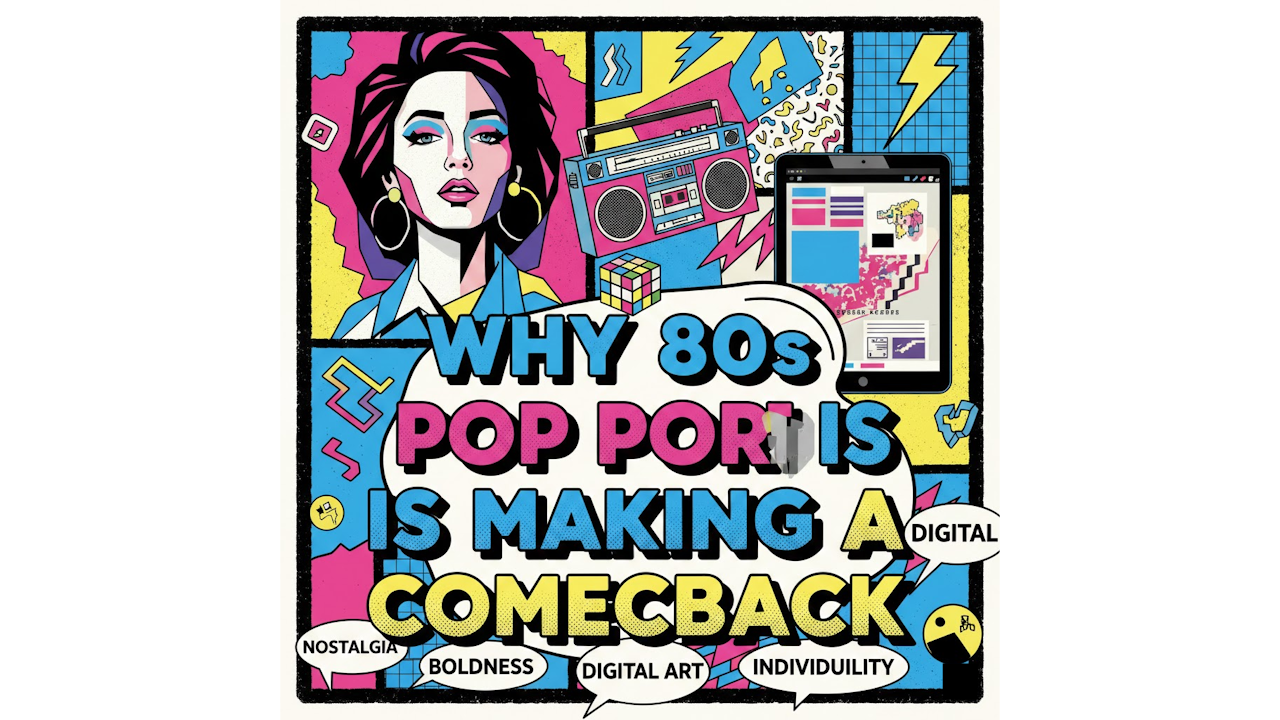
The Resurgence of Nostalgia in Modern Culture
Nostalgia has emerged as a powerful force within contemporary culture, particularly evident in the revival of 1980s aesthetics. The 80s, characterized by vibrant colors, bold patterns, and an unapologetic embrace of individuality, are becoming increasingly popular amongst millennials and Gen Z. This renewed interest can be attributed to a variety of factors, including the psychological effects of nostalgia, the role of social media, and a rejection of modern minimalism.
The psychological appeal of nostalgia is well-documented, as individuals often seek comfort in familiar memories during uncertain times. The 1980s, a decade often associated with carefree optimism and cultural vibrancy, offers a rich tapestry of experiences that resonate deeply with younger generations. By embracing 80s pop art and aesthetics, individuals not only indulge in nostalgic sentiments but also express their desire for authenticity in a world dominated by digital conformity.
Social media platforms play a crucial role in curating and sharing nostalgic content, facilitating a direct connection to 80s culture. Hashtags and curated feeds showcase iconic films, music, and fashion trends from the era, allowing users to rediscover and engage with the visual language of the past. This digital phenomenon has led to a proliferation of 80s-inspired works in contemporary designs, ranging from fashion and graphic art to music remixes, all of which contribute to the ongoing revival.
Millennials and Gen Z, often critical of modern minimalism and its associated ideologies, may turn to the vibrant excess of the 1980s as a form of rebellion. Embracing the eclectic and flamboyant aspects of 80s pop art provides a creative outlet that contrasts sharply with the uniformity prevalent in today’s design trends. As these generations shape the current cultural landscape, their adoption of the bold and expressive elements from the 80s highlights the ongoing significance of nostalgia in modern society.
The Influence of 80s Pop Art on Today’s Artists
The resurgence of 80s pop art can be witnessed in the works of numerous contemporary artists who draw inspiration from this vibrant era. Characterized by its use of bold colors, striking patterns, and iconic imagery, 80s pop art has left an indelible mark on the art world. Today’s artists are increasingly channeling these elements, breathing new life into this influential movement while ensuring it resonates with a modern audience.
Artists such as Takashi Murakami and Shepard Fairey have successfully adopted and reinterpreted the aesthetics of 80s pop art. Murakami’s work, with its vivid colors and strikingly simplistic shapes, evokes the same visual exuberance found in the works of the 80s. His signature technique, known as “superflat,” combines traditional Japanese art with contemporary pop culture, leading to an engaging dialogue surrounding consumerism and societal norms.
Similarly, Shepard Fairey has made a name for himself by merging street art with pop art influences. His iconic “Obey Giant” campaign reflects classic pop art themes through a modern lens, showcasing how powerful imagery can engage the public. By utilizing techniques such as screen printing and collage, Fairey mirrors the bold aesthetic of 80s pop art while simultaneously addressing pressing social and political issues.
Moreover, many artists today are experimenting with new mediums and techniques that pay homage to the past while adapting it for contemporary tastes. Digital art, for instance, allows for the production of vibrant colors and intricate patterns that echo the 80s style but can also be disseminated widely through social media platforms. This digital transformation offers a fresh perspective on traditional pop art, enabling these artists to reach broader audiences than ever before.
As the influence of 80s pop art continues to resonate, it serves as a catalyst for creativity, motivating today’s artists to explore, reinterpret, and challenge the boundaries of this captivating genre.
The Role of Technology in Reviving 80s Pop Art
The resurgence of 80s pop art can largely be attributed to technological advancements that have transformed the landscape of artistic expression and accessibility. In particular, digital art tools have revolutionized how artists create and share their work. Historically, traditional mediums like painting or printmaking often limited artists to local audiences, but now, software applications and graphics tablets allow for endless experimentation and reinventing of classic 80s styles in a contemporary context. Artists can easily manipulate colors, shapes, and textures, thus breathing new life into iconic motifs from the past.
Social media platforms, particularly Instagram and TikTok, have become instrumental in showcasing pop art to a global audience. These platforms enable established and emerging artists alike to share their creations instantaneously, reaching followers far beyond their local communities. Through engaging content such as time-lapse videos and interactive stories, artists can connect with viewers in ways that were previously unimaginable. Furthermore, the visual nature of these platforms aligns seamlessly with the vibrant aesthetics of pop art, creating a perfect environment for this genre to thrive.
The integration of virtual and augmented reality technologies has also added depth to the revival of 80s pop art. Artists are now experimenting with creating immersive experiences that engage the audience in unique ways. For instance, virtual reality exhibitions allow viewers to step into a 3D space filled with digital renditions of pop art, simulating the feeling of walking through a gallery displaying classic and contemporary pieces. Similarly, augmented reality applications enable users to interact with pop art in their personal spaces, bridging the gap between the physical and digital realms.
Furthermore, collaborations between tech companies and artists are bridging the gap between nostalgia and innovation. These partnerships often merge traditional artistic influences with cutting-edge technology, thereby enriching the overall pop art landscape. Through these collaborations, the 80s aesthetic is not just preserved but is also updated for a modern audience, ensuring its relevance in today’s art scene.
The Impact of 80s Pop Art on Contemporary Design and Fashion
The influence of 80s pop art has permeated various aspects of contemporary design, notably in fashion, interior design, and graphic design. This vibrant artistic movement, characterized by its bold colors, playful patterns, and satirical elements, has made a significant resurgence in today’s aesthetic landscape. Fashion designers and brand houses are now revisiting the exuberance of the 80s, reinvigorating their collections with retro influences that resonate with modern consumers.
In contemporary fashion, we are witnessing a revival of bold prints and dramatic colors that mirror the essence of 80s pop art. Designers such as Moschino and Versace have embraced this nostalgic trend, introducing clothing that features eye-catching motifs and vibrant palettes reminiscent of the era. The marriage of high fashion and pop culture has facilitated the adoption of neon colors and graphic prints, giving rise to collections that not only pay homage to the past but also cater to the playful spirit of today’s generation.
Interior design has similarly seen a renaissance of 80s-inspired aesthetics, with brands integrating geometric patterns and bright hues into their spaces. The use of neon lighting, colorful wall art, and eclectic decor echoes the lively atmosphere of the 80s, allowing homeowners to express individuality and creativity. Notable design firms like Jonathan Adler have capitalized on this trend, employing vibrant colors and quirky elements that reflect the optimistic and bold essence of 80s pop art.
Moreover, graphic design has embraced the pop art movement, with visual campaigns utilizing the iconic styles and techniques that first emerged in the 1980s. The strategic combination of retro visuals with contemporary messaging has proven effective in captivating audiences, reaffirming the cyclical nature of design trends. By revisiting the past, we see how 80s pop art continues to inspire and shape contemporary design, creating a dialogue between eras and illustrating the timelessness of creativity.