

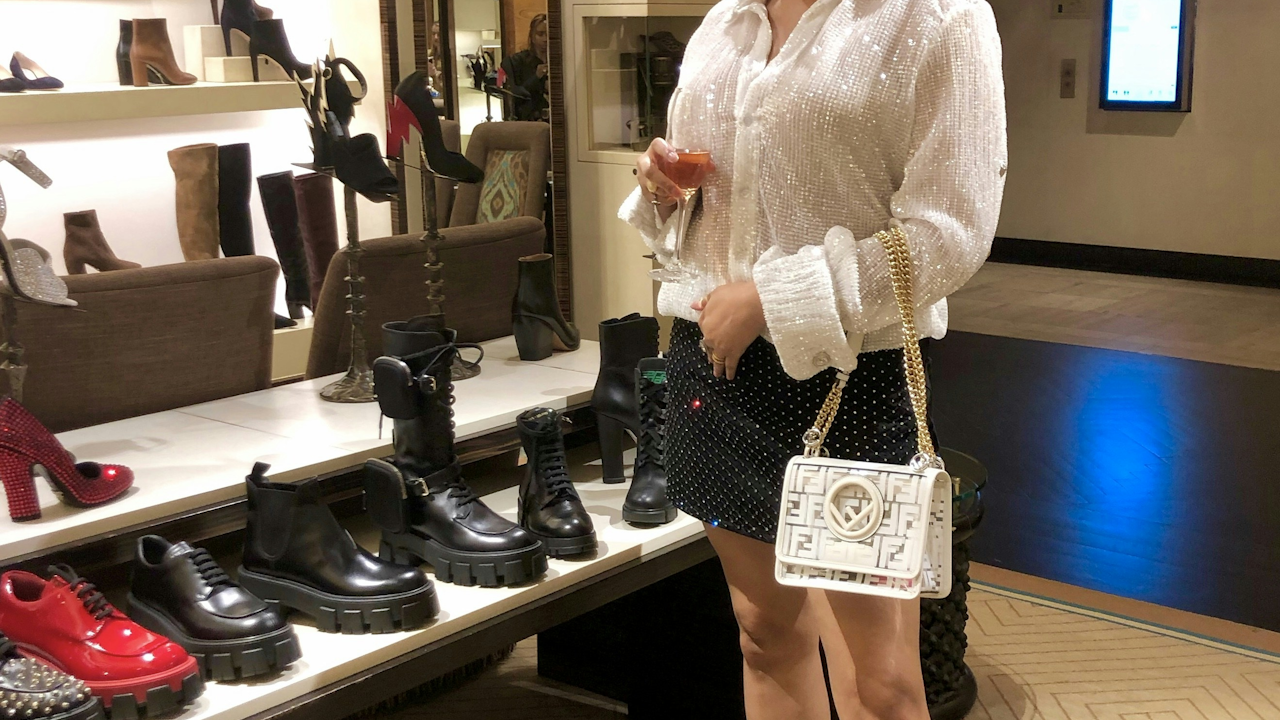
Shoes are far more than mere protection for your feet. They serve as silent communicators, broadcasting subtle yet powerful messages about your personality, lifestyle, values, and even your current mood. From the boardroom to the beach, the choices people make in footwear reveal layers of information that words often fail to convey. Psychologists and fashion experts alike have long noted that footwear can act as a window into one’s character, offering clues about confidence levels, attention to detail, creativity, and social status. In this comprehensive exploration, we will delve into the various types of shoes and what they might indicate about the wearer, drawing on observations from style analysts, cultural trends, and everyday human behavior.
The Psychology Behind Footwear Choices
Before examining specific shoe styles, it is important to understand the underlying psychology. Humans are visual creatures, and first impressions are formed within seconds. Shoes occupy a prominent position in our field of vision during interactions, especially when standing or walking. Studies in social psychology suggest that people subconsciously associate certain shoe characteristics with traits such as reliability, adventurousness, or sophistication. For instance, well maintained shoes often signal conscientiousness, while scuffed or worn pairs might hint at a more carefree or distracted mindset.
Color plays a significant role as well. Neutral tones like black, brown, or navy tend to suggest practicality and professionalism, whereas bright hues or bold patterns can indicate a vibrant, outgoing personality. The condition of the shoes matters too. Pristine leather loafers might point to someone who values tradition and order, while battered sneakers could belong to an individual who prioritizes comfort and functionality over appearance. Material choices further amplify these signals. Leather conveys durability and luxury, canvas suggests casual ease, and synthetic fabrics might reflect budget consciousness or environmental awareness, depending on the context.
Cultural and social influences also shape shoe perceptions. In professional settings, formal shoes are expected to project competence and respect for the environment. In creative industries, unconventional footwear can highlight originality and a willingness to break norms. Age, gender, and regional differences add additional nuances. What might be seen as stylish in one city could appear eccentric in another. Ultimately, shoes do not define a person entirely, but they contribute to the narrative others construct about them.
Classic Dress Shoes: The Mark of Professionalism and Tradition
Oxfords, derbies, and brogues fall into the category of classic dress shoes, often favored by those in corporate or formal environments. A pair of polished black Oxfords, with their closed lacing system and sleek silhouette, typically suggests a person who appreciates structure, reliability, and timeless elegance. Wearers of such shoes are frequently perceived as detail oriented, ambitious, and respectful of established conventions. They might be lawyers, executives, or professionals who thrive in hierarchical settings where first impressions carry weight.
Brogues, with their decorative perforations, add a touch of personality without sacrificing formality. Someone choosing wingtip brogues could be signaling creativity within boundaries, perhaps a manager who balances innovation with tradition. Brown versions of these styles often convey approachability and warmth compared to their black counterparts, which lean toward authority and seriousness.
The maintenance of dress shoes speaks volumes. Regularly polished leather indicates discipline and self respect. Neglected pairs, on the other hand, might suggest someone overwhelmed by responsibilities or indifferent to external judgments. In social contexts, men and women wearing well fitted dress shoes are often viewed as mature and put together, ready to engage in serious discussions or negotiations.
Loafers and Slip Ons: Effortless Sophistication or Casual Confidence
Loafers represent a bridge between formality and relaxation. Penny loafers, with their simple design and historical roots in Ivy League style, often belong to individuals who value understated elegance. These shoes suggest a person who is comfortable in their own skin, blending preppy influences with modern practicality. Executives on casual Fridays or academics might favor them, projecting an image of intelligence without the need for overt displays of power.
Tassel loafers add a slightly more playful element, potentially indicating a wearer who enjoys subtle flair and has a touch of old money aesthetic. In recent years, driving moccasins and other soft slip ons have gained popularity among those who prioritize comfort during travel or weekend outings. Choosing such footwear can reveal a preference for ease and sensory comfort, perhaps pointing to a personality that resists rigid constraints.
For women, ballet flats or similar slip on styles echo similar themes of graceful simplicity. They might suggest femininity, practicality, and a balanced approach to life that avoids extremes. Overall, loafers and slip ons communicate that the wearer is confident enough to forgo laces without appearing sloppy, a subtle nod to self assurance and adaptability.
Sneakers and Athletic Shoes: Energy, Youthfulness, and Practicality
Sneakers dominate modern casual wear, and their variations tell diverse stories. Pristine white sneakers, often associated with minimalist fashion, frequently indicate a person who embraces clean aesthetics, organization, and a forward looking mindset. Tech professionals, influencers, or urban dwellers in creative fields might choose them to signal modernity and approachability. The popularity of brands emphasizing sustainability in sneaker production can further suggest environmental consciousness.
Running shoes or high performance athletic footwear point to an active lifestyle. Wearers are often seen as health conscious, disciplined, and goal oriented. Someone lacing up trail runners might convey adventure seeking tendencies, enjoying outdoor challenges and nature immersion. Brightly colored athletic shoes can amplify perceptions of energy and optimism, while muted tones suggest a more subdued, functional approach to fitness.
Worn or dirty sneakers, however, carry different connotations. They might belong to a busy parent, a student juggling multiple commitments, or an artist too absorbed in creative pursuits to fuss over appearances. In youth culture, oversized or statement sneakers can highlight rebellion, trend awareness, or a desire to stand out in social groups. The rise of dad sneakers or chunky designs reflects a broader cultural shift toward comfort and nostalgia, appealing to those who reject discomfort in the name of style.
High heels and pumps signal femininity, power, and a willingness to endure discomfort for aesthetic impact. Stilettos, in particular, are associated with confidence, ambition, and sensuality. Women wearing them in professional or social settings are often perceived as assertive and image conscious, unafraid to command attention. The height and style matter. Modest kitten heels might suggest elegance and restraint, while towering platforms could indicate boldness or a flair for drama.
Not all high heeled shoes project the same image. Block heels offer stability and comfort, potentially revealing a practical side beneath the glamorous exterior. Worn down heels might hint at frequent use and a social or professional life that demands constant movement. In contrast, opting for comfortable wedges or espadrilles in warmer seasons can signal a relaxed, vacation ready attitude while still maintaining a polished look.
Boots: Ruggedness, Protection, and Individuality
Boots encompass a wide spectrum, from sleek Chelsea boots to heavy combat styles. Chelsea boots, with their elastic sides and minimalist profile, often denote urban sophistication and versatility. Professionals in creative industries or those with a rock and roll edge might select them, conveying a blend of refinement and edge. Their ease of wear suggests efficiency and a no fuss personality.
Ankle boots with heels project femininity and strength, appealing to those who navigate city streets with purpose. Cowboy boots, on the other hand, evoke a sense of heritage, independence, and perhaps a connection to rural or Western lifestyles. Wearers might be seen as free spirited or nostalgic for simpler times.
Work boots or hiking boots signal durability and preparedness. Construction workers, outdoor enthusiasts, or practical individuals choose them to withstand tough conditions, reflecting resilience and a grounded worldview. Fashionable iterations of combat boots or Doc Martens styles have been adopted by various subcultures, from punk to goth, indicating nonconformity, resilience, or artistic expression. Scuffed boots can suggest authenticity and real world experience rather than sheltered living.
Sandals and Open Toe Shoes: Relaxation, Openness, and Seasonal Adaptation
Sandals represent informality and a connection to warmer climates or leisure time. Simple flip flops are often linked to beach going, laid back personalities who prioritize relaxation and sensory freedom. However, in inappropriate settings like offices or formal events, they can signal poor judgment or disregard for social norms.
Strappy sandals or gladiator styles for women might convey sensuality and a desire to showcase pedicured feet, pointing to grooming habits and body confidence. Sport sandals, with their supportive straps, appeal to active travelers or hikers who value functionality during adventures.
The choice of open toe shoes in professional environments can be polarizing. Some view it as a bold statement of individuality, while others see it as overly casual. Wearers might be testing boundaries or working in creative fields where rules are more flexible. Overall, sandals suggest adaptability to seasons and a willingness to embrace comfort when circumstances allow.
Specialty and Statement Shoes: Creativity and Self Expression
Certain shoes transcend everyday categories and serve as bold declarations. Platform shoes, unusual colors, or artistic designs often belong to individuals in artistic, musical, or fashion forward circles. These choices highlight creativity, confidence, and a rejection of mundane norms. Someone wearing brightly patterned sneakers or custom painted shoes might be an extrovert who enjoys sparking conversations and expressing unique identity.
Vintage or thrifted shoes can indicate sustainability values, nostalgia, or budget savvy resourcefulness. Luxury designer shoes, conversely, might signal status consciousness or an appreciation for craftsmanship and exclusivity. The key lies in context. A pair of limited edition collectible sneakers could reflect hype culture participation and social currency awareness among younger demographics.
Gender Neutral and Evolving Trends
Modern footwear trends increasingly blur traditional gender lines. Men wearing colorful or embellished shoes challenge outdated notions of masculinity, suggesting openness and progressiveness. Women opting for chunky sneakers or boots project strength and practicality alongside femininity. This evolution reflects broader societal shifts toward inclusivity and personal authenticity over rigid stereotypes.
Sustainable and ethical shoe choices are gaining prominence. Materials like recycled plastics or vegan alternatives can reveal environmental awareness and ethical considerations. Consumers selecting such options often view footwear as an extension of their values, prioritizing long term impact over short term trends.
What Neglected or Mismatched Shoes Might Reveal
While positive traits dominate many interpretations, negative signals deserve mention. Shoes that are consistently dirty, torn, or ill fitting might indicate depression, financial struggles, or a lack of self care. Mismatched pairs, though rare, could point to absentmindedness or a humorous, lighthearted approach to life. Oversized or uncomfortable shoes sometimes suggest insecurity or attempts to project a different image than reality supports.
It is crucial to remember that these observations are generalizations. Contextual factors such as weather, occupation, and cultural background must be considered. A runner with muddy trail shoes is likely dedicated rather than careless. Someone in formal shoes at a picnic might value preparedness over perfect matching.
Cultural Variations and Global Perspectives
Shoe symbolism varies across cultures. In some Asian societies, removing shoes upon entering a home emphasizes respect and cleanliness, influencing preferences for easy slip off styles. In Western contexts, high end brands carry status implications that differ from regions where functionality trumps fashion. Traditional footwear like Japanese geta or Indian juttis carries historical and symbolic weight, linking wearers to cultural heritage.
In multicultural urban environments, shoe choices often reflect hybrid identities. A professional might wear Western dress shoes at work and traditional sandals at home, navigating multiple worlds with ease. Globalization has led to greater fusion, where elements from different traditions combine in innovative ways.
How to Use Shoe Insights Mindfully
Understanding what shoes communicate can enhance self awareness and interpersonal skills. When selecting footwear, consider the message you wish to send. For job interviews, conservative choices project reliability. In social gatherings, a unique pair can serve as an icebreaker. Maintaining shoes properly demonstrates respect for oneself and others.
However, it is wise to avoid snap judgments. Shoes are only one piece of the puzzle. Combining observations with body language, clothing, and conversation provides a fuller picture. Over time, paying attention to footwear patterns in yourself and others can reveal evolving priorities, such as shifting from formality to comfort as life circumstances change.
The Future of Footwear and Personal Expression
As technology advances, smart shoes with embedded sensors for fitness tracking or posture correction are emerging. These innovations may signal a tech savvy, health focused personality. Custom 3D printed shoes could further personalize expression, allowing precise tailoring to individual needs and aesthetics.
Sustainability concerns will likely drive more recycled and biodegradable options, attracting conscientious consumers. Virtual fashion in digital spaces might influence physical shoe choices, as people seek real world equivalents of online avatars.
In conclusion, shoes offer a rich tapestry of insights into human nature. They reflect our journeys, literally and figuratively, carrying us through daily experiences while subtly announcing who we are. Whether you lace up sneakers for a morning run, slip into loafers for a meeting, or step out in boots for an evening adventure, your footwear contributes to the story you tell the world. Next time you glance down at your own shoes or notice someone else’s, take a moment to ponder the unspoken narrative they share. In the grand mosaic of personal style, shoes remain one of the most telling and accessible elements, grounding us in both practicality and profound self expression.