

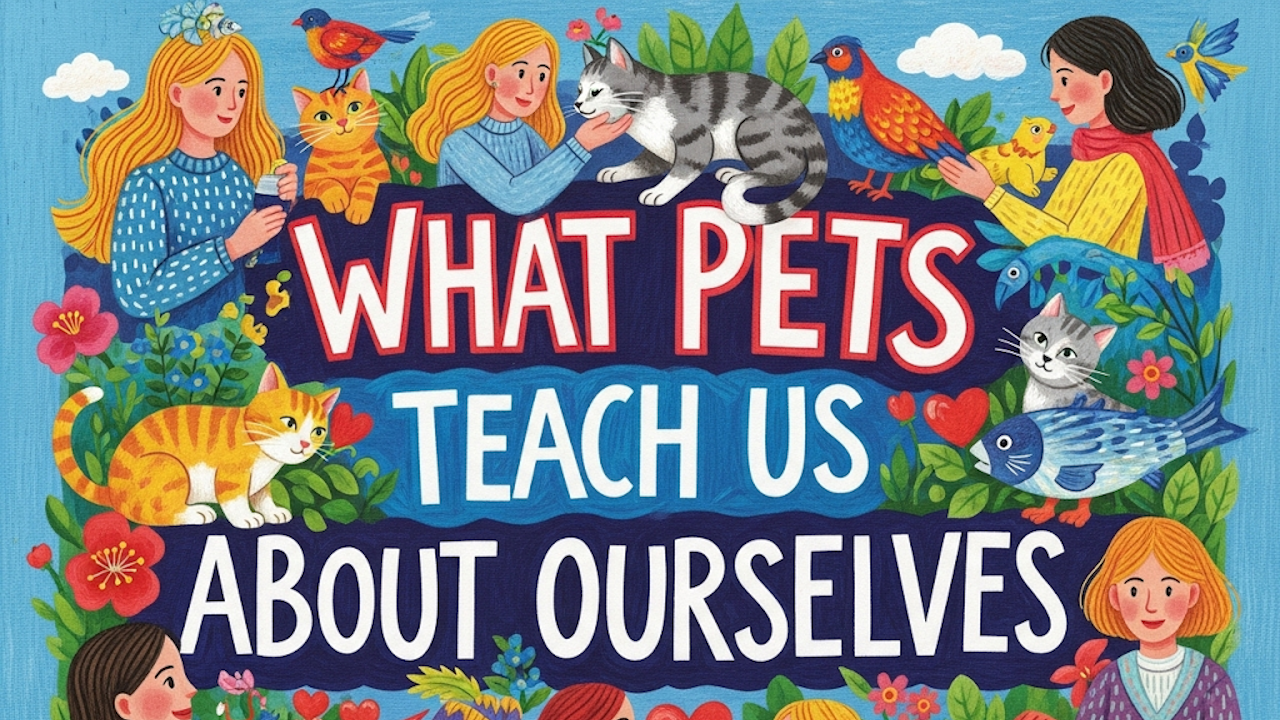
For thousands of years, humans have shared their lives with animals. Dogs guarded our camps, cats kept rodents from our grain stores, and birds or fish offered quiet company in homes around the world. Today, pets fill modern households in record numbers. Yet beyond the practical roles they once played, pets now serve as something deeper: living mirrors that reflect our own humanity back to us. Through daily interactions with a wagging tail or a purring lap, we learn lessons about patience, love, vulnerability, and growth that no self-help book or lecture could deliver as powerfully. Pets do not preach or judge. They simply exist alongside us, revealing truths we often overlook in the rush of human life. This article explores the profound ways pets illuminate our inner worlds, drawing from the everyday experiences of millions of owners who discover themselves anew through their animal companions.
The first and perhaps most immediate lesson pets offer is the value of responsibility and routine. When a puppy enters a home, it demands feeding at set times, walks regardless of weather, and training that requires consistency. A new cat owner quickly learns that litter boxes cannot wait and that scratching posts must replace furniture. These chores feel burdensome at first, especially for those accustomed to flexible schedules. Yet over weeks and months, the act of caring for another creature reshapes priorities. Owners wake earlier, plan their days around feeding schedules, and build habits that extend far beyond the pet. A person who once skipped breakfast now prepares meals for both themselves and their dog, realizing that self-discipline flows naturally from the need to nurture. This mirrors a deeper human truth: we thrive when we commit to something outside ourselves. Pets expose our tendency to make excuses. If a walk is missed because of rain, the dog still waits expectantly at the door, teaching that accountability cannot be negotiated away. In this way, pets become gentle but firm instructors in adulting, showing us that true freedom comes not from avoiding duties but from embracing them with purpose.
Patience emerges as another core revelation. Humans are wired for instant results. We expect quick replies to messages, same-day deliveries, and rapid career progress. Pets operate on an entirely different timeline. Training a dog to sit reliably may take months of repetition. A shy rescue cat might hide under the bed for weeks before venturing out for affection. During these periods, owners confront their own impatience head-on. Frustration bubbles up when commands are ignored or when a bird refuses to mimic speech after days of practice. Yet the pet remains unchanged, offering the same trusting eyes each morning. This forces a recalibration. Owners learn to celebrate small victories: the first voluntary lap sit, the successful recall during a walk, or the hesitant chirp from a finch. These moments reveal how often we abandon efforts in our personal lives when progress stalls. Pets demonstrate that growth requires steady presence rather than force. A goldfish owner watching the same slow circles in a tank day after day might suddenly recognize parallels in their stalled fitness goals or strained relationships. Patience, pets show us, is not passive waiting but active acceptance of natural rhythms.
Unconditional love stands out as perhaps the most transformative gift pets provide. Human relationships frequently come with strings attached: expectations of reciprocity, judgments based on status, or conditions tied to behavior. Pets strip all that away. A dog greets its owner with ecstatic joy after a ten-minute absence, regardless of whether the day brought a promotion or a layoff. A cat curls into a lap during a crying spell without asking for explanations or offering advice. This pure acceptance teaches us what love can look like when ego is removed. Many owners report feeling seen for the first time in years. In the quiet company of a pet, defenses drop. We speak aloud worries we hide from colleagues or even family. The pet listens without interruption, without agenda. Through this, we discover our own capacity for giving love freely. Owners who once withheld affection out of fear of rejection find themselves scratching ears or offering treats without expecting thanks. The lesson sinks deep: we are worthy of love simply because we exist. Pets reflect back our inherent value, challenging the self-criticism that plagues so many of us in a world obsessed with achievement and appearance.
Empathy grows stronger through the necessity of reading subtle signals. Unlike humans, pets rarely use words. A dog’s tucked tail, flattened ears, or soft whine communicates discomfort long before any obvious distress appears. A cat’s slow blink or the way it positions its body reveals trust levels that language could never capture as honestly. Owners must tune in, observing body language, vocal tones, and daily habits to understand needs. This practice translates directly to human interactions. People who learn to notice when their rabbit thumps in warning become more attuned to a friend’s crossed arms or a child’s averted gaze. Pets train us to listen with our eyes and hearts rather than waiting for spoken cues. In doing so, they expose how often we project our own assumptions onto others. A once-impatient owner might realize they had been misreading their partner’s silence as anger when it was actually fatigue, just as they once misread a puppy’s zoomies as defiance rather than joy. This heightened sensitivity fosters deeper connections. Empathy, pets demonstrate, is a skill built through quiet observation rather than grand gestures.
Living in the present moment emerges naturally from watching pets navigate life. Dogs chase balls with total focus, unconcerned about tomorrow’s vet appointment. Cats bask in sunbeams without replaying yesterday’s argument. Even a hamster running on its wheel does so with complete immersion in the now. Humans, by contrast, spend vast mental energy regretting the past or fearing the future. Pets interrupt this cycle simply by existing. When a walk turns into an unexpected game of fetch in the park, the owner’s to-do list fades. During evening cuddles, deadlines lose their grip. These pockets of presence accumulate, rewiring neural pathways toward mindfulness. Owners often describe feeling more grounded after adopting a pet, as if the animal’s calm acceptance of each moment rubs off. A fish tank owner staring at graceful movements might suddenly notice their own breathing slowing, realizing how rarely they had paused to simply be. Pets remind us that happiness resides in small, repeated rituals rather than distant milestones. The lesson is humbling: we chase futures we may never reach while the present offers joy we consistently ignore.
Loyalty and trust provide another mirror to our relational selves. Pets form bonds that endure through moves, job changes, and personal upheavals. A senior dog follows its aging owner from room to room despite stiff joints. A parrot calls out a familiar name after years apart. These displays of fidelity highlight how fragile human trust can become. We test loyalties with conditions and withdraw when hurt. Pets rarely do. They forgive missed walks or delayed feedings with the same enthusiasm the next day. This steadfastness invites owners to examine their own reliability. Do we show up for friends with the same consistency our dog shows for us? The question lingers after a late-night potty break or an early morning feeding. Over time, many owners consciously strengthen their human relationships, inspired by the unwavering example at home. Trust, pets teach, is built in mundane moments rather than dramatic declarations. It is the quiet choice to remain present even when inconvenient.
Forgiveness flows easily from pets, exposing our human grudges. A cat swatted for knocking over a plant will still seek lap time hours later. A dog scolded for chewing a shoe will wag its tail upon the owner’s return from work. These quick resets reveal how tightly we cling to slights. Pets model a lighter emotional load. They do not rehearse offenses or demand apologies. Instead, they reset to affection as their default state. Owners witnessing this pattern often catch themselves replaying arguments with spouses or coworkers long after the moment has passed. The pet’s example prompts release. One rabbit owner described letting go of a decade-old family rift after watching her bunny hop happily toward the hand that once accidentally startled it. Forgiveness, pets illustrate, is not weakness but a return to connection. It frees energy for joy rather than resentment.
The health and self-care lessons pets impart are both physical and emotional. Regular walks with a dog increase cardiovascular fitness and vitamin D exposure. Playing with a laser pointer or feather toy lowers cortisol levels through laughter. Even watching a cat groom itself encourages owners to maintain their own hygiene routines on tough days. Studies consistently link pet ownership to reduced blood pressure, lower depression rates, and stronger immune responses, yet the deeper teaching lies in reflection. Caring for a pet’s health forces owners to confront their own habits. When a veterinarian recommends weight loss for an overweight dog, the owner often joins the effort, realizing shared lifestyles shaped the problem. A bird owner monitoring diet and enrichment might suddenly audit their own screen time and social isolation. Pets become accountability partners without uttering a word. They thrive when we thrive, creating a feedback loop that benefits both. Self-care stops feeling selfish and starts feeling relational, a shared investment in well-being.
Grief, too, finds expression through pets, teaching us about mortality and resilience. The death of a beloved animal often marks a first deep encounter with loss for younger owners. The empty food bowl, the silent spot on the couch, the missing morning ritual: these absences carve space for mourning. Yet pets also model acceptance of life’s cycles. They age visibly, slowing down without complaint, and depart with dignity when the time comes. Owners who sit through final veterinary visits report profound shifts in perspective. They learn that love does not end with physical presence. Memorials, photo albums, and stories keep the bond alive, just as human legacies endure. This preparation softens future human losses. A dog owner who buried a thirteen-year companion later supported a parent through illness with greater composure, having practiced the art of cherishing time while it lasts. Pets show us that grief honors connection rather than negating it. They teach us to say goodbye without regret by living fully while together.
In the end, pets reveal our capacity for wonder and growth. They strip away pretensions, demanding authenticity in return for their companionship. A person who once valued status symbols finds deeper satisfaction in a muddy paw print on their designer jeans. Someone who feared vulnerability discovers safety in a purring chest. Across species and lifestyles, the common thread remains: pets hold up a mirror to our best and sometimes messiest selves. They expose impatience we did not know we harbored, generosity we forgot we possessed, and resilience we underestimated. In caring for them, we practice the very virtues that make human life meaningful: presence, empathy, loyalty, and love without conditions. The relationship is reciprocal in the truest sense. We provide food, shelter, and safety; they offer perspective, healing, and reminders of what matters.
As more people navigate increasingly digital and isolated lives, pets stand as anchors to something primal and real. They do not replace human connection but enhance it by refining the skills we bring to those relationships. The next time a dog waits patiently by the door or a cat chooses your lap over a sunny windowsill, pause and consider the lesson unfolding. In that ordinary moment lives an extraordinary teacher, one that asks nothing except to be allowed to show you who you truly are and who you might yet become. Pets do not merely share our homes. They illuminate our hearts, one wagging tail, one contented purr at a time.