

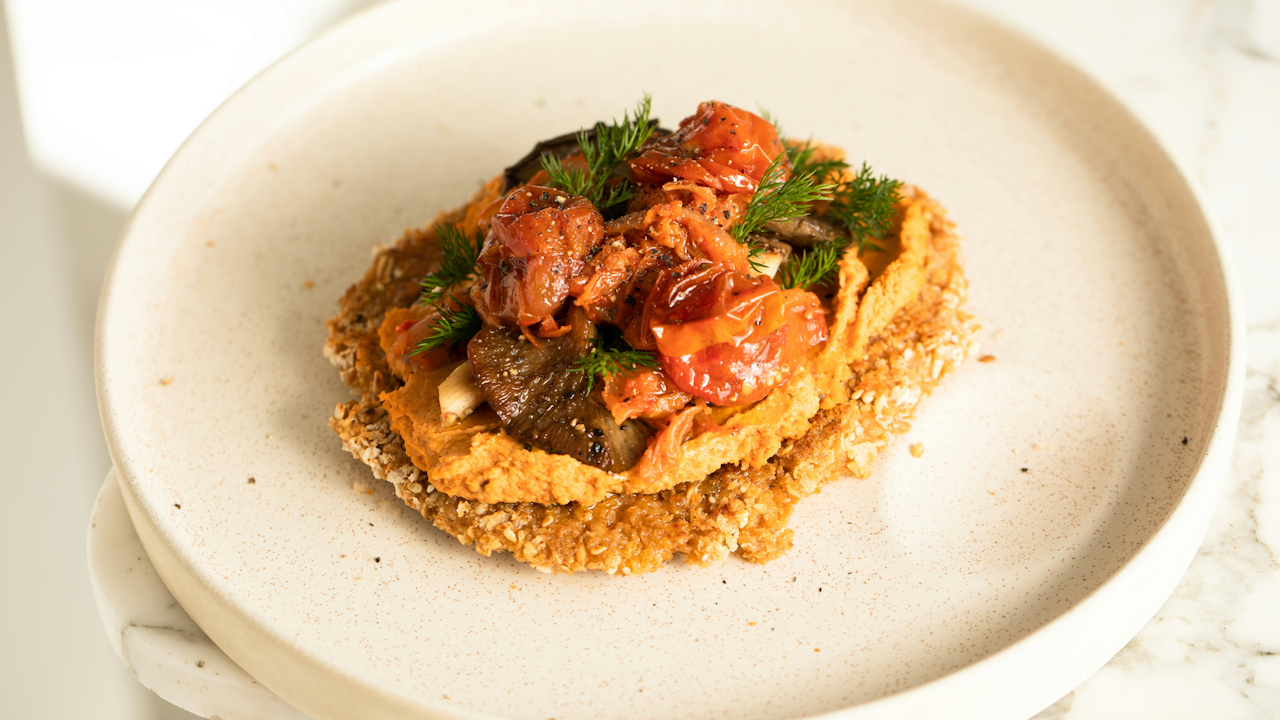
In the age of endless scrolling on platforms like TikTok and Instagram, a single dish can transform from an everyday meal into a global phenomenon overnight. One moment it is a quiet recipe shared among friends, and the next it sparks millions of recreations, restaurant lines, and ingredient shortages. Baked feta pasta, dalgona coffee, and lasagne soup are just a few examples that have captured collective attention. But what exactly propels a food dish into viral stardom? It is rarely luck alone. Instead, a combination of visual magnetism, psychological triggers, practical appeal, and algorithmic savvy creates the perfect storm. This article explores the core ingredients that make a dish go viral, drawing on patterns from past and present trends to reveal why certain foods resonate so deeply in our hyper-connected world.
Visual appeal stands as the undisputed foundation of virality. Food content thrives because it is inherently shareable in a format that demands attention within the first few seconds of a video or image. Creators rely on techniques such as overhead shots of hands assembling ingredients, close-ups of textures stretching or melting, and satisfying transformations from raw to finished. These elements trigger an immediate dopamine response in viewers. Research into consumer psychology shows that novelty paired with striking visuals drives shares, as people are wired to notice and propagate anything that feels fresh yet crave-worthy. A dish like the viral baked feta pasta succeeded not just because it tasted good but because the video showcased tomatoes bursting in the oven and feta turning creamy under heat, creating an irresistible before-and-after spectacle. Similarly, trends involving oozing cheese pulls or glossy sauces dominate feeds because they exploit our visual hunger. Without this eye-catching quality, even the most delicious recipe rarely breaks through the noise.
Closely tied to visuals is the element of novelty balanced with familiarity. The most successful viral dishes offer a twist on something recognizable rather than inventing entirely new concepts from scratch. This sweet spot allows viewers to feel excited by innovation while reassured by accessibility. For instance, high-protein comfort bowls trending in 2026 remix classic cozy meals with added protein sources like grilled chicken or quinoa, appealing to health-conscious eaters without requiring exotic ingredients. Novelty sparks curiosity, a powerful psychological driver that motivates people to try, recreate, and share. Studies on social media behavior confirm that consumers share content evoking positive emotions such as joy or surprise, and a clever hack on everyday pantry staples delivers exactly that. Think of cucumber salads or smashed potatoes that elevate humble vegetables into craveable sides. These dishes go viral because they feel innovative yet doable, encouraging participation rather than intimidation. In contrast, overly complex or obscure recipes rarely sustain momentum beyond niche circles.
Simplicity and cookability further amplify a dish’s viral potential. Recipes that require minimal equipment, common ingredients, and short preparation times invite the widest audience to participate. During lockdowns, no-knead bread and one-pot pastas exploded because they promised results with basic tools and pantry items. This accessibility lowers barriers and turns viewers into creators, fueling a cycle of user-generated content that algorithms love. Alison Roman’s shallot pasta, for example, gained traction partly because it emphasized ease and everyday execution regardless of kitchen size or skill level. In 2026 trends, one-pot creamy French onion casseroles and rice paper dumplings continue this pattern by delivering big flavor through straightforward methods. When a dish is easy to replicate, it generates thousands of variations, each tagged with the original creator and spreading the trend organically. Usability becomes a silent marketing tool, as satisfied home cooks post their successes and inspire others.
Emotional and psychological factors play an equally critical role. Food is not merely fuel but a vessel for connection, nostalgia, and comfort. Viral dishes often tap into these deeper needs, evoking happiness or a sense of belonging. Positive emotions drive shares, as people are more likely to post content that makes them feel good. Nostalgia-infused twists, such as elevated versions of childhood favorites or global street foods brought into home kitchens, resonate strongly. Fermented everything and gut-health-focused recipes in recent years blend wellness with tradition, satisfying both health trends and emotional cravings for familiar flavors. Social proof amplifies this effect: when influencers or peers showcase a dish, viewers experience FOMO, or fear of missing out, prompting them to join the movement. Photographing and sharing food also acts as a modern ritual that enhances enjoyment, much like pausing to appreciate a meal. This psychological loop turns passive scrolling into active engagement, as users save recipes, comment on variations, and debate merits in comment sections.
The mechanics of social media platforms themselves act as powerful accelerators. Algorithms on TikTok and Instagram prioritize content with high engagement rates, including watches, saves, shares, and comments. Dishes that prompt debates, such as sweet versus savory pairings or debates over optimal cheese ratios, perform exceptionally well because they spark interaction. Hooks in the opening seconds, clear calls to action like “try this at home,” and personality-driven storytelling keep viewers hooked. Food videos often follow a reliable formula: quick process shots building anticipation toward a mouth-watering reveal. This structure aligns perfectly with short-form video preferences, where 85 percent of users watch without sound, making visuals and text overlays essential. Platforms reward consistency and community-building, so creators who foster participation through challenges or duets see exponential growth. Global influences spread rapidly too, as seen with Korean-inspired dishes or Middle Eastern fusions that introduce bold flavors to new audiences.
Timing, cultural context, and influencer involvement often determine whether a dish achieves lasting virality or fades quickly. Trends frequently align with broader events, such as pop culture releases, seasons, or economic shifts. The dalgona coffee boom during the early pandemic years capitalized on homebound boredom and a desire for simple pleasures, while 2026 trends lean into high-protein bowls and fiber-maxxing amid ongoing wellness conversations. Influencers and celebrities provide the initial spark, lending credibility and reach. A single post from a trusted creator can ignite millions of views, as social proof convinces followers that the dish is worth their time. Pop culture tie-ins, like movie-inspired snacks or seasonal ingredients, add another layer. Yet virality is not guaranteed by fame alone; it requires the dish to deliver on taste and shareability once tried.
Examining specific case studies illustrates these principles in action. Baked feta pasta, which surged in 2021, combined visual drama with pantry staples and one-pan ease, leading to widespread recreations and even grocery shortages for feta. Its success stemmed from relatability during uncertain times and the emotional satisfaction of a creamy, tomato-rich pasta. Dalgona coffee followed a similar path: a visually hypnotic whipped foam atop iced coffee that required just three ingredients and minimal effort. More recent examples include dumpling lasagna and cheese-stuffed sweet potatoes in early 2026, which blend comfort with novelty in simple assemblies. These dishes encourage user experimentation, generating endless content loops. Even older hits like Japanese souffle pancakes endure because they master texture and presentation, turning breakfast into spectacle. Each example underscores that virality emerges when multiple factors converge rather than any single trait.
Of course, not every viral dish sustains long-term impact, and some trends reveal potential downsides. Short-lived fads can lead to waste or unrealistic expectations if they prioritize aesthetics over substance. However, many viral recipes evolve into staples, enriching home cooking culture by democratizing techniques once reserved for professionals. Chefs and restaurants capitalize on this by creating limited-time offerings or menu items inspired by trends, turning online buzz into real-world revenue. For aspiring creators, the lessons are clear: focus on strong hooks, authentic storytelling, and dishes that invite interaction. Consistency in posting, genuine personality, and responsiveness to audience feedback further boost chances of success.
Ultimately, what makes a food dish go viral is its ability to transcend the plate and forge connections in a digital landscape hungry for joy, simplicity, and shared experiences. In a world saturated with content, the dishes that endure combine beauty with practicality, emotion with accessibility, and novelty with nostalgia. As social media evolves and new platforms emerge, these core elements remain constant. The next viral sensation could be simmering in your kitchen right now, waiting for the right video to set it free. Whether it is a high-protein comfort bowl or a fermented twist on a classic, the recipe for virality lies in understanding not just how food tastes but how it makes us feel and share. In the end, the most successful dishes do more than feed the body; they nourish our collective appetite for discovery and community.