

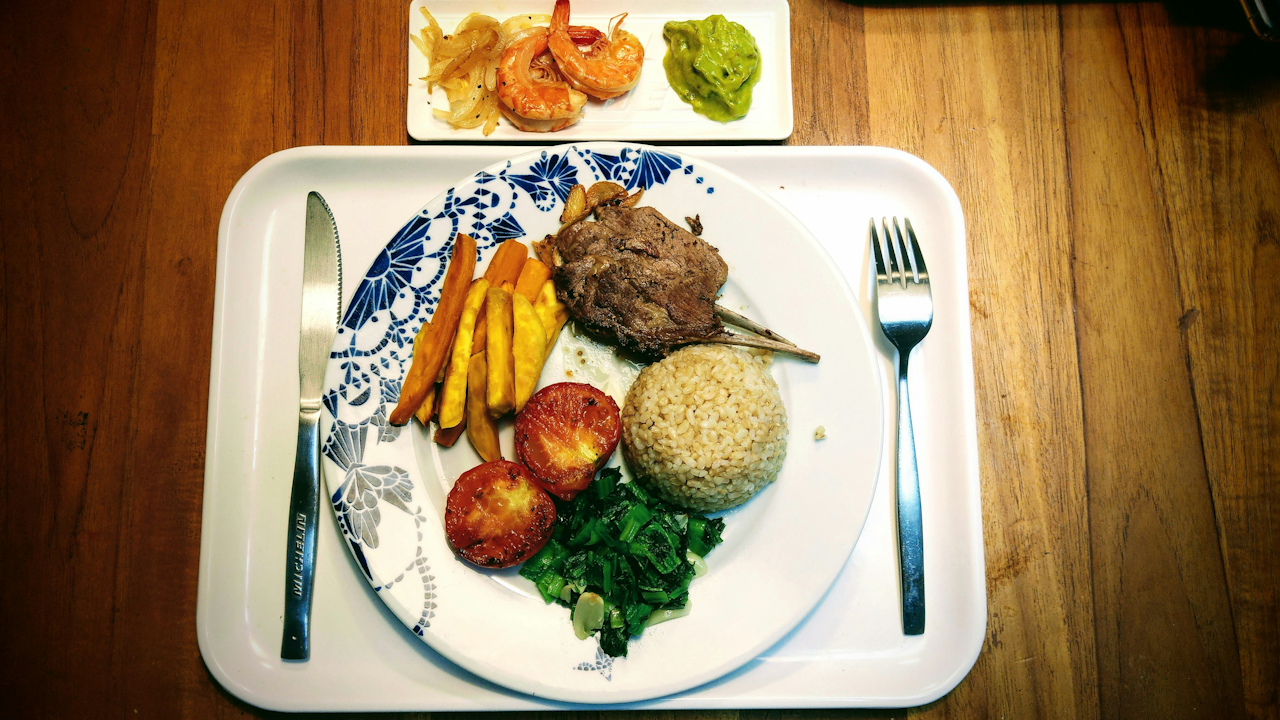
Eating on autopilot is common for many people. Breakfast often consists of whatever is quickest in the fridge, lunch becomes a simple sandwich grabbed during a busy day, and dinner frequently turns to takeout chosen by the first app notification. Nutrition receives little attention, variety stays limited, and the result is often a feeling of sluggishness or dissatisfaction without a clear reason. An experiment that hands complete control of all meals to artificial intelligence for seven consecutive days offers both a challenge and a potential solution. Decision fatigue disappears. Debates over pasta versus salad end. Every bite comes from an AI system that analyzes a basic personal profile, calculates nutritional requirements, and generates precise recommendations including recipes, shopping lists, and preparation guidance.
The setup begins with a conversational AI model designed for detailed dietary planning. Information provided includes age, weight, activity level, and specific preferences such as avoiding overly spicy food, favoring balanced macronutrients with an emphasis on whole foods, and targeting approximately 2,200 calories per day for weight maintenance. A moderate budget and access to a standard grocery store are also noted. The AI responds with a complete seven-day plan divided into breakfast, lunch, dinner, and two snacks each day. Each choice includes clear reasoning, such as protein for muscle repair, fiber for digestion, and key micronutrients for sustained focus. The plan incorporates variety to avoid boredom, seasonal ingredients where practical, and straightforward instructions suitable for beginners. A single comprehensive shopping trip at the start covers everything, with the AI organizing the list by store aisles for efficiency.
The first morning features a Greek yogurt parfait layered with fresh berries, chia seeds, a sprinkle of almonds, and a touch of honey. This combination supplies probiotics for gut health, antioxidants from the berries, and healthy fats to promote fullness until lunch. Preparation requires less than five minutes. The result is a bright and creamy dish that surpasses typical cereal options. Energy feels light yet sustained, and the usual mid-morning coffee refill becomes less necessary. Lunch consists of a grilled chicken quinoa bowl with roasted vegetables, avocado slices, and a lemon-tahini dressing. Portions are calibrated to reach around 600 calories while delivering complete amino acids. Chicken and quinoa cook together in one pan for simplicity. The meal tastes flavorful without heaviness and leaves a sense of steady energy rather than bloating.
Dinner on the first day includes baked salmon accompanied by asparagus and sweet potato wedges seasoned with herbs. The selection emphasizes omega-3 fatty acids from the fish for brain function and vitamin A from the sweet potatoes for immune support. The salmon flakes easily after about 15 minutes in the oven, and the plate presents like a professional dish. Eating occurs slowly, with attention given to individual components instead of distractions. By bedtime, mental clarity improves noticeably, as though the body has received an optimal fuel mix. An evening snack of apple slices with almond butter prevents late-night hunger while remaining simple.
On the second day the AI makes minor adjustments after receiving feedback on energy levels from the previous day. Breakfast shifts to overnight oats prepared with rolled oats, milk, banana, cinnamon, and a tablespoon of peanut butter. The mixture soaks overnight, keeping morning routines effortless. Creamy texture and natural sweetness maintain interest. Lunch becomes lentil soup with spinach and carrots, served alongside whole-grain bread. The choice highlights plant-based protein and iron content to address occasional afternoon fatigue. The soup simmers during work hours and creates a comforting aroma. Dinner features stir-fried tofu and broccoli over brown rice with a light ginger-soy glaze. Plant-forward options add dietary diversity even for non-vegetarians. Tofu, when pressed and cubed according to instructions, absorbs flavors well and delivers a surprisingly enjoyable meal that feels light yet satisfying.
Snacks vary thoughtfully: mixed nuts on one occasion, carrot sticks with hummus on another. The recommendations address both sweet and savory cravings without relying on excess sugar or salt. Daily food preparation time decreases significantly because recipes are streamlined and components often overlap between meals. Grocery waste nearly disappears due to the precise shopping list. Hydration improves naturally as the plan suggests pairing meals with water or lemon-infused herbal tea.
Midweek demonstrates the AI’s creativity. Breakfast on day three is a vegetable omelet filled with bell peppers, spinach, tomatoes, and feta cheese, paired with whole-grain toast. Eggs provide choline to support cognitive demands during busy work hours. The dish achieves restaurant quality and finishes quickly. Lunch shifts to a turkey and avocado wrap using large lettuce leaves in place of bread to maintain lower carbohydrates while preserving substance and fiber balance. Dinner stands out with pan-seared shrimp tacos featuring cabbage slaw, mango salsa, and corn tortillas. Tropical elements brighten the week, with vitamin C from mango aiding iron absorption from the shrimp. The flavor combination proves unexpectedly harmonious and creates a meal worth savoring.
By day four noticeable physical shifts appear. Energy remains consistent through the afternoon instead of dropping around 3 p.m. Digestion smooths out, and sleep deepens. Anti-inflammatory ingredients such as turmeric in golden milk and ginger in dressings contribute to these effects. Lunch includes a chickpea salad with cucumbers, red onion, parsley, and tahini-lemon dressing. Dinner presents grass-fed beef stir-fry with zucchini and snap peas over cauliflower rice. The lower-carb base supports blood sugar stability. Cauliflower rice, when properly seasoned, adds bulk without excess heaviness.
Day five introduces a real-world test when a long meeting extends into the evening and fatigue sets in. The planned meal of baked chicken breast with quinoa pilaf and steamed green beans comes together in under 30 minutes despite the temptation to order takeout. The combination of protein and complex carbohydrates restores balance quickly. A late snack of dark chocolate squares paired with walnuts satisfies a mild craving while supplying magnesium for relaxation. The day ends with a sense of accomplishment instead of regret over convenience choices.
Day six brings international influences. Breakfast is a smoothie bowl blending spinach, frozen banana, protein powder, and almond milk, then topped with kiwi and pumpkin seeds. The design offers a nutrient-dense yet quick option suitable for weekend mornings. Lunch features a Mediterranean farro salad with cherry tomatoes, olives, cucumber, and grilled halloumi cheese. Textures from chewy farro and salty cheese create engaging layers. Dinner consists of herb-crusted cod with roasted Brussels sprouts and wild rice. Cod supplies lean protein with a low mercury profile, and the Brussels sprouts caramelize nicely in the oven. Different cooking techniques keep the experience fresh.
The seventh day serves as a satisfying conclusion. Breakfast includes whole-grain pancakes topped with Greek yogurt and mixed berries, saved for the final morning to provide closure. Lunch is hearty vegetable minestrone soup with a side of garlic bread from whole-wheat baguette. Dinner features a Thai-inspired coconut curry with chickpeas, sweet potatoes, and spinach over jasmine rice. Spices remain aromatic but mild to match preferences. The final snack of cottage cheese with pineapple chunks rounds out the week.
Across the full seven days several clear patterns emerge. Nutritional balance stays strong, with consistent achievement of targets for protein, fiber, healthy fats, and essential micronutrients. Meals avoid any clinical or repetitive feel. Loose tracking shows daily calories stay within five percent of the target. Preparation time drops from roughly two hours of decision-making and cooking to under 45 minutes per day. Taste preferences adapt rapidly to fresher and more varied flavors. New ingredients such as farro, tahini, and halloumi enter regular consideration for future use.
Certain challenges surface as well. Some ingredients cost slightly more than everyday staples, although the overall grocery total rises only about 15 percent due to the complete elimination of waste. Portions occasionally feel generous or modest, yet the AI responds effectively to feedback. Cravings for classic comfort foods like fries or ice cream arise around the middle of the week, but satisfying meals usually reduce their intensity. Social situations may require explaining the experiment, which can lead to declining spontaneous outings.
Energy levels hold steady and high throughout the period. Workouts gain focus, concentration sharpens, and mornings arrive without typical grogginess. Mood remains more stable because balanced meals prevent blood sugar swings that previously caused irritability. Sleep quality improves, likely from magnesium-rich foods and the absence of heavy processed items in the evening.
From a financial perspective the approach proves more economical than anticipated when reduced spending on takeout and coffee is considered. Convenience stands out as another advantage. Instructions adapt to common kitchen tools, keeping every step approachable. Ingredient substitutions are suggested when items are unavailable.
Repeating the full seven-day 100 percent AI-guided approach holds appeal, though integrating it at a less intensive level may suit long-term routines better. The primary benefit appears in the mental space freed from constant food decisions. Attention shifts to other areas of life instead of meal planning. The AI not only recommends dishes but also provides subtle education on nutritional synergies, turning the period into an informal learning experience.
This type of experiment illustrates the broader potential of artificial intelligence to make healthy eating more accessible. Individuals with demanding schedules, specific dietary needs, or limited cooking experience can benefit from the removal of guesswork while still enjoying meals. Human judgment remains valuable for monitoring personal responses and supplying updates when necessary. Artificial intelligence optimizes based on data, but individual intuition complements the process.
At the conclusion of the week, small improvements such as reduced water weight appear alongside a growing list of preferred recipes and a heightened awareness of food’s impact on daily functioning. The meals deliver consistent quality, nourishment, and engaging variety. Placing meals entirely under AI guidance for seven days does not represent a loss of control. Instead, it functions as an upgrade. Those considering a similar trial can begin modestly by sharing accurate lifestyle details, remaining receptive to unfamiliar flavors, and observing bodily responses rather than focusing solely on the food itself. The outcomes often exceed initial expectations.