

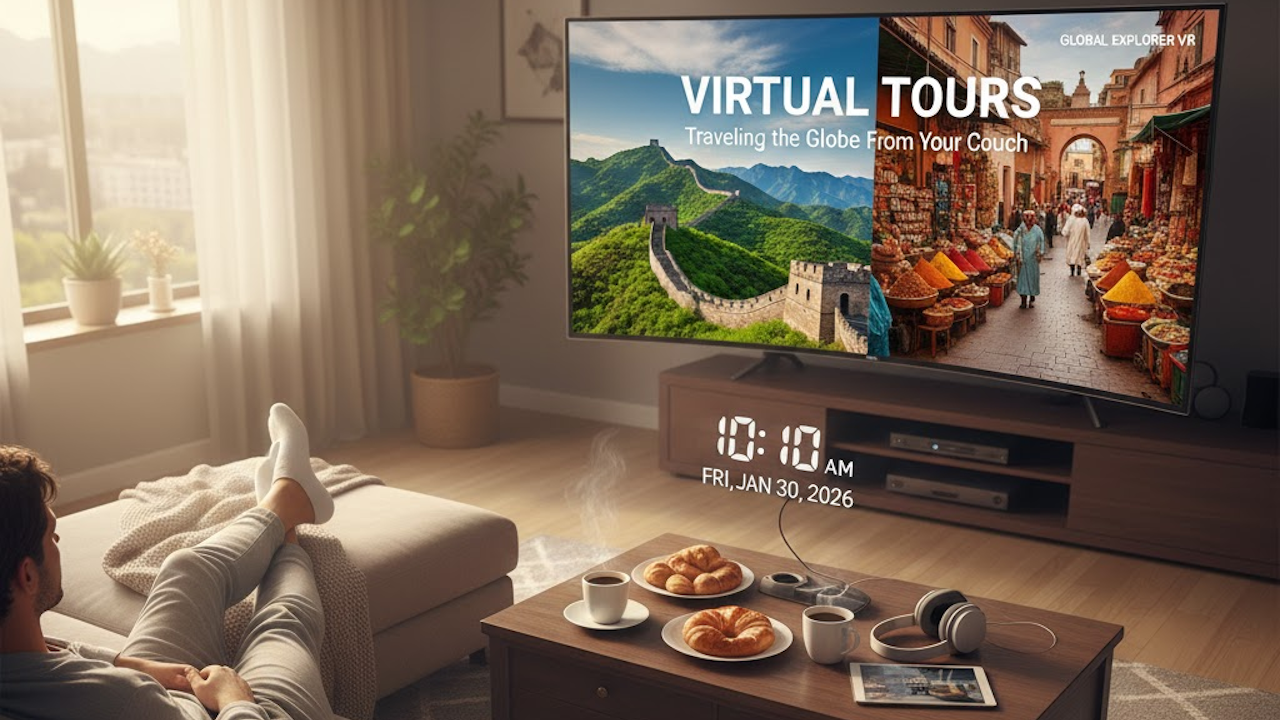
In an era where physical travel can feel out of reach due to time constraints, budgets, health considerations, or simply the desire for convenience, virtual tours have emerged as a powerful alternative. These digital experiences allow anyone with an internet connection to wander through ancient ruins, stroll along bustling city streets, gaze at world-famous artworks, or marvel at natural wonders, all without leaving home. As technology has advanced, especially with high-resolution 360-degree photography, interactive 3D models, and virtual reality integration, virtual travel has transformed from a novelty into a rich, engaging way to explore the planet.
The concept of virtual touring is not entirely new. Early versions appeared in the form of basic panoramic images and slideshows. However, the real breakthrough came with platforms that stitched together thousands of photographs into seamless, navigable environments. Today, users can “walk” through locations by clicking and dragging, zoom in on details, and often access narrated guides or informational overlays. Many experiences are free, browser-based, and work on desktops, tablets, or smartphones. For those seeking deeper immersion, some support VR headsets, turning a living room into a portal to distant lands.
One of the most accessible and comprehensive platforms remains Google Arts and Culture. This initiative partners with thousands of museums, galleries, historical sites, and cultural institutions worldwide. Users can explore famous artworks in ultra-high resolution, examine brushstrokes up close, or take guided virtual tours of entire exhibitions. Beyond art, the platform offers Street View-style explorations of landmarks and natural sites. For example, visitors can navigate the halls of major museums, circle iconic sculptures, or journey through historical neighborhoods. The site’s collection includes millions of digitized artifacts and exhibits, making it a go-to resource for cultural travelers who prefer to stay put.
Another standout option is Google Earth, which takes virtual exploration to a planetary scale. With its Voyager section, users access guided tours created by experts, storytellers, and organizations. These cover topics like climate change, wildlife migrations, historical events, and global cities. The platform’s 3D view lets people tilt and rotate the globe, then dive into street-level perspectives of places around the world. Whether flying over mountain ranges or gliding through urban canyons, the experience feels dynamic and exploratory. Many users combine it with VR mode for a more enveloping sense of presence.
For breathtaking aerial perspectives, AirPano stands out as a specialized project. This collection features high-quality 360-degree panoramas and videos captured from helicopters, drones, and other vantage points. The site covers hundreds of locations, from polar regions to tropical paradises. Popular tours include sweeping views of the Great Pyramids of Giza, the Antarctic landscape, the Great Wall of China, and vibrant cities like Barcelona or Manhattan. The aerial angle provides a unique sense of scale and beauty that ground-level tours cannot match. Many entries include ambient sound and smooth navigation, creating a meditative escape perfect for quiet evenings at home.
Museums have embraced virtual access particularly well, especially following periods when physical visits were limited. The Louvre in Paris offers online glimpses of its vast collections, including close-ups of the Mona Lisa and other masterpieces. The Vatican Museums provide 360-degree walkthroughs of the Sistine Chapel, Raphael’s Rooms, and other ornate spaces, allowing viewers to appreciate Michelangelo’s ceiling without crowds. The Metropolitan Museum of Art in New York features immersive projects that highlight its grand halls, Egyptian temples, and European paintings. The British Museum, Van Gogh Museum in Amsterdam, and others similarly open their doors digitally, often with audio guides or expert commentary to enrich the visit.
Natural wonders and national parks also feature prominently in virtual travel. Platforms like Google Arts and Culture include tours of places such as Hawaii Volcanoes National Park, Bryce Canyon, and Carlsbad Caverns. AirPano and similar sites showcase waterfalls, coral reefs, deserts, and ice formations. For instance, users can explore Iguazu Falls from multiple angles, observe wildlife in remote locations, or venture into rainforests. These experiences highlight the planet’s diversity and fragility, often with educational elements about conservation.
Iconic landmarks receive dedicated attention across multiple sources. The Taj Mahal, Machu Picchu, the Colosseum, Petra, Christ the Redeemer in Rio, and the Eiffel Tower all have high-quality virtual versions. Some come from dedicated sites like YouVisit or official tourism pages, while others appear on AirPano or Google. These tours let people examine architectural details, learn historical context, and imagine standing in those famous spots. The New Seven Wonders of the World, in particular, have inspired collections of interactive panoramas that cover each site comprehensively.
Beyond static tours, some platforms incorporate live or near-live elements. Webcams stream real-time views from cities, beaches, and natural areas, adding a sense of immediacy. Educational institutions and organizations sometimes host virtual events, such as guided live sessions or expert talks tied to specific locations.
The benefits of virtual travel extend far beyond convenience. It is inclusive, welcoming those with mobility challenges, families with young children, or individuals on tight schedules. It serves as an excellent preview for future physical trips, helping people plan itineraries and build excitement. Environmentally, it reduces the carbon footprint associated with long-haul flights. Many tours include rich storytelling, facts, and multimedia that deepen understanding in ways guidebooks or photos alone cannot.
Of course, virtual experiences have limitations. They lack the full sensory immersion of real travel: no salty sea breeze, no echoing footsteps in ancient halls, no spontaneous discoveries around a corner. The screen can feel like a barrier, and technical issues like slow loading or device compatibility occasionally disrupt the flow. Yet for millions, these tours spark curiosity, inspire dreams, and provide genuine wonder.
As we look ahead, virtual touring continues to evolve. Higher resolutions, better interactivity, augmented reality overlays, and more AI-guided narratives promise even richer experiences. What began as a workaround has become a legitimate form of exploration, proving that adventure awaits not just in far-off places but right on our screens.
So next time wanderlust strikes, skip the packing and open a browser instead. The world is vast, beautiful, and surprisingly accessible from the comfort of your couch. Whether you seek cultural depth, natural splendor, or urban energy, a virtual journey can transport you there in moments. The globe is waiting, one click away.