

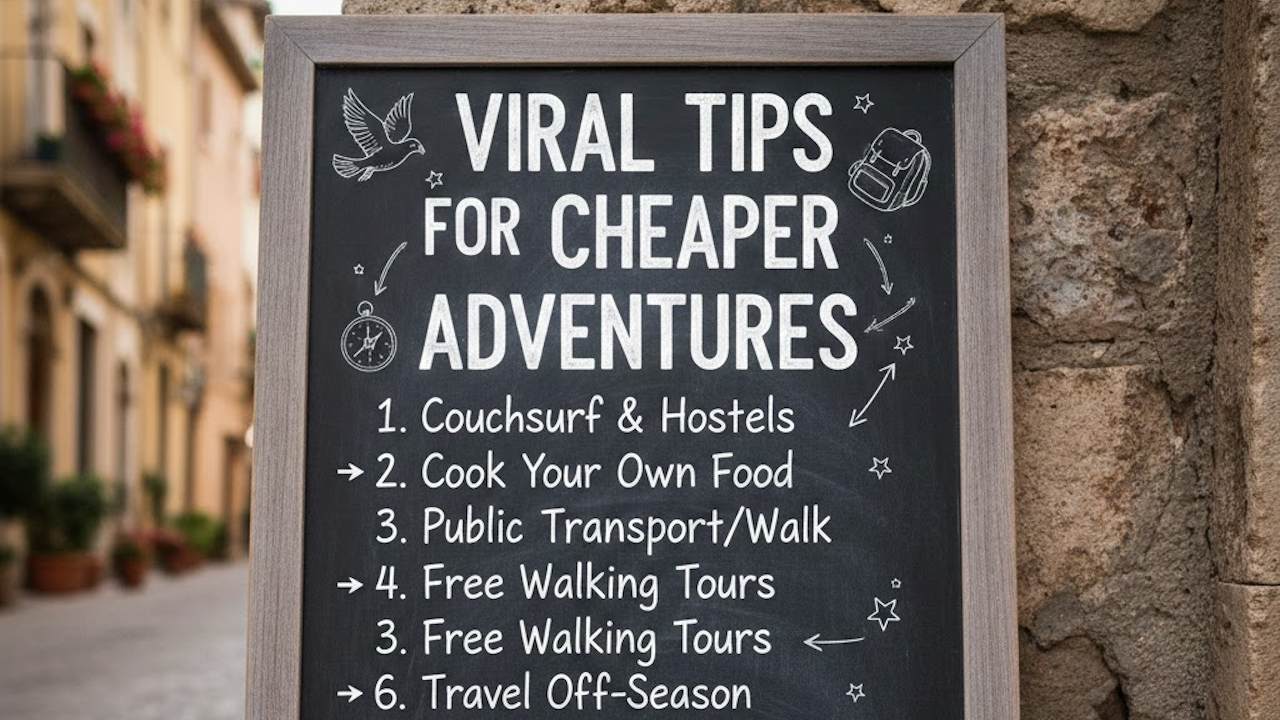
Adventures do not have to drain your bank account. The most memorable trips often come from smart choices rather than big spending. Whether you dream of hiking remote trails, exploring new cities, or chasing spontaneous road trips, these proven strategies help stretch every dollar further while keeping the excitement high. These tips have circulated widely because they deliver real results for everyday travelers who refuse to wait for perfect budgets.
Start by timing your trips around shoulder seasons. Peak summer and holiday periods inflate prices for flights, lodging, and activities. Traveling just before or after those rushes often cuts costs by 30 to 50 percent. Hotels drop rates, airlines fill empty seats with discounts, and popular spots feel less crowded. Check historical weather patterns for your destination so you still enjoy comfortable conditions without the premium price tag. Flexibility with dates remains one of the strongest tools for cheaper adventures.
Book transportation early and compare relentlessly. Budget airlines reward those who plan months ahead, especially on midweek flights. Use multiple comparison sites and set price alerts rather than relying on a single platform. Consider alternative airports a short train or bus ride away from major hubs. Sometimes flying into a secondary city and connecting by ground transport saves more than a direct route. Once on the ground, prioritize public transit, rideshares during off peak hours, or rental cars shared among a group. Walking and cycling not only cut costs but also reveal neighborhoods most tourists miss.
Choose lodging that doubles as an experience. Hostels, guesthouses, and home stays frequently cost a fraction of hotels while offering social connections that lead to free local tips. Apps for shared accommodations let you filter for private rooms if privacy matters. For longer trips, look into monthly rates or house sitting opportunities where you care for pets or plants in exchange for free housing. Camping or basic cabins work especially well for outdoor adventures. Many national parks and public lands offer affordable or free sites if you reserve early or arrive midweek. Packing a simple tent and sleeping setup turns nature into your bedroom at near zero cost.
Eat like a local instead of chasing tourist menus. Street food, markets, and small family run spots deliver authentic flavors at prices far below restaurant chains. Shop at grocery stores or markets and prepare simple meals when possible. Many destinations have free or low cost water refill stations, so carrying a reusable bottle eliminates bottled water expenses. Research local specialties in advance so you know which dishes offer the best value. Sharing meals with fellow travelers or locals often leads to unexpected invitations and deeper cultural exchanges that money cannot buy.
Focus on free and low cost activities. Most cities offer free walking tours, public parks, museums with free admission days, and scenic viewpoints that require no tickets. Hiking trails, beaches, and urban exploration cost nothing beyond transportation. Check official tourism sites and community boards for seasonal free events, outdoor concerts, or festivals. Skip overpriced guided tours when self guided options exist through free apps or printed maps. For adventure sports, look for group rates or off peak sessions that reduce fees significantly. Building your own itinerary around these opportunities creates a richer experience without the markup.
Leverage points, miles, and loyalty programs strategically. Sign up for free airline and hotel loyalty programs before any booking. Credit cards with travel rewards can turn everyday spending into free flights or nights if used responsibly and paid in full each month. Transfer partners between banks and airlines often unlock better value than redeeming through a single program. Stack promotions carefully, such as booking during double points periods or combining with seasonal sales. Tracking these systems takes a little organization but routinely yields free or heavily discounted travel components.
Travel slowly when possible. Jumping between distant destinations every few days multiplies transport costs. Spending a week or more in one region reduces flights and trains while allowing deeper exploration. Base yourself in a lower cost area and take day trips outward. This approach also lowers the mental fatigue of constant packing and transit, leaving more energy for genuine adventure. Slow travel pairs naturally with budget cooking, local markets, and free outdoor activities.
Pack light and smart. Checked baggage fees add up quickly, especially on budget carriers. A well chosen carry on bag with versatile clothing layers eliminates those charges. Choose multi use items and limit toiletries to travel sizes or solid alternatives that clear security easily. Research weather and activities carefully so you avoid packing unnecessary gear. Many destinations have affordable rental options for specialized equipment like bikes, camping stoves, or hiking poles, which beats hauling heavy items across continents.
Consider work exchanges and volunteering. Platforms connect travelers with hosts who offer free lodging and sometimes meals in return for a few hours of help each day. Tasks range from gardening and animal care to teaching English or assisting at eco lodges. These arrangements place you inside local communities and often unlock free or discounted adventure activities nearby. Short term work visas or digital nomad arrangements in certain countries further extend stays without rapid spending.
Use technology for real time savings. Flight and hotel alert apps notify you of sudden price drops. Maps and offline navigation tools prevent costly wrong turns or taxi overcharges. Currency conversion apps and local banking options with low foreign transaction fees protect against hidden charges. Community forums and recent traveler reviews frequently surface current free deals, seasonal discounts, or lesser known free attractions that guidebooks overlook.
Group travel multiplies savings. Sharing lodging, rental cars, and meal costs among friends or family reduces the per person price dramatically. Coordinating schedules takes effort, yet the financial and social rewards often outweigh the planning. Even pairing with one other traveler can open access to double rooms at single rates or split entrance fees for certain attractions.
Document and refine your approach. Keep a simple record of what worked and what did not on each trip. Over time patterns emerge that help you predict better deals. Share successful strategies with fellow travelers. Many of the most effective budget tips spread through word of mouth and online communities precisely because they deliver consistent results.
Cheaper adventures succeed through preparation, flexibility, and a willingness to trade convenience for discovery. The goal is not deprivation but intentional spending that prioritizes experiences over status. Flights, beds, and meals form the foundation. Once those costs drop, the remaining budget stretches further into genuine exploration. Apply these approaches consistently and the world opens at prices that once seemed impossible. The next adventure becomes not a distant dream but a practical next step.