

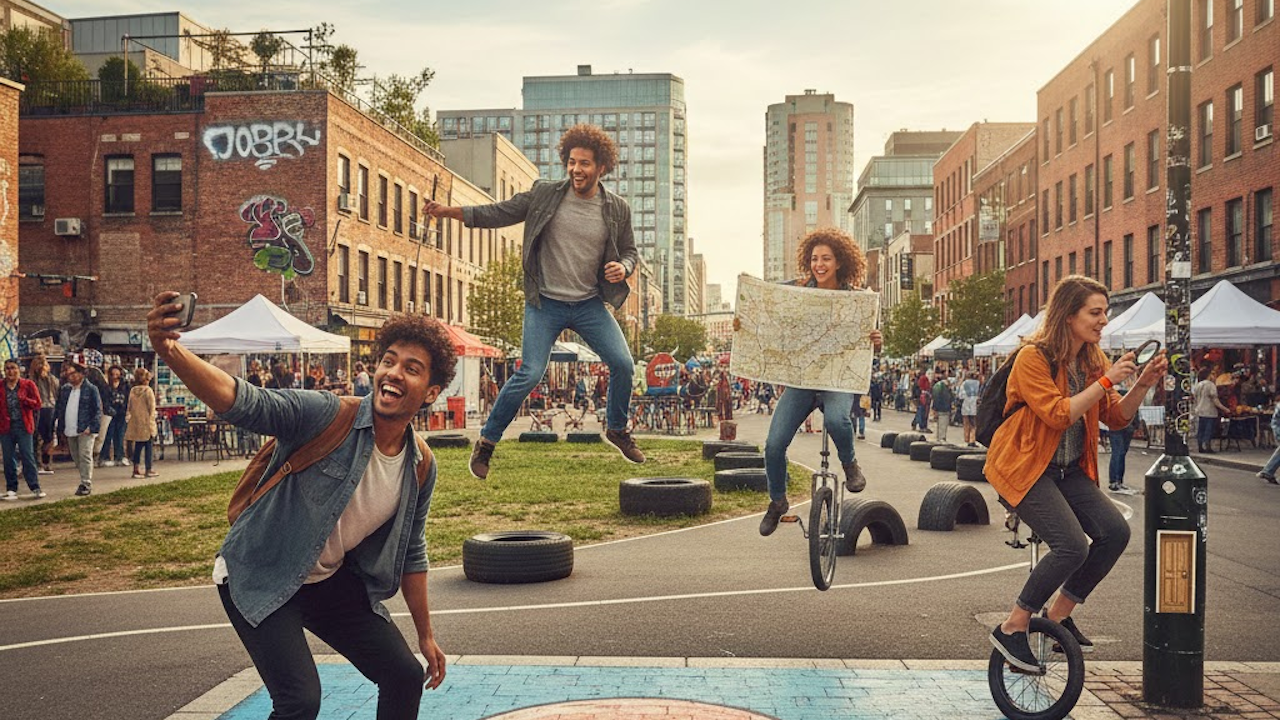
Urban adventures begin with a simple shift in mindset. Instead of seeing your city as a backdrop for routines, you start treating it like a place to explore. Streets become trails, neighborhoods become chapters, and ordinary weekends turn into chances for discovery. You do not need plane tickets or elaborate plans to feel the spark of adventure. Often, the most memorable experiences are hiding a few blocks from home.
Many people believe adventure requires distance. That belief can blind us to what is nearby. Cities are layered with history, culture, and small surprises built up over years. A familiar commute might pass a mural you have never stopped to admire. A park you walk through daily might host a weekend event you never noticed. Urban adventure is about slowing down enough to see what has always been there.
One of the easiest ways to start is by exploring on foot. Walking changes your relationship with the city. You notice architectural details, overhear snippets of conversation, and spot businesses that blur together when you drive past. Try picking a neighborhood you rarely visit and wandering without a strict plan. Let curiosity guide you. Turn down streets that look interesting. Step into a shop just because the window display catches your eye. This kind of aimless exploration often leads to unexpected highlights.
Food is another powerful gateway to urban adventure. Every city tells part of its story through what it eats. Seek out cuisines you have never tried, even if they come from a small storefront or food truck. Visit a local market and talk to vendors about their specialties. Food connects you to people and traditions, and it turns a simple meal into an experience worth remembering.
Urban nature also offers a surprising sense of escape. Many cities are threaded with green spaces that go unnoticed. Riverwalks, community gardens, rooftop parks, and old rail lines turned into trails provide room to breathe. Spending time in these spaces can make a city feel less crowded and more alive. Bring a book, a camera, or just your attention. Watching how people use these spaces reveals a softer side of urban life.
Art and culture thrive in cities, often outside formal venues. Street performances, public art, and pop up galleries invite interaction. You do not need to be an expert to enjoy them. Stand and watch a musician for a few minutes. Read the plaque next to a sculpture. Attend a free lecture or community play. These experiences add texture to your understanding of the place you live and the people who shape it.
Another approach to urban adventure is to follow themes. Spend a day visiting historical sites, even minor ones. Track down locations tied to a favorite author, musician, or local legend. Explore your city through a specific lens like architecture, bookstores, or coffee shops. Giving yourself a loose theme adds purpose without pressure and turns a casual outing into a story.
Urban adventures are also social. Inviting friends to explore with you can transform the experience. Each person notices different details and brings their own interests into the mix. Even better, exploring with someone new can reveal parts of the city you would never discover alone. Shared discovery builds connection, and shared memories often last longer than solo impressions.
Technology can support urban exploration when used lightly. Maps, event listings, and local blogs help you uncover places and activities you might miss otherwise. The key is not to let screens dominate the experience. Use them to get started, then look up and engage with what is around you. Cities reward attention.
Finding adventure in your own city also changes how you feel about home. Familiar places gain depth. Instead of feeling stuck, you feel rooted. Instead of boredom, you feel possibility. This shift can be especially meaningful during times when travel is limited or life feels repetitive. Adventure becomes a habit rather than a rare event.
Urban adventures do not need to be dramatic to be meaningful. A long conversation in a neighborhood cafe, a sunset viewed from an overlooked hill, or a spontaneous detour can be enough. What matters is intention. When you choose to explore with openness and curiosity, the city responds.
In the end, your city is not just where you live. It is a living environment filled with stories, flavors, and moments waiting to be noticed. By treating it as a place worthy of exploration, you find fun woven into daily life. Adventure stops being something you plan for someday and becomes something you practice right now, right where you are.