

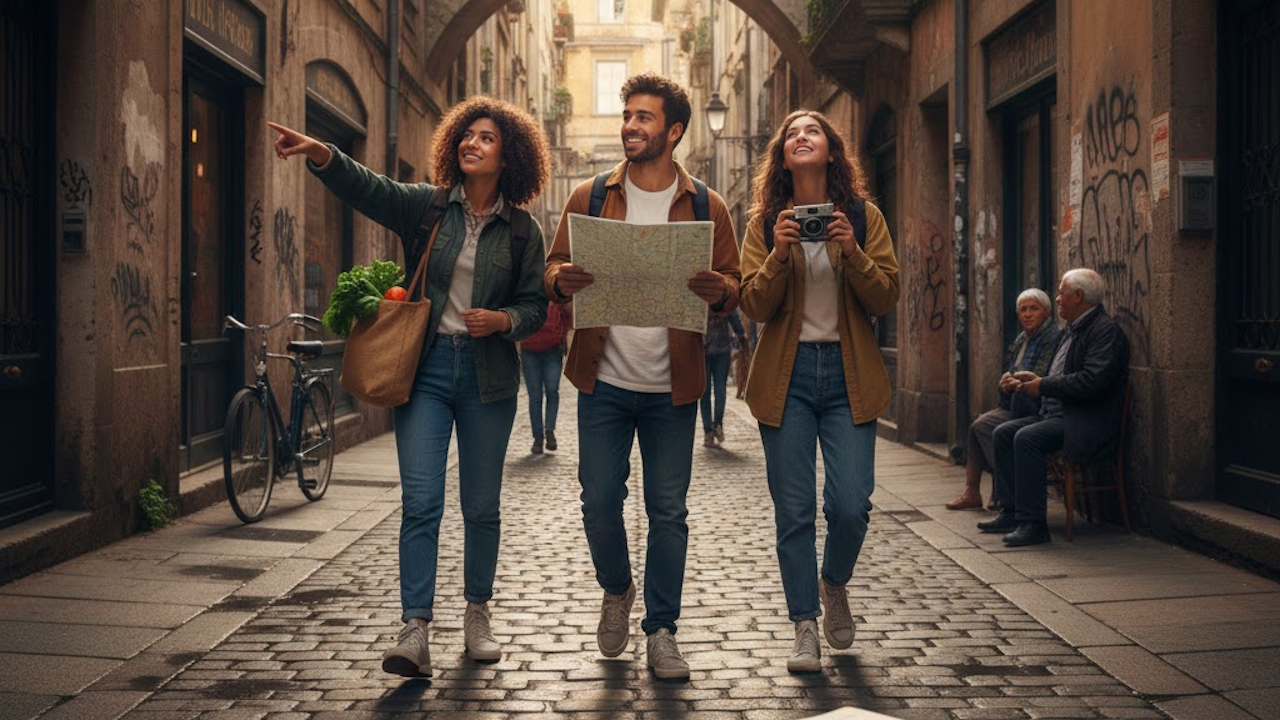
In an era where travel has become more accessible than ever, the allure of discovering cities through the eyes of a resident has captured the imagination of adventurers worldwide. Urban adventures, as opposed to traditional sightseeing, emphasize immersion in the everyday life of a city. This approach allows travelers to uncover hidden gems, forge genuine connections, and create memories that transcend the typical postcard experiences. Whether you’re wandering the bustling streets of Tokyo or the historic alleys of Rome, exploring like a local transforms a simple trip into a profound journey of cultural discovery.
The concept of traveling like a local isn’t new, but it has gained momentum with the rise of social media and sharing economies. Platforms like Airbnb and Couchsurfing have made it easier to stay in neighborhoods off the beaten path, while apps such as Meetup connect visitors with community events. This shift away from mass tourism promotes sustainable practices and supports local economies. By choosing to dine at family-run eateries instead of chain restaurants or to shop at artisan markets rather than souvenir shops, travelers contribute to the vitality of the places they visit.
The Art of Preparation: Researching Beyond the Guidebooks
Before setting foot in a new city, thorough preparation is key to unlocking authentic experiences. Start by delving into local blogs, forums, and social media groups. Websites like Reddit’s city-specific subreddits or local Facebook groups offer unfiltered insights from residents. For instance, in New York City, joining a subreddit like r/AskNYC can reveal underrated spots for everything from street food to underground music scenes.
Language learning apps can also bridge cultural gaps. Even basic phrases in the local tongue can open doors to conversations and recommendations that guidebooks overlook. Consider the value of virtual tours or podcasts hosted by locals; these resources provide context on neighborhoods, customs, and current events. Timing your visit to coincide with local festivals or markets, such as Barcelona’s La Mercè festival, ensures you experience the city’s pulse in real time.
Moreover, mapping out public transportation options is essential. In cities like London or Berlin, mastering the subway or bus system not only saves money but also immerses you in daily commutes alongside locals. Apps like Citymapper or Google Maps with transit modes help navigate efficiently, allowing more time for spontaneous discoveries.
Navigating Neighborhoods: Beyond Tourist Hotspots
One of the core principles of exploring like a local is venturing into residential areas where everyday life unfolds. In Paris, while the Eiffel Tower draws crowds, neighborhoods like Belleville or Montmartre offer street art, independent cafes, and parks frequented by Parisians. Strolling through these areas at a leisurely pace reveals the city’s soul: children playing in squares, elders chatting on benches, and artists sketching in hidden corners.
In contrast, Tokyo’s Shibuya Crossing is iconic, but locals often escape to quieter districts like Shimokitazawa for vintage shopping and live music venues. Here, the adventure lies in getting lost purposefully. Allow yourself to wander side streets, following the aroma of street vendors or the sound of laughter from a nearby bar. This serendipity leads to unexpected finds, such as a tiny ramen shop serving generations-old recipes or a community garden hosting free yoga sessions.
Public spaces play a pivotal role in urban exploration. Parks like New York’s High Line or Mexico City’s Chapultepec offer respites from urban hustle, where locals picnic, jog, or simply relax. Joining in these activities fosters a sense of belonging. Similarly, markets are treasure troves of local flavor. London’s Borough Market or Istanbul’s Grand Bazaar aren’t just for shopping; they’re social hubs where bargaining and sampling street foods create interactive experiences.
Culinary Quests: Eating Where Locals Dine
Food is a universal language, and no urban adventure is complete without diving into a city’s culinary scene authentically. Skip the tourist-oriented restaurants with English menus and seek out spots recommended by residents. In Bangkok, for example, street food stalls in areas like Yaowarat Chinatown serve dishes like pad Thai or mango sticky rice prepared with fresh, local ingredients.
To find these gems, use apps like Yelp or TripAdvisor filtered by “local favorites,” or better yet, ask cab drivers, hotel staff, or fellow commuters for suggestions. Participating in cooking classes led by locals, such as those in Italian homes in Florence, not only teaches recipes but also shares stories behind the cuisine. Farmers’ markets in cities like Seattle’s Pike Place or Sydney’s Eveleigh provide opportunities to taste seasonal produce and chat with vendors about regional specialties.
Don’t overlook beverages as part of the experience. In Prague, joining locals at a traditional beer hall for Pilsner Urquell fosters camaraderie, while in Buenos Aires, sipping mate in a park connects you to Argentine social rituals. These moments highlight how food and drink are intertwined with cultural identity, turning meals into memorable adventures.
Cultural Immersion: Engaging with Arts and Communities
Cities are vibrant canvases of art, music, and traditions, and engaging with them locally amplifies the adventure. Street art tours in Berlin’s Kreuzberg district, guided by residents, reveal political histories through murals. Similarly, in New Orleans, attending a second-line parade or a jazz session in a neighborhood bar captures the essence of Creole culture far better than commercial shows.
Volunteering or joining community events adds depth. Platforms like Workaway allow travelers to assist in urban farms or cultural centers, such as those in Detroit’s revitalizing neighborhoods. This hands-on involvement builds connections and provides insider perspectives on urban challenges and triumphs.
Literary enthusiasts can explore bookstores and cafes frequented by locals. In Dublin, tracing James Joyce’s footsteps through pubs and streets, or in San Francisco’s Beat Generation haunts, enriches the narrative of a city. Music scenes, from underground clubs in London’s Shoreditch to samba circles in Rio de Janeiro’s favelas, offer rhythmic insights into local life.
Sustainable and Mindful Exploration: Leaving a Positive Footprint
As urban adventurers, responsibility toward the environment and communities is paramount. Opt for eco-friendly transport like biking in Amsterdam or walking tours in Kyoto to reduce carbon footprints. Supporting ethical businesses, such as fair-trade shops in Marrakech, ensures your adventures benefit locals economically.
Cultural sensitivity is crucial. Respect dress codes, photography etiquette, and quiet hours in residential areas. In places like Venice, where overtourism strains resources, choosing off-peak visits or lesser-known canals preserves the city’s charm for future explorers.
Technology can aid sustainability. Apps tracking carbon emissions or promoting zero-waste practices help maintain mindful travel. By prioritizing these elements, urban adventures become not just personal enrichments but contributions to global harmony.
Challenges and Rewards: Embracing the Unexpected
Exploring cities like a local isn’t without hurdles. Language barriers, navigation mishaps, or cultural faux pas can arise, but they often lead to the most authentic stories. In Mumbai, getting lost on a local train might end with an invitation to a family meal, turning a challenge into a highlight.
The rewards are immense: deeper cultural understanding, lasting friendships, and a refreshed worldview. Unlike checklist tourism, this approach fosters empathy and curiosity, encouraging repeat visits with newfound appreciation.
In essence, urban adventures redefine travel as an ongoing dialogue with the world. By stepping into the rhythm of a city, travelers don’t just visit; they become part of its story. So, pack your curiosity, lace up comfortable shoes, and embark on your next local-inspired journey. The cities await, ready to reveal their secrets to those willing to listen.