

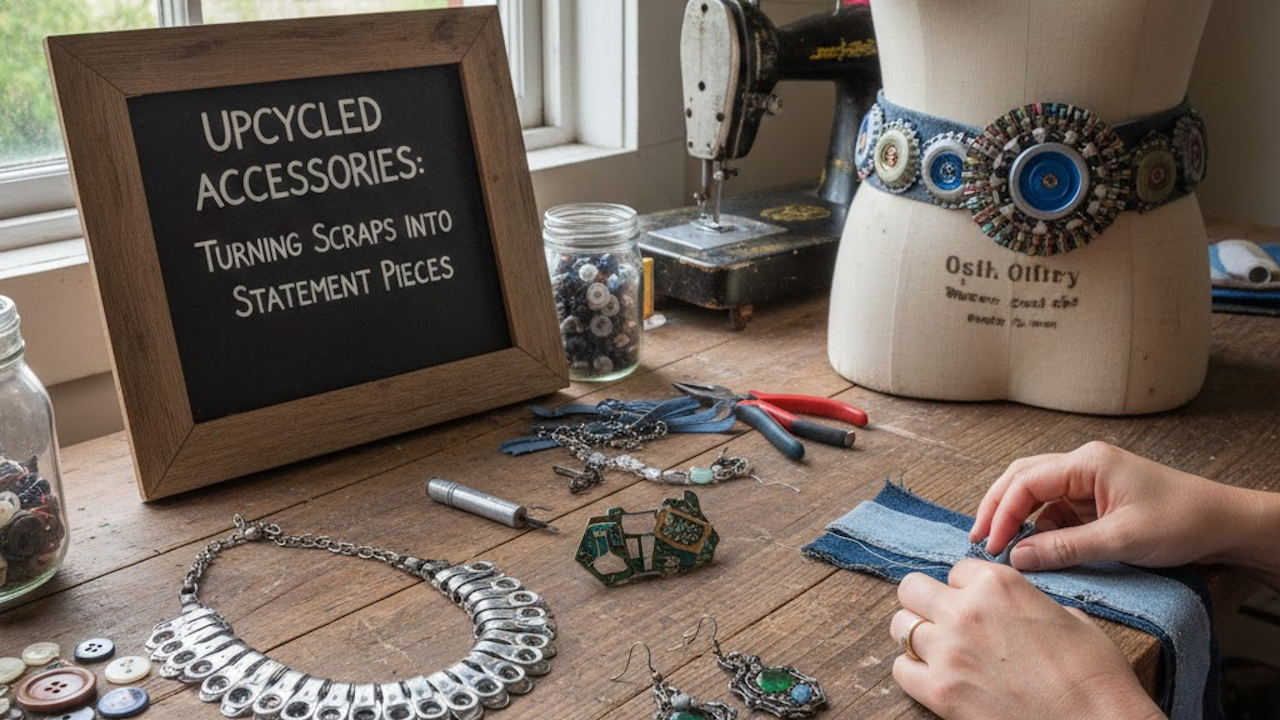
Introduction to Upcycling
Upcycling represents a transformative approach to sustainability by turning unwanted or discarded materials into new, high-quality products. Unlike recycling, which typically breaks down materials to their base components before remaking them into new items, upcycling enhances the value of materials without the need for extensive processing. This process not only preserves energy but also minimizes waste, providing a more environmentally friendly alternative in various industries, particularly in fashion and accessories.
The fashion industry faces significant scrutiny regarding its environmental impact, contributing to pollution and resource depletion. As consumers become more conscious of sustainability, upcycling has emerged as a prominent solution. By breathing new life into used textiles, leather scraps, and metal components, designers craft unique accessories that blend creativity with eco-friendliness. This trend encourages a culture of mindful consumption, highlighting the importance of rethinking traditional product lifecycles.
The growing popularity of upcycled accessories signifies a shift towards more sustainable practices in the fashion industry. By embracing upcycling, both consumers and designers contribute to a reduction in landfill waste while promoting individual expression. Each upcycled item often tells a story, showcasing the potential to create something beautiful from what might otherwise be considered trash. As this movement gains momentum, the intersection of sustainability and style continues to evolve, inspiring countless individuals to think creatively about the materials they use.
Understanding the core principles of upcycling is crucial for anyone interested in sustainable fashion. As we delve deeper into the art of upcycled accessories, we will explore the myriad ways in which creative minds are transforming remnants into statement pieces, solidifying the practice as a viable option in contemporary accessory design.
Creative Ideas for Upcycled Accessories
As environmental awareness increases, the trend of upcycling has gained significant traction. Individuals looking to transform discarded materials into fashionable assets can find inspiration in a variety of creative ideas for upcycled accessories. One popular option is crafting bags from old jeans. This method not only provides a durable and stylish alternative but also celebrates the unique textures and colors of denim. By cutting and sewing together various pieces, individuals can create bespoke bags that reflect their personal style while simultaneously reducing textile waste.
Another innovative idea involves designing jewelry from vintage buttons. These often-overlooked treasures can be repurposed into striking necklaces, bracelets, or earrings. By using an assortment of shapes, colors, and sizes, crafters can produce pieces that are not only unique but also carry a story. Adding charms or combining buttons with other materials such as wire or leather enhances the visual appeal, creating diverse options for every taste.
Belt-making from repurposed leather is yet another exemplary upcycling project. With an array of discarded leather goods available, such as old jackets or purses, there are ample opportunities to cut and reshape these materials into fashion-forward belts. Incorporating different textures or layering pieces can add depth to the design, providing a versatile accessory that complements any outfit.
In summary, the possibilities for creating upcycled accessories are vast and varied. By embracing creativity and utilizing available materials, individuals can develop unique pieces that not only stand out but also promote sustainability. Whether it’s transforming worn denim into handbags, breathing new life into vintage buttons as jewelry, or crafting belts from repurposed leather, each project offers a chance to merge fashion with eco-conscious choices.
How to Get Started with Upcycling
Embarking on your upcycling journey can be an exciting and fulfilling endeavor. To successfully create upcycled accessories, the first step is sourcing materials. Look around your home for items that are no longer in use, such as old clothing, unused accessories, or household items that can be reimagined. Thrift stores and flea markets also offer a treasure trove of materials that can be transformed into unique pieces. Additionally, connecting with local community groups focused on recycling may open up opportunities to acquire materials in bulk or participate in swaps.
Having the right tools is essential for any upcycling project. Basic tools like scissors, needle and thread, glue, and pliers can be invaluable. Depending on the materials you choose, a sewing machine or specialized tools may be beneficial for more intricate designs. For example, leather pieces require specific sewing techniques or equipment that differ from fabric or plastic items. Ensuring that you have a functional workspace where you can comfortably create is also essential. This will help foster your creativity and keep your materials organized.
As you begin to explore upcycling techniques, start with simple projects that match your skill level. Tutorials available online can provide step-by-step guidance through the process. Websites, blogs, and video platforms have a plethora of content dedicated to upcycling. Furthermore, seeking inspiration from established communities can help you stay motivated and expand your skill set. Engage in local workshops or online forums where enthusiasts share their experiences and ideas. Social media platforms are also excellent spaces for sharing your creations and learning from others, building a sense of camaraderie within the upcycling community.
The Future of Fashion: Embracing Upcycled Accessories
The fashion industry is currently undergoing a significant transformation as it shifts towards sustainability and the embrace of upcycled accessories. This emerging movement reflects a growing awareness of the environmental impact of fast fashion and the desire among consumers for more responsible choices. Prominent designers and brands are now at the forefront of this trend, focusing on innovative ways to repurpose materials and create stylish, unique pieces that tell a story.
Notable figures in the upcycling movement include brands such as Reformation, which incorporates deadstock fabrics into their collections, and EcoAlf, which produces accessories made from recycled plastic bottles. These labels exemplify how fashion can maintain its aesthetic while prioritizing sustainability. Additionally, many independent designers are making strides in this realm, crafting bespoke items from discarded materials that highlight creativity and individuality.
Consumer attitudes are also changing, with a noticeable increase in demand for upcycled products. Modern shoppers are seeking out items that not only serve a practical purpose but also align with their values. The unique character of upcycled accessories allows individuals to express their personality while making a conscientious fashion choice. As more people recognize the benefits of reducing waste and supporting sustainable practices, the popularity of upcycled fashion is expected to grow.
Incorporating upcycled accessories into one’s wardrobe is a simple yet effective way to champion sustainability. By choosing these distinctive pieces, individuals can contribute to a more environmentally responsible fashion landscape. The call to action is clear: embrace the artistry of upcycled accessories, and in doing so, support not only the planet but also a more innovative and ethical approach to fashion.