

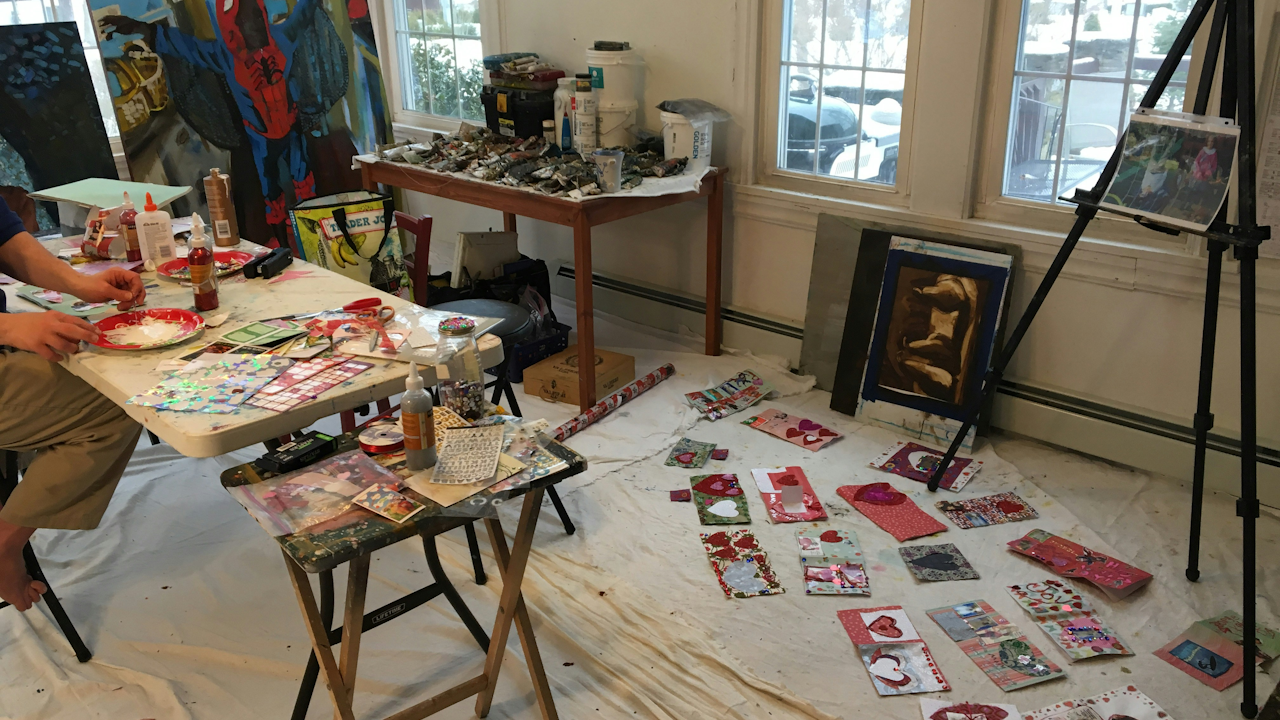
The Concept of Upcycling: Why Trash is Treasure
Upcycling has emerged as a transformative concept in the realm of art and creative studios, redefining the very notion of waste. It refers to the practice of taking discarded materials and repurposing them into functional and aesthetically appealing pieces. Rather than succumbing to the idea that once an object is labeled as trash it has lost its value, artists and creators are now viewing these materials as untapped potential waiting to be unlocked. This shift in perspective not only fosters creativity but also encourages a more sustainable approach to art-making.
The significance of upcycling extends beyond mere functionality or artistic expression; it carries profound environmental implications. By transforming waste into valuable artworks, artists contribute to the reduction of landfill contributions, thereby alleviating the strain on waste management systems. Upcycling minimizes the carbon footprint associated with producing new materials, as it often requires far less energy compared to manufacturing processes. In this way, artists play a crucial role in advocating for environmental stewardship, weaving ecological responsibility into the fabric of their creative practices.
Numerous artists and studios have successfully embraced upcycling principles, demonstrating that beauty and functionality can arise from the most unexpected sources. For instance, creators have utilized discarded plastics to construct intricate sculptures or transformed old furniture into contemporary masterpieces. These innovative practices highlight the creative processes behind upcycling, allowing artists to experiment with form, texture, and color, while simultaneously addressing pressing environmental concerns. This melding of aesthetic appeal and ecological awareness poses significant questions about consumerism and waste in today’s society.
Through the lens of upcycling, what was once viewed as trash is now treasured, captivating audiences and inspiring a new generation of artists to consider the impact of their materials. The art of repurposing not only challenges conventional norms but also harnesses the power of creativity to foster a sustainable future.
Creative Techniques for Repurposing Materials
In modern studios, artists increasingly embrace the concept of repurposing materials as a sustainable practice that breathes new life into discarded items. Various techniques serve as the foundation for innovative repurposing methods, allowing creators to transform the ordinary into extraordinary works of art. Among these techniques, collage, assemblage, and mixed media stand out as particularly effective ways to utilize materials that might otherwise be overlooked.
Collage involves assembling various materials, such as paper scraps, fabric remnants, and even photographs, to create a cohesive piece. This technique encourages artists to experiment with texture and color, which can result in visually engaging artworks that tell a story. Similarly, assemblage adds three-dimensionality to the mix by incorporating found objects and mixed materials. Artists can use items like old electronics, broken jewelry, or plastic bottles, constructing intricate sculptures that challenge traditional artistic boundaries.
Mixed media, on the other hand, combines techniques and materials in a single artwork, promoting versatility and creative expression. Through this method, artists can layer paints over collaged substrates or integrate natural elements like stones and wood. This approach not only supports artistic innovation but also enhances environmental consciousness by minimizing waste.
For artists interested in venturing into repurposing, certain tools and resources can facilitate the process. Basic supplies such as scissors, adhesive, and paint are essential, while more specialized tools like cutting machines or sewing kits can expand creative possibilities. Local workshops and online tutorials provide invaluable guidance, featuring step-by-step instructions tailored for beginners.
Overall, the exploration of repurposing techniques not only nurtures creativity but also encourages sustainable practices in an ever-evolving art landscape. The transformative power of seemingly useless materials inspires artists to innovate, paving the way for a more environmentally responsible art community.
Case Studies: Successful Studios Leading the Way
As the movement of turning trash into treasure gains momentum, several studios have emerged as leaders in this innovative field. These studios exemplify the art of repurposing by transforming discarded materials into impactful works of art. Each case study offers a unique perspective on the journey of these studios, highlighting their approach to utilizing recycled materials, the challenges they encountered, and the significant contributions they have made to the art community.
One notable example is the Reclaimed Art Studio, which focuses on creating stunning sculptures out of materials that would otherwise end up in landfills. The owner, Jane Doe, emphasizes the importance of sustainability in her work. In her latest installation, “Echoes of Nature,” she combines discarded metal and plastic found along local beaches to create breathtaking ocean-themed sculptures. This project not only showcases her artistic vision but also stimulates conversations about pollution and environmental responsibility.
Another inspiring studio is Upcycle Collective, where a group of artists collaborates to teach others the art of repurposing. They recently held a workshop that enabled participants to create their own functional art pieces from old furniture and textiles. The studio faced challenges in sourcing suitable materials, as well as balancing the artistic vision with functional design. However, the impact of their initiatives is profound, fostering a community centered around creativity and sustainability.
In conversations with studio owners and artists, common motivations emerge: a desire to reduce waste, promote awareness of environmental issues, and inspire others to find beauty in the overlooked. These studios are not only transforming materials but also reshaping perceptions about what can be created from waste. As we explore their innovations and strategies, we witness the powerful intersection of art and sustainability, paving the way for a brighter, more responsible future in the creative world.
How to Get Involved: Initiatives and Community Projects
As the movement of repurposing materials gains momentum, individuals and communities are presented with numerous opportunities to engage in sustainable art practices. By participating in various initiatives and community projects, one can not only transform waste into beautiful creations but also contribute to a larger conversation about environmental sustainability. Numerous local and online resources can guide interested individuals on how to get involved.
Many cities host workshops that focus on the concept of upcycling, where participants are encouraged to bring in materials that would otherwise be discarded. These sessions often provide tools and guidance to transform everyday items into functional or artistic pieces. Local art studios, community centers, or even schools frequently organize such workshops. Engaging in these hands-on activities is an excellent way to develop skills while fostering creativity.
In addition to workshops, various art festivals and exhibitions dedicate space for upcycling projects. These events celebrate the innovative uses of discarded materials and serve as a platform for artists to showcase their work. Participating in or attending these events can inspire individuals to adopt similar practices in their homes and communities.
Online communities and social media platforms also offer a wealth of resources for those interested in environmental art activism. Many organizations provide challenges for individuals to create art from waste materials, fostering a sense of community while encouraging sustainable practices. Utilizing hashtags related to upcycling can connect like-minded individuals and lead to collaborative ideas and projects.
Education plays a crucial role in the repurposing movement. Schools and local organizations are increasingly incorporating lessons on sustainability and waste reduction into their curricula, promoting a deeper understanding of our consumption habits. By fostering awareness and encouraging creative thinking, we can reshape perceptions about waste and inspire rampant creativity in transforming trash into treasures.